What Defines a Dedicated Bass Fishing Platform
A dedicated bass boat is engineered around one distinct mission: getting an angler to productive fishing spots quickly and providing an ultra-stable, clutter-free casting deck once there. Unlike multi-species runabouts, a modern bass rig sits remarkably low in the water. This low-profile profile minimizes wind resistance while drifting across open flats, allows effortless underhand pitching around docks, and keeps the hull responsive to foot-controlled or wireless trolling motors.
The deck layout is organized to streamline competitive fishing. Extended front casting decks offer ample room for two anglers to cast simultaneously without crossing lines, while recessed pedal wells and flush-mounted electronics keep trip hazards off the deck. Beneath the non-skid marine carpeting or padded foam flooring, cavernous lockable rod lockers keep eight-foot baitcasting rods organized in individual storage tubes, preventing tangles during fast runs across chop.
Stern sections feature high-capacity divided livewells engineered with timed aeration, recirculating pumps, and oxygenation systems designed to sustain tournament catches until weigh-in. When shopping across new boat dealers, you will notice that beam width plays an outsized role in stability. Modern designs frequently push past ninety inches wide, creating a rock-solid platform where shifting weight from port to starboard causes minimal listing.
Fiberglass Versus Aluminum Hulls and Performance Dynamics
Choosing between an aluminum and a fiberglass hull is the first fork in the road for any bass angler. Fiberglass boats are built through intricate mold layering, allowing naval architects to sculpt complex running surfaces with distinct strakes, reverse chines, and stepped pads. These contours lift the hull out of the water at speed, reducing drag, dampening wave impact, and providing higher top-end velocities along with a heavier, softer ride in rough reservoir water.
Aluminum rigs utilize either welded or riveted marine-grade alloy plates, producing a significantly lighter vessel. This reduced mass translates directly into practical advantages off the water: smaller tow vehicles can easily haul an aluminum rig, launching on primitive unimproved ramps is straightforward, and the hull drafts far less water. Anglers who frequently fish shallow backwaters, timber-filled impoundments, or rocky river shoals often gravitate toward aluminum because the metal can absorb scrapes without structural delamination.
The trade-off lies in weight distribution and high-wind behavior. A lighter aluminum hull gets blown off line much faster in sustained winds, demanding more battery capacity from the trolling motor to hold position on structure. Fiberglass rigs stay planted in the water column, but they require careful gelcoat maintenance, cautious navigation around submerged timber, and a heavier tow vehicle parked at the ramp.
Aluminum Workhorses and the Evolution of Tracker Rigs
For decades, welded aluminum vessels like the Tracker boats lineup have served as the benchmark entry point for grassroots bass fishing. Modern aluminum manufacturing has advanced far beyond the thin-gauge riveted skiffs of the past. Today's all-welded hulls utilize thick marine-grade 5052 alloy sheets joined by robotic welding along longitudinal stringers and box-beam transoms, creating a single rigid unit that resists torsional flex.
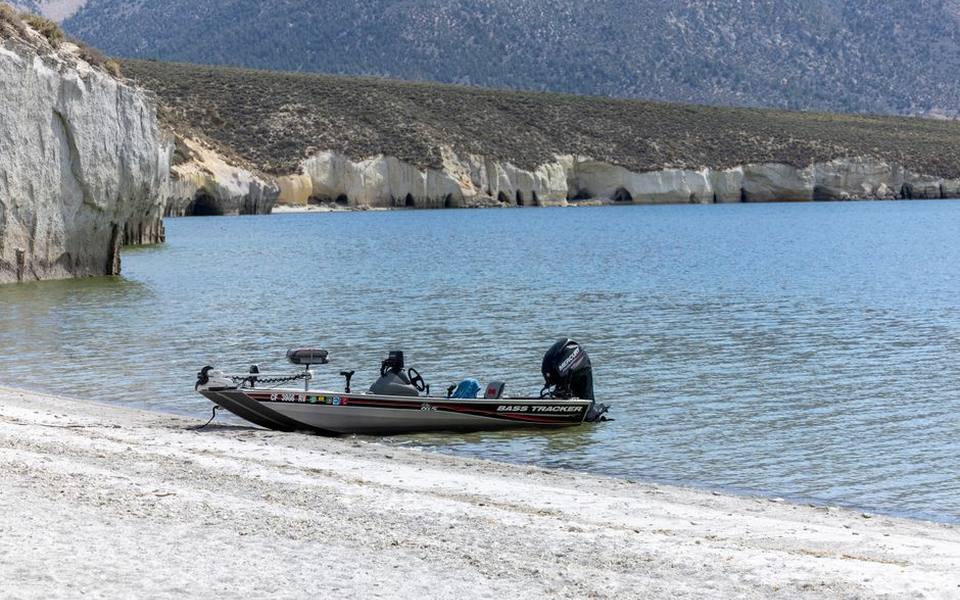
Within the bass tracker segment, hull geometries generally split between modified-V configurations and pad-bottom performance designs. Modified-V designs prioritize a soft entry through chop while transitioning to a flatter bottom aft for rapid planing and stability at rest. These hulls typically pair well with mid-range outboards between 50 and 150 horsepower, keeping fuel consumption low and overall package pricing accessible for weekend hobbyists.
Interior layouts in these aluminum platforms mimic fiberglass tournament layouts, incorporating full-width forward decks, dry storage compartments, and port rod lockers. While earlier aluminum models faced criticism for noisy deck slap, contemporary builds incorporate poured polyurethane flotation foam along the hull sides, which deadens water noise and enhances thermal insulation inside the storage boxes.
Fiberglass Tour Class Rigs: The Engineering of Ranger and Nitro
In the realm of high-performance fiberglass tournament boats, legendary builders like Ranger set the structural standard decades ago by pioneering upright and level foam flotation. Ranger bass boats are renowned for their proprietary pultruded fiberglass transoms, woven roving fiberglass laminates, and fully integrated stringer grids. This construction methodology creates a solid, vibration-free ride that absorbs brutal chop without transferring structural chatter into the angler's knees.
Nitro has forged a massive presence in the tournament sphere by refining high-efficiency pad hulls that maximize speed per horsepower. Their hulls utilize rapid-planing systems that drop the bow instantly upon throttle engagement, giving the pilot clear forward visibility during high-acceleration launches. Nitro models emphasize wide, broad-shouldered bows that stay stable when multiple adult anglers lean over the gunwale to land fish.
The running dynamics of these fiberglass platforms depend on running "on the pad"—a flat or slightly veed running surface at the trailing edge of the keel. As the boat reaches cruising speed, hydrodynamic lift elevates the forward hull entirely out of the water, leaving only the rear pad and lower unit submerged. This minimizes friction, enabling speeds often exceeding sixty or seventy miles per hour in controlled tournament conditions.
Custom Pedigree and the Bass Cat Philosophy
Operating with a distinct manufacturing approach, Bass Cat boats represents an independent, detail-driven corner of the freshwater market. While large marine conglomerates focus on high-volume production, Bass Cat utilizes a vacuum-molding lamination technique that draws resin evenly through fiberglass fabrics. This process ensures an optimal resin-to-glass ratio, preventing air voids and maximizing tensile strength without adding dead weight.
The deck layouts on a Bass Cat boat frequently deviate from cookie-cutter designs to solve specific mechanical issues. Their engineers push the driver and passenger consoles slightly farther forward or design narrower front decks to optimize hull balance at high trim angles. Unique modular storage designs, deep-recessed foot controls, and clean under-gunwale cable routing cater directly to long-distance anglers who run in demanding conditions.
Because these rigs are built in lower annual volumes, they enjoy a dedicated enthusiast community often highlighted on owner networks like bass boat central and regional tournament trails. Resale values for well-maintained hulls in this boutique category often hold firm, supported by transferable lifetime structural hull warranties and enduring brand loyalty among serious freshwater sportsmen.
Bass Boats Compared to Inshore Bay Boats
Anglers evaluating freshwater platforms often cross-shop a dedicated bass rig against an inshore bay boat, especially if they live near coastal estuaries or massive lakes like Okeechobee or Erie. A bay boat shares the low-profile forward and aft casting decks of a bass hull, but incorporates higher freeboard, a sharper bow entry, and self-bailing cockpit scuppers designed to drain wash-over water rapidly out the stern.
While a specialized bass boat handles 1-to-2-foot freshwater chop with blistering acceleration, its low gunwales can make open-water navigation treacherous when wind generates 3-to-4-foot rollers. A bay boat safely bridges that gap with deeper hull deadrise, allowing navigation through coastal inlets and rough open water where a bass boat bow would take green water over the nose.
However, that higher freeboard comes at a distinct cost for shallow-water bass specialists. Bay boats catch significantly more crosswind, making precise boat positioning along weed edges and docks harder to maintain. Furthermore, saltwater-ready fiberglass consoles and gelcoats lack the deep carpeted comfort, recessed tool caddies, and specialized tackle tray organizers that make a freshwater bass machine so efficient.
Outboard Horsepower, Hole Shots, and Transom Setup
Engine pairing on a bass boat is not just about absolute top-end speed; it governs how quickly the hull breaks plane in shallow pockets, known as the hole shot. Tournament boats commonly carry outboards rated between 150 and 250 horsepower. Modern four-stroke V6 and V8 marine engines deliver massive low-end displacement, replacing older two-stroke designs with smooth, low-smoke torque and significantly improved fuel economy across the RPM band.
The link between the outboard and the hull's transom is typically a mechanical or hydraulic jack plate. A jack plate allows the driver to adjust the vertical engine height independently of the trim angle. Elevating the engine while idling permits navigation through inches of skinny water, while dialing in vertical height on plane optimizes water intake pressure and propeller slip at full throttle.
Dialing in a bass rig requires meticulous propeller selection. Three-blade stainless steel props generally deliver maximum top-end speed by reducing drag, while four-blade propellers provide superior stern lift, tighter mid-range cornering, and rapid hole shot when carrying heavy fuel loads and full livewells. When questions arise regarding engine mounting heights, visiting a certified marine service department ensures proper motor positioning and safe hydraulic steering bleed procedures.
Rigging the Cockpit, Sonar Electronics, and Trolling Motors
The technological landscape of bass boats has expanded rapidly, shifting from simple flasher depth-finders to network-integrated marine electronics suites. Modern helm consoles and bow stations routinely house multi-display arrays supporting side-scanning, down-imaging, and forward-facing live sonar transducers. Transducer placement is critical: brackets must be secured cleanly to the trolling motor shaft or specialized independent poles to eliminate electrical interference.
Trolling motor technology has advanced in parallel. Brushless electric motors operating on 24-volt or 36-volt lithium battery banks deliver immense thrust while drawing less current than legacy brushed units. Features like GPS anchor lock hold the boat within a few feet of an offshore waypoint even against strong currents and howling winds, freeing the angler to manage tackle rather than fight foot pedals.
Managing the high electrical demand of these accessories requires clean, heavy-gauge copper marine wiring isolated from the engine's starter circuit. Tournament-grade installations incorporate dedicated house batteries, master cutoff switches, and multi-bank onboard smart chargers. Without a well-planned battery layout, modern sonar suites can drain standard cranking batteries within a single afternoon on the water.
Inspecting Used Bass Rigs and Assessing Hull Integrity
When browsing secondary marketplaces or evaluating pre-owned hulls at used boat dealers, verifying the structural condition of the transom and stringers is the single most important task. Older fiberglass hulls that incorporated wood cores can suffer rot if previous owners failed to seal through-hull bolt holes properly. Tilting the outboard upward and applying steady downward pressure on the lower unit reveals transom weakness; any visible flex or cracking around the motor bracket signals internal decay.
Gelcoat inspection requires differentiating between cosmetic spider webbing and deep structural fractures. Superficial crazing often occurs in tight corners due to natural gelcoat shrinkage, but linear cracks tracking along the keel, chines, or engine splashwell typically indicate heavy bottom impacts or excessive hull flex. On aluminum models, inspect the keel welds and rivet lines for signs of weeping seams, fatigue cracks, or missing fasteners.
Always request a comprehensive computer diagnostic printout for the outboard. An engine scan provides exact operating hours broken down by RPM brackets, revealing whether the powerhead spent its life idling across timber or screaming against the rev limiter. Concurrently, inspect the custom bunk trailer: torsion axles, disc brakes, bunk carpet rot, and structural frame rust can easily add unexpected repair bills to a bargain purchase.
Navigating Marine Showrooms and Finalizing the Purchase
Stepping onto a dealer lot to compare current boats for sale requires looking beyond glossy metal-flake finishes and analyzing standard package inclusions. Factory packages often bundle a baseline trolling motor, low-tier fishfinder, and standard trailer to keep promotional pricing down. Upgrading to tournament-ready electronics, dual power-pole shallow water anchors, and tandem-axle trailers typically alters the final invoice significantly.
Financing a specialized bass rig differs somewhat from general auto loans due to longer potential amortization windows. Exploring structured marine financing options through certified marine lenders can yield terms ranging typically from 10 to 20 years depending on loan size, credit profile, and vessel age. Shorter terms save considerable interest, but extended terms help preserve monthly cash flow for seasonal tournament entry fees and tackle expenses.
Before taking delivery, conduct a thorough on-water sea trial. Confirm that the aerator timers cycle properly, verify bilge pump operation, observe hole shot times with full livewells, and ensure the outboard reaches its designated wide-open throttle RPM range without vibration. A disciplined pre-delivery inspection ensures your first morning on the water is focused entirely on catching fish rather than troubleshooting hardware.
Published 2026-09-20 · reviewed with each rebuild, last September 2026.
Find boat dealers near you
The directory lists 7,311 boat dealers by state and city — pick your state or use the “Near me” button in the header.
More guides
-
 Storage
Boat Storage and Slip Costs: Dry Storage, Mooring, and Marina Rates Guide
-
 Money
MoneyHow Much Does a Boat Engine Cost? Complete Marine Motor Pricing Guide
-
 Buying
How Much Does a Pontoon Boat Cost to Buy or Rent?
-
 Service
Cosmetic Maintenance, Surface Repairs, and Deck Restorations: A Practical Marine Guide
-
 Owning
Marine Electrical Systems, Critical Hardware, and Modern Repower Planning
-
 Service
Essential Boat Mechanical Repairs: Managing Cables, Pumps, and Routine Service
-
 Owning
Understanding Your Boat's Plumbing, Fuel Systems, and Ownership Costs
-
 Owning
How to Handle Boat Registration, Title Transfers, and USCG Documentation
-
 Owning
Complete Off-Season Preparation: Storage Steps, Costs, and Protective Canvas
-
 Safety
The Essential Boating Safety Equipment Checklist, Education Guide, and Ownership Budgeting
-
 Money
MoneyUnderstanding Marine Loans: Rates, Terms, and Approval
-
 Buying
Center Console vs. Bowrider Boats: Layouts, Costs, and Finding the Right Fit
-
 Safety
How to Tow a Boat Safely and Maintain Trailer Wheel Bearings
-
 Buying
What Is a Marine Survey and How Much Does It Cost?
-
Buying
Yacht Buying, Chartering, and Brokerage Guide
-
Owning
Boat Trailers, Launching, and Ramp Etiquette Guide
-
Buying
Complete Used Boat Buying Guide: Valuations, Inspection, and Bill of Sale
-
Buying
The Complete Pontoon and Tritoon Guide: Layouts, Brands, and Ownership
-
Buying
Jon Boats and Small Aluminum Fishing Boats: Complete Buyer and Build Guide
-
Buying
Outboard Motors Guide: Yamaha, Suzuki, Mercury Specs and Used Buying
-
Money
Navigating Boat Loans and Marine Financing: Rates, Loan Terms, and Monthly Payment Realities
-
Owning
Boat Clubs vs. Rentals and Charters: Which Waterway Option Fits You?
-
Service
The Complete Guide to Boat Maintenance, Winter Storage, and Mechanical Repairs
-
 Safety
Boating Safety Courses, Licenses, and Certification Guide
-
Buying
Catamarans Guide: Sailing, Power, Hobie, and Buying Options
-
Owning
Marine Batteries Buyer's Guide: Deep Cycle, Lithium, AGM, and Dual Purpose
-
Buying
Electric Trolling Motors: Complete Guide for Kayaks, Pontoons, and Fishing Boats
-
 Owning
Complete Boat Rental Guide: Destinations, Types, and Rates
-
 Service
Boat Fuel Systems and Injector Care: Tanks, Filters, and Cleaning
-
 Buying
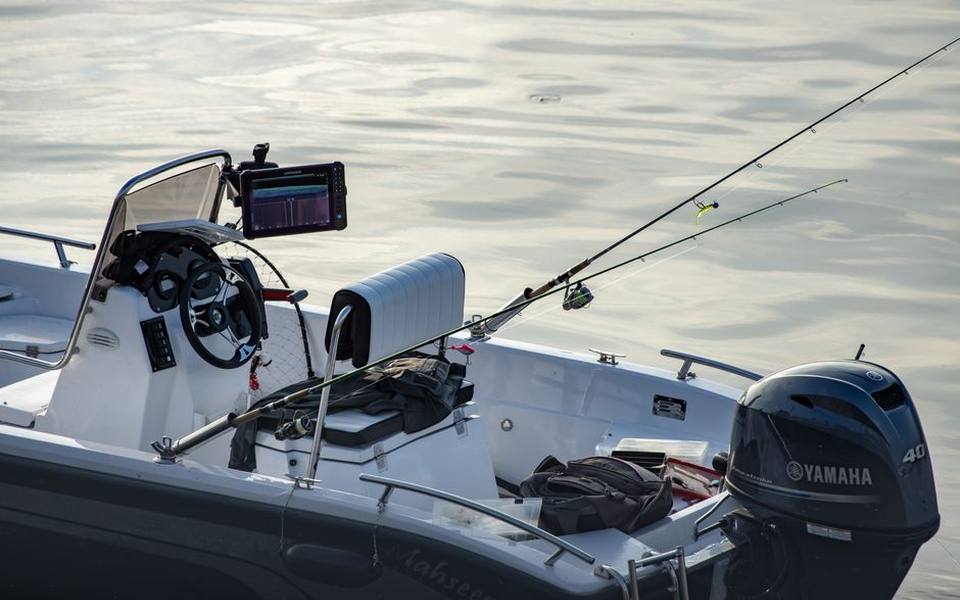
Center Console Boats: Types, Construction, and Buying Guide
-
 Owning
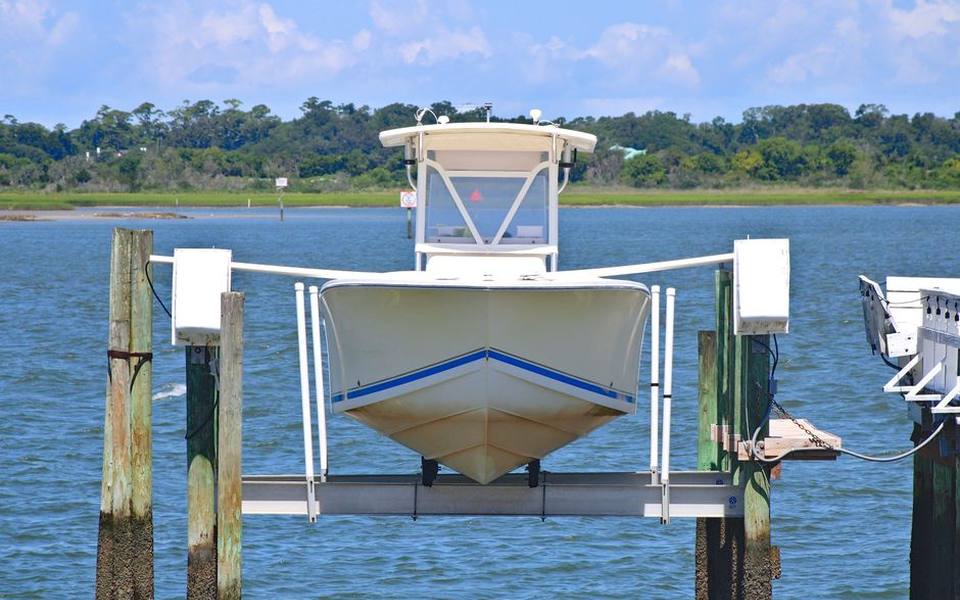
Boat Docks, Lifts, and Flotation Systems: Complete Waterfront Guide
-
 Buying
A Complete Guide to Fishing Boats, Sonar Electronics, and Rod Rigging Systems
-
 Owning
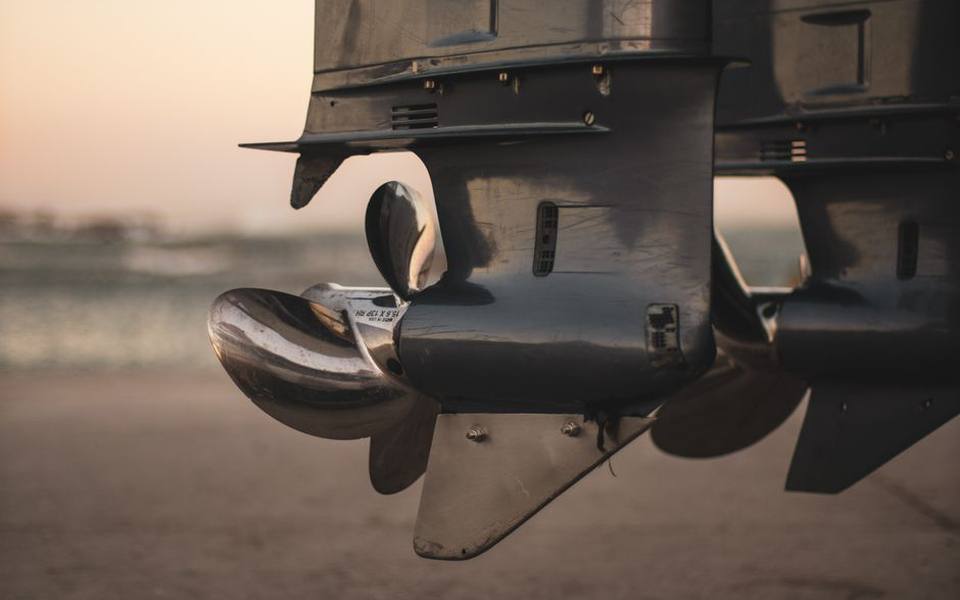
Outboard Motors, Jack Plates, and Marine Propellers: The Complete Rigging Guide
-
 Buying
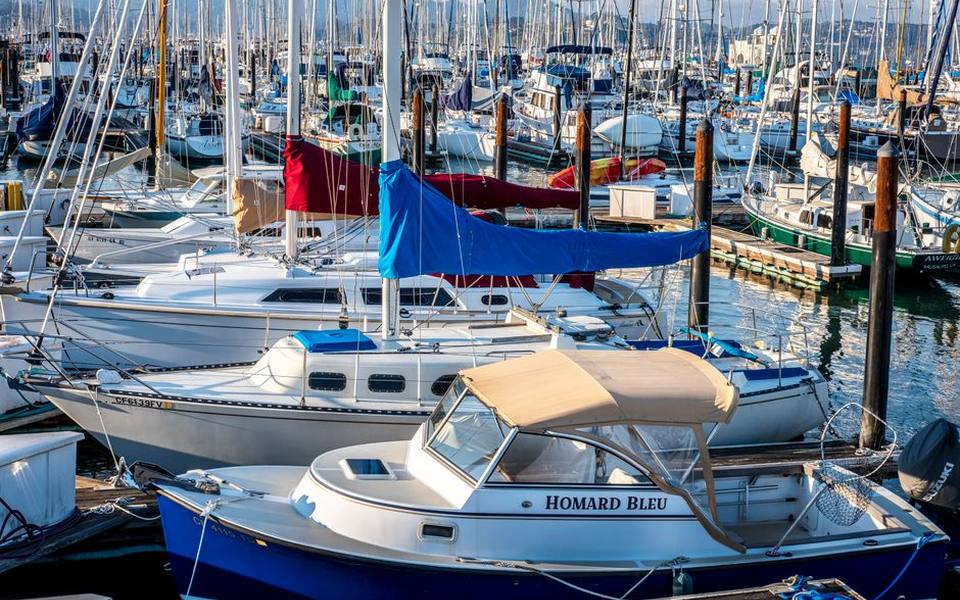
A Complete Guide to Boat Brands, Marine Brokers, and Finding the Right Dealer
-
 Money
MoneyBoat Insurance, Financing, and Title History Lookup: Complete Guide
-
 Buying
Small Boats, Kayaks, Canoes, and Inflatable Craft: Complete Buyer and Rigging Guide
-
 Owning
Marine Canvas, Bimini Tops, and Boat Covers: Selection and Care Guide
-
 Buying
Complete Guide to Boat Shows: Dates, Tickets, and Top US Events
-
 Owning
Boat Anatomy 101: Hull Parts, Steering Wheels, and Terminology