How Marine Financing Works and Who Qualifies
Securing a marine loan functions similarly to financing an automobile or a recreational vehicle, with the boat itself serving as collateral on a secured installment contract. When you apply, specialty marine lenders evaluate your liquid assets, debt-to-income ratio, credit history, and overall net worth. The boat's age, manufacturer, and mechanical condition also play decisive roles, as lenders want to ensure the underlying asset holds sufficient resale value throughout the duration of the repayment schedule.
You can finance almost any type of recreational vessel, whether you are shopping for a basic aluminum fishing skiff, a pontoon, a family bowrider, or an offshore cruiser. Traditional commercial banks, credit unions, and specialized marine lending companies all write boat loans, though their underwriting criteria can vary noticeably. Most marine specialists prefer boats that are under ten to fifteen years old, although financing vintage or classic vessels remains possible under selective programs with thorough professional marine surveys.
For most prospective buyers, qualifying for standard tier-one interest rates requires a credit score typically above 700, though several lenders work with scores in the mid-600s under adjusted terms. In most cases, lenders look for a debt-to-income ratio that remains below forty to forty-five percent including the projected monthly boat note. Having stable employment, accessible emergency savings, and documented proof of income will streamline the underwriting process significantly when applying.
Navigating Interest Rates, Terms, and Down Payments
Interest rates on boat loans depend heavily on broader economic conditions, your personal creditworthiness, the borrowed amount, and the length of your chosen term. While marine rates often sit slightly above standard home mortgages due to the discretionary luxury nature of watercraft, competitive buyers often secure very reasonable fixed rates. Working through dedicated boat dealers offering marine loans and financing often gives you access to specialized national lenders who understand boat depreciation far better than local retail banks.
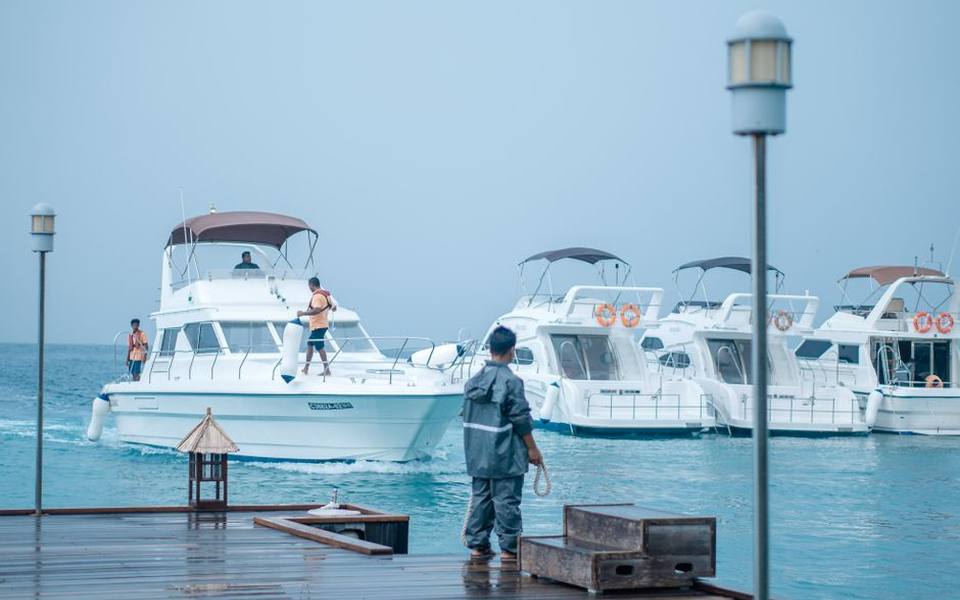
Down payment requirements typically range between ten and twenty percent of the total agreed purchase price, although zero-down promotions occasionally surface for highly qualified buyers during peak boat shows. Supplying a twenty percent down payment not only lowers your monthly obligation but also protects you from becoming underwater on your loan during the first two years of initial depreciation. Lenders also factor in sales tax, registration fees, and optional trailer packages into the financed total.
Loan terms in the marine sector are notably more flexible than auto financing. Smaller loan amounts, generally under twenty-five thousand dollars, often carry five- to seven-year repayment periods. As purchase prices climb into six figures, lenders routinely extend terms to fifteen or even twenty years to keep monthly commitments manageable. While a longer amortization term lowers your regular payment, paying attention to the total interest accumulated over the life of the loan remains vital.
Budgeting for Compact Jet Crafts and Project Hulls
Not every buyer pursues a full-sized family cruiser; compact jet-propelled runabouts and DIY river hulls have surged in popularity among weekend hobbyists. Sizing and pricing for mini jet boats vary widely depending on whether you purchase a turnkey production model, a welded aluminum hull kit, or a customized craft fitted with an existing watercraft engine. Turnkey production mini jet models typically range from fifteen thousand to thirty-five thousand dollars depending on engine horsepower and aluminum hull gauge.
Financing these compact adrenaline machines requires understanding how underwriters classify unique or modified watercraft. Standard factory-manufactured jet models carry traditional vehicle identification numbers and published valuation book values, making them relatively straightforward to finance through regular power sports lenders. However, custom welded kit boats or backyard engine transplants rarely qualify for traditional marine paper, meaning buyers usually rely on unsecured personal loans or cash reserves to fund their builds.
When browsing broad selections of new and pre-owned models at local boats for sale in stock, ask sales representatives how distinct hull types affect finance availability. Having a manufacturer origin certificate and clear title paperwork makes closing a deal seamless. Whether you want an agile mini jet for shallow gravel bars or a standard lake runabout, confirming that the lender accepts the hull identification standard prevents unexpected underwriting hurdles at closing.
Financing Premium Wake and Surf Vessels
Watersports craft built specifically for wakeboarding and wakesurfing occupy the premium tier of modern recreational boating. Leading tournament towboats, such as late-model MasterCraft surf boats, feature heavy internal ballast tanks, computerized surf tabs, digital helm controls, and high-displacement inboard V8 engines. Because of this specialized engineering, brand-new flagship models frequently carry retail prices reaching well into the two hundred thousand dollar range, while well-maintained five-year-old examples typically command eighty to one hundred thirty thousand dollars.
Financing an expensive wakesurfing boat almost always involves long-term installment loans stretching across fifteen to twenty years. Due to strong brand equity and robust enthusiast demand, lenders view top-tier towboat manufacturers favorably, frequently granting attractive extended terms to buyers with proven credit histories. However, underwriting requirements for six-figure loans typically mandate tax return verification, liquid asset statements, and comprehensive hull insurance policies naming the lender as the primary loss payee.
Prospective wake boat buyers must also account for specialized operational expenses alongside the monthly note. Inboard surf engines work hard under high displacement loads, consuming substantial amounts of premium fuel during an afternoon of pulling riders. Furthermore, complex ballast pumps, underwater running gear, and digital touchscreens require diligent seasonal maintenance, making it sensible to keep an ongoing maintenance reserve fund active alongside your monthly loan repayment.
Pre-Owned Personal Watercraft Values and Terms
Personal watercraft offer one of the most accessible entry points to motorized boating, whether you want an agile solo runabout or a three-seat machine capable of pulling towables. The market price for a pre-owned jet ski typically falls between three thousand and nine thousand dollars for reliable four-stroke models with moderate operating hours. Late-model, high-output supercharged machines with minimal hours can climb higher, often fetching eleven to fifteen thousand dollars on the secondary market.
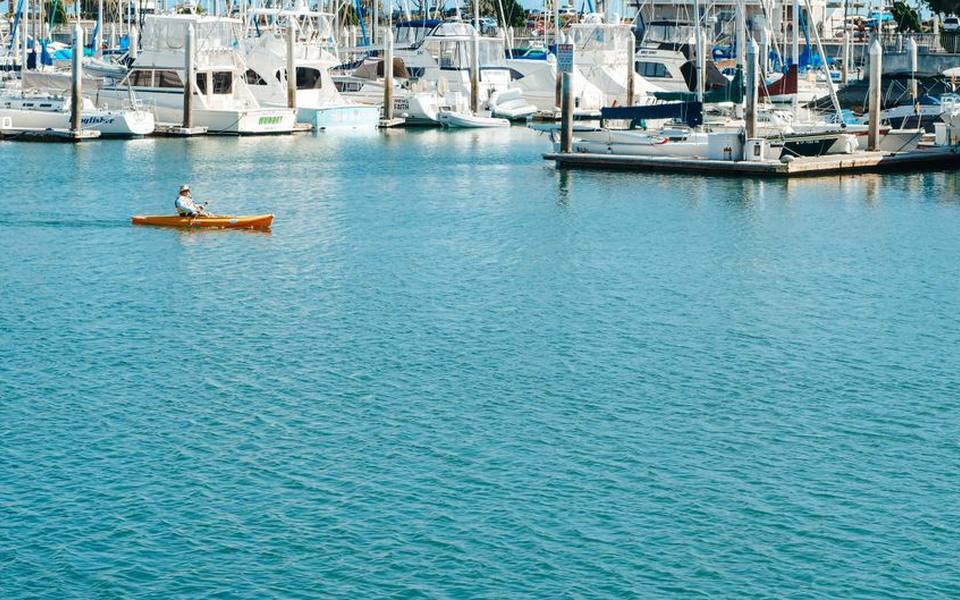
Financing a used personal watercraft can be handled through dealer powersports financing, local credit union loans, or simple personal signature lines of credit. Many established used boat dealers maintain relationships with specialty lenders willing to finance machines that are up to eight or ten years old. However, because personal watercraft experience spirited riding and occasional novice misuse, securing an independent pre-purchase mechanical inspection and compression test is critical before signing any financial paperwork.
Keep in mind that lenders will evaluate the overall package price, including the required road trailer and accessory gear. Trailers require separate registration and titling in most states, which introduces modest initial fees. Factoring in proper storage, trailer tire maintenance, and riding gear alongside your financing application helps guarantee that you step into watercraft ownership with an accurate picture of your true seasonal commitment.
Planning for Routine Winterization and Shrink Wrap Costs
Responsible boat financing entails planning for ongoing seasonal preservation, particularly if you live in regions that experience below-freezing temperatures. Winterizing a marine engine typically costs between two hundred and six hundred dollars depending on engine configuration, cooling system layout, and drive type. A simple single outboard engine requires far less labor and antifreeze than a closed-cooling inboard or twin sterndrive arrangement packed with raw-water plumbing, air conditioning systems, and onboard freshwater heads.
In addition to draining water jackets and fogging cylinders, shielding the exterior from harsh winter snow loads and damaging UV rays is vital for preserving the asset's resale value. Professional shrink wrapping typically costs between fifteen and twenty-five dollars per linear foot of hull length, with added fees for towering wake towers or flybridges. While tarps might seem tempting, a professionally vented heat-shrunk cover prevents mildew buildup, repels snow drifts, and keeps rodents from nesting in marine upholstery during extended layup.
Connecting with certified technicians at a specialized winterization service facility ensures critical steps are never missed. Failing to winterize properly can crack engine blocks, rupture heat exchangers, and destroy internal water heaters, leading to thousands of dollars in mechanical repairs that standard boat insurance policies rarely cover. Factoring these predictable autumn expenses into your annual boating budget keeps your asset in prime condition year after year.
Selling a Financed Vessel and Managing Liens
When the time arrives to upgrade, downsize, or step away from the water, knowing how to sell a boat that currently holds an active marine lien is essential. If you still owe money on your marine loan, your lender maintains physical possession of the vessel's original title or holds a recorded electronic lien with the state boating agency. To complete a legitimate sale, the outstanding loan balance must be paid in full so the lender can formally release their legal interest.
The smoothest private-party sales occur when the buyer and seller conduct the transaction directly at the seller's lending institution or through an escrow company. The buyer provides payment, the lender deducts the precise payoff balance, and any remaining equity is handed directly to the seller as net proceeds. If you choose to avoid the complexities of coordinating payoffs with private buyers, partnering with established dealers accepting trade-ins and buyouts allows the dealership's finance office to handle the title clearance, loan payoff, and state paperwork seamlessly.
Before listing your boat on the open market, invest time in deep detailing, gathering engine maintenance records, and fixing small cosmetic blemishes. Clean gelcoat, spotless bilge compartments, and clear proof of timely mechanical service dramatically increase buyer confidence. Transparent communication regarding your payoff timeline and clear documentation will help you negotiate from a position of strength and finalize a mutually comfortable sale price.
Transitioning into the Marine Industry as a Broker
Boating enthusiasts who develop a keen eye for values, financing structures, and marine surveys often consider entering the professional marine trade as licensed yacht and boat brokers. Becoming a successful marine broker requires developing deep knowledge of naval architecture, marine engine systems, current market valuations, and maritime contract law. Brokers serve as trusted intermediaries, guiding buyers and sellers through listings, sea trials, mechanical surveys, escrow accounting, and closing documentation.
Licensing standards depend heavily on geographic jurisdiction. In prominent boating states like Florida and California, boat brokers must pass formal background screenings, post surety bonds, and successfully complete comprehensive state licensing examinations before representing clients. In states without formal broker licensing statutes, prospective professionals typically start by affiliating with established brokerage houses or dealerships that follow standards established by recognized industry associations.
Compensation for boat brokers is largely commission-based, typically representing a split percentage of the gross transaction value upon closing. Establishing a sustainable career demands relentless networking, active participation in local boat shows, and genuine patience during slow winter months. Successful brokers combine sharp sales acumen with uncompromised integrity, ensuring that both buyers and sellers navigate title checks, lien payoffs, and mechanical disclosures with complete peace of mind.
First-Time Skipper Essentials for Confident Handling
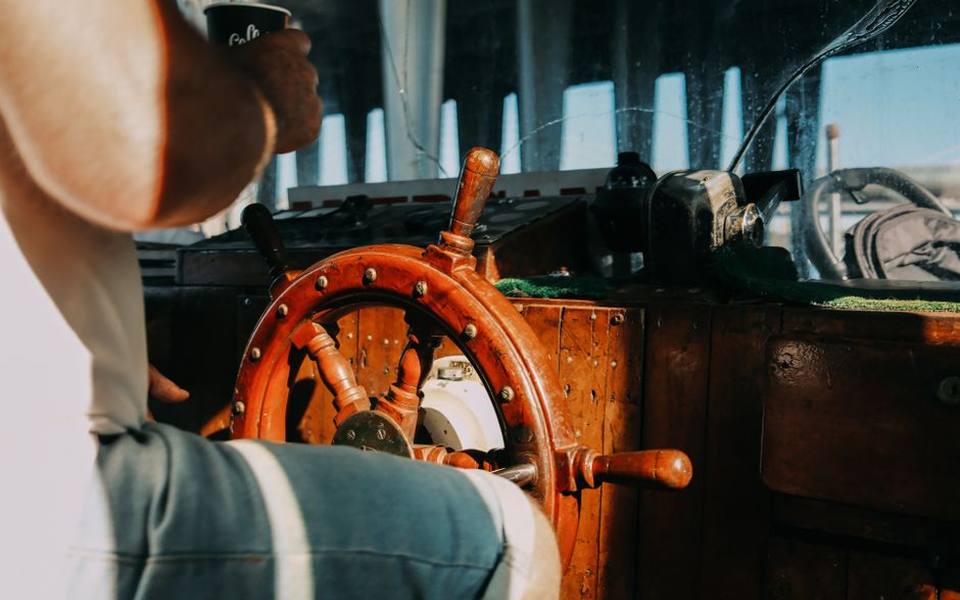
Securing your dream boat through a sensible financing package is only the opening chapter; developing safe, predictable handling skills at the helm is what makes ownership rewarding. Unlike road vehicles, boats steer from the stern rather than the front wheels and have no physical brakes. Water currents, shoreline wind shear, and propeller torque continuously influence the hull's momentum, meaning beginners should always practice slow-speed maneuvering in open water before attempting tight marina approaches.
When operating around docks, the golden rule is never approach any object faster than you are willing to hit it. Use gentle pulses of forward and reverse throttle while keeping the wheel steady, allowing the momentum of the hull to gently carry you into position. Over-throttling or over-steering represents the most common beginner error. Having your crew prepared with docking lines and fenders deployed well before reaching the slip minimizes panic and prevents costly gelcoat scratches.
Every novice boat operator should complete an approved state safe boating education course to master navigation rules, marker buoys, right-of-way hierarchies, and sound signals. Always verify that all required safety gear—including properly fitted life jackets for every passenger, working fire extinguishers, sound signaling devices, and emergency engine cut-off lanyards—is aboard and easily accessible before leaving the boat ramp or marina dock.
Building a Complete Annual Ownership Budget
A healthy marine financing strategy looks beyond the isolated monthly loan payment and accounts for the full spectrum of annual operating expenses. A practical industry benchmark suggests budgeting approximately ten percent of the vessel's fair market value each year for routine upkeep, slip rental or storage, insurance premiums, and preventive maintenance. Overlooking these predictable operational realities often creates financial frustration down the road.
Marine insurance is mandatory whenever a boat is financed, with lenders requiring full comprehensive and collision coverage alongside substantial marine liability limits. Premiums vary widely based on your prior boating experience, the vessel's horsepower, cruising territory, and whether the boat remains in hurricane-prone coastal regions. In addition, seasonal fuel consumption, trailer registration fees, haul-out expenses, and routine fluid changes represent consistent line items that need steady monthly allocation.
By matching your monthly loan repayment with realistic ownership overhead, you protect your credit standing and maximize the pleasure of watercraft ownership. Taking the time to calculate realistic numbers before signing contract papers ensures your vessel remains a source of relaxation, adventure, and lifelong memories on the water with your family and friends.
Published 2026-09-20 · reviewed with each rebuild, last September 2026.
Find boat dealers near you
The directory lists 7,311 boat dealers by state and city — pick your state or use the “Near me” button in the header.
More guides
-
 Storage
Boat Storage and Slip Costs: Dry Storage, Mooring, and Marina Rates Guide
-
 Money
MoneyHow Much Does a Boat Engine Cost? Complete Marine Motor Pricing Guide
-
 Buying
How Much Does a Pontoon Boat Cost to Buy or Rent?
-
 Service
Cosmetic Maintenance, Surface Repairs, and Deck Restorations: A Practical Marine Guide
-
 Owning
Marine Electrical Systems, Critical Hardware, and Modern Repower Planning
-
 Service
Essential Boat Mechanical Repairs: Managing Cables, Pumps, and Routine Service
-
 Owning
Understanding Your Boat's Plumbing, Fuel Systems, and Ownership Costs
-
 Owning
How to Handle Boat Registration, Title Transfers, and USCG Documentation
-
 Owning
Complete Off-Season Preparation: Storage Steps, Costs, and Protective Canvas
-
 Safety
The Essential Boating Safety Equipment Checklist, Education Guide, and Ownership Budgeting
-
 Buying
Center Console vs. Bowrider Boats: Layouts, Costs, and Finding the Right Fit
-
 Safety
How to Tow a Boat Safely and Maintain Trailer Wheel Bearings
-
 Buying
What Is a Marine Survey and How Much Does It Cost?
-
Buying
Yacht Buying, Chartering, and Brokerage Guide
-
Owning
Boat Trailers, Launching, and Ramp Etiquette Guide
-
Buying
Complete Used Boat Buying Guide: Valuations, Inspection, and Bill of Sale
-
Buying
The Complete Pontoon and Tritoon Guide: Layouts, Brands, and Ownership
-
Buying
Jon Boats and Small Aluminum Fishing Boats: Complete Buyer and Build Guide
-
Buying
Bass Boats and Freshwater Fishing Boats Buyer's Guide
-
Buying
Outboard Motors Guide: Yamaha, Suzuki, Mercury Specs and Used Buying
-
Money
Navigating Boat Loans and Marine Financing: Rates, Loan Terms, and Monthly Payment Realities
-
Owning
Boat Clubs vs. Rentals and Charters: Which Waterway Option Fits You?
-
Service
The Complete Guide to Boat Maintenance, Winter Storage, and Mechanical Repairs
-
 Safety
Boating Safety Courses, Licenses, and Certification Guide
-
Buying
Catamarans Guide: Sailing, Power, Hobie, and Buying Options
-
Owning
Marine Batteries Buyer's Guide: Deep Cycle, Lithium, AGM, and Dual Purpose
-
Buying
Electric Trolling Motors: Complete Guide for Kayaks, Pontoons, and Fishing Boats
-
 Owning
Complete Boat Rental Guide: Destinations, Types, and Rates
-
 Service
Boat Fuel Systems and Injector Care: Tanks, Filters, and Cleaning
-
 Buying
Center Console Boats: Types, Construction, and Buying Guide
-
 Owning
Boat Docks, Lifts, and Flotation Systems: Complete Waterfront Guide
-
 Buying
A Complete Guide to Fishing Boats, Sonar Electronics, and Rod Rigging Systems
-
 Owning
Outboard Motors, Jack Plates, and Marine Propellers: The Complete Rigging Guide
-
 Buying
A Complete Guide to Boat Brands, Marine Brokers, and Finding the Right Dealer
-
 Money
MoneyBoat Insurance, Financing, and Title History Lookup: Complete Guide
-
 Buying
Small Boats, Kayaks, Canoes, and Inflatable Craft: Complete Buyer and Rigging Guide
-
 Owning
Marine Canvas, Bimini Tops, and Boat Covers: Selection and Care Guide
-
 Buying
Complete Guide to Boat Shows: Dates, Tickets, and Top US Events
-
 Owning
Boat Anatomy 101: Hull Parts, Steering Wheels, and Terminology