The Difference Between a Boat License and an Education Card
Recreational boaters often wonder whether they need an actual boat license before taking a vessel onto the water. In the vast majority of jurisdictions across the United States, there is no motor-vehicle style driving license for recreational operators. Instead, state natural resource agencies typically issue a boater education card, often colloquially called a safe boaters certificate, once an individual completes an approved instructional curriculum and passes a knowledge exam.
Unlike a traditional driver's license, which must be renewed every few years and can expire, a state boating safety certificate is usually valid for life once earned. It serves as permanent proof that the operator understands basic navigation rules, emergency protocols, and maritime etiquette. A few states do issue endorsements directly onto a motor vehicle driver's license, but the underlying requirement remains completion of an instructional program rather than a practical road-style test.
Commercial mariners face an entirely different set of rules through the United States Coast Guard. If you plan to carry paying passengers, guide fishing charters, or operate commercially, you will need a federal captain's credential rather than a standard recreational card. For family cruising, angling, and water sports, however, meeting your home state's recreational boater ed criteria is almost always what maritime law enforcement officers look for during routine ramp and water checks.
Navigating State Mandates and Grandfather Clauses
State requirements for operating motorized watercraft vary significantly depending on geographic location, vessel horsepower, and operator age. Many coastal and inland states enforce phased-in laws based on birth dates, meaning operators born after a specific target year must carry a boating safety certificate, while older skippers may be grandfathered out. In heavily trafficked boating destinations like marine markets across Florida, anyone born on or after January 1, 1988, operating a vessel of ten horsepower or greater must carry an official identification card.
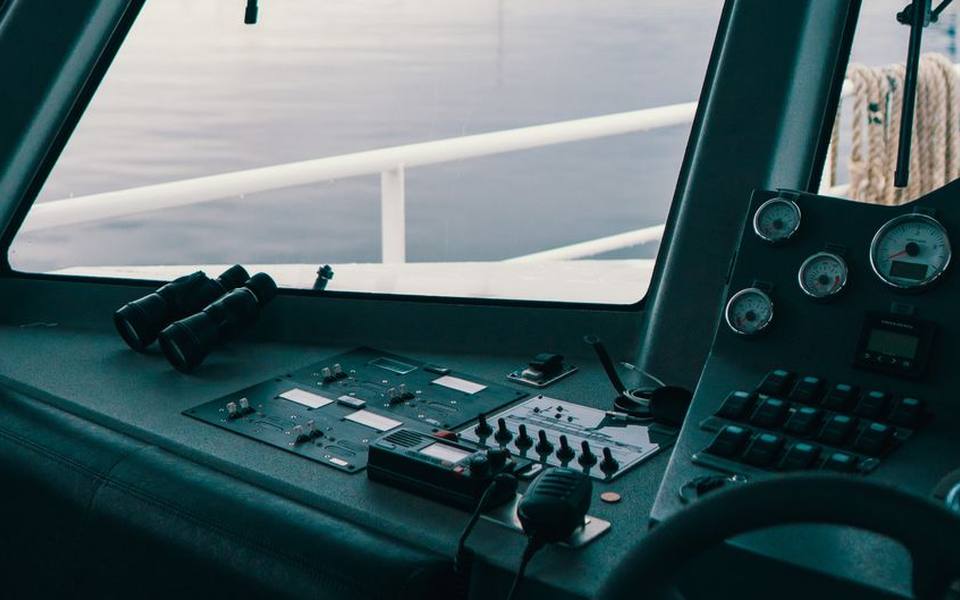
Personal watercraft, including jet skis and wave runners, consistently face stricter regulations than standard runabouts or bowriders. In almost every state, youth operators face minimum age floors to operate solo, frequently set between fourteen and sixteen years old, regardless of whether they have finished a course. Adults renting a vessel while on vacation often have the option of completing an abridged temporary exam valid strictly for the rental window, though completing a full program beforehand avoids rental counter delays.
Failing to carry your required proof of education can lead to inconvenient stops and civil infractions on the water. Conservation officers and sheriff marine patrols routinely request documentation alongside life jackets and fire extinguisher inspections during high-traffic holiday weekends. Taking the time to secure your credential before taking delivery of new or in-stock boats for sale prevents fines and keeps your time on the water stress-free.
Why NASBLA Approval Matters for Interstate Boaters
When browsing through educational programs, you will regularly encounter mentions of the National Association of State Boating Law Representatives, commonly abbreviated as NASBLA. This organization sets the national curriculum baseline for recreational boating instruction. Selecting a NASBLA approved boater safety course guarantees that the material fulfills national quality benchmarks, covering federal waterway standards alongside state-specific watercraft laws.
The primary practical benefit of a NASBLA-vetted credential is state reciprocity. Waterways rarely adhere cleanly to state borders; a major river or sprawling reservoir might touch two or three states in an afternoon cruise. When your course carries national accreditation, sister states will almost universally honor your safety boat certificate under interstate agreements, allowing you to cruise across jurisdictional lines without taking duplicate exams.
Non-approved programs, unofficial safety quizzes, or brief yacht club seminars might provide helpful context, but they will not satisfy legal requirements during a law enforcement stop. Before paying for an online course or spending hours in a weekend classroom, check the provider's registration page to verify that their completion certificate features the official state agency emblem alongside NASBLA verification marks.
Core Topics Covered in Boater Education
A comprehensive watercraft safety course covers fundamental navigation principles designed to prevent collisions and keep traffic flowing smoothly. Students learn the nautical rules of the road, such as identifying the stand-on vessel and give-way vessel in crossing, meeting, and overtaking encounters. Understanding these basic maneuvers eliminates hesitation at busy channel intersections, marina entrances, and shallow cuts where visibility is compromised.
Aids to navigation form another critical block of the study material. Boaters must master the lateral buoy system, remembering the classic guideline of red right returning to safely navigate channels when moving inland from open water. You will also learn to read regulatory markers, such as orange diamonds indicating submerged rocks, circles signaling idle speed or no-wake zones, and crossed diamonds designating restricted swim areas.
Emergency procedures and risk management make up the remainder of the syllabus. Courses thoroughly address cold water shock, hypothermia, carbon monoxide hazards around swim platforms, and capsizing protocols. Students study the proper deployment of visual distress signals, how to handle an onboard fire, and effective strategies for rescuing a passenger who falls overboard without endangering the rest of the crew.
Choosing Between Online Programs and Hands-On Classes
Prospective boaters can generally choose between digital self-paced software and live classroom sessions. Online training has become the dominant method for completing a boater safety course because it allows students to study at their own pace, pause modules, and review quizzes from a home computer or tablet. Most web providers utilize interactive animations, scenario videos, and chapter quizzes to reinforce key safety concepts.
Classroom instruction remains a compelling alternative, especially for novice boaters who appreciate interacting directly with experienced instructors. In-person classes are routinely organized through the United States Coast Guard Auxiliary, America's Boating Club squadrons, and local county sheriff departments. These environments allow students to ask nuanced questions about local tide conditions, sandbar hazards, and lock systems that standardized software might gloss over.
While standard academic courses cover theory, they rarely put students behind a physical helm. Many new owners choose to supplement their basic certification with on-water training sessions arranged through certified captains or professional delivery captains. Gaining supervised experience docking in crosswinds, anchoring in swift currents, and working throttles builds practical muscle memory that classroom testing alone cannot provide.
Mandatory Safety Gear and Vessel Inspections
Earning your card confirms that you understand vessel regulations, but maintaining legal compliance also requires outfitting your hull with required federal safety gear. Coast Guard regulations mandate having an appropriately sized, serviceable personal flotation device for every passenger aboard, with young children typically required to wear them continuously while underway. Powerboats must also carry sound-signaling devices, compliant fire extinguishers, and daylight and nighttime distress signals.
Before departing on maiden voyages, smart operators schedule a complimentary vessel safety check. Volunteer organizations like the Coast Guard Auxiliary provide these no-penalty reviews at public launch ramps and marina slips. Examiners verify that your registration numbers, hull identification, horn, bilge blower, and flame arrestors meet state and federal codes without issuing citations for missing items.
If you discover during an inspection that your life vests have degraded or your marine flares have passed their expiration dates, you can replenish compliant supplies through a dealer parts counter. Carrying clean, unexpired safety gear ensures that you stay compliant during waterborne safety stops and guarantees dependable performance when unexpected equipment failures occur miles from the ramp.
Financial Advantages and Insurance Discounts
Beyond fulfilling legal mandates and boosting personal confidence, completing a recognized boat safety class offers tangible financial benefits. Marine insurance carriers regularly offer premium discounts—typically ranging from five to fifteen percent—to policyholders who provide proof of completing an approved education program. Over several years of ownership, these premium reductions can easily offset the modest registration fee of the course.
Underwriters view certified operators as substantially lower risks for catastrophic claims, including high-speed collisions, grounding damages, and marina docking impacts. For high-performance vessels, offshore fishing center consoles, or wakeboard boats equipped with high-output propulsion, some insurance carriers will not issue a binder until the primary policyholder submits proof of formal instruction.
Financing institutions also take notice of operator preparedness. When working with marine lenders or exploring loan options through dealership finance offices, demonstrating thorough knowledge and solid credentials helps present you as a responsible asset manager. Underwriters appreciate knowing that their secured collateral is operated by someone who understands maritime navigation and hull safety.
Transitioning to a USCG Captain’s License
Recreational boaters who fall in love with seamanship occasionally decide to upgrade from a safe boaters certificate to professional maritime credentials. The most common entry-level commercial credential is the Operator of Uninspected Passenger Vessels license, commonly referred to as the six-pack license. This authorization allows an individual to legally carry up to six paying passengers for hire on domestic waterways.
Achieving a captain's license requires considerably more preparation than completing a standard state course. Applicants must document a minimum volume of qualifying sea time—typically around 360 days on the water, with a day defined as at least four hours underway—alongside passing a physical exam, drug screen, and homeland security background check. You must also pass comprehensive proctored tests covering plotting, navigation rules, firefighting, and maritime law.
For mariners aiming to run larger passenger vessels or operate commercial towing rigs, a Master license up to 25, 50, or 100 gross tons becomes necessary. While these professional licenses demand substantial commitment, having commercial credentials provides deep mastery over coastal navigation, weather routing, and vessel systems that dramatically enhances personal peace of mind even on casual family outings.
Card Management, Lost Credentials, and Inter-State Travel
Once you earn your boating safety certificate, maintaining digital and physical backups is vital. Most state issuing agencies allow you to download a digital version or request duplicate plastic cards for a nominal processing fee if yours is misplaced or damaged by water exposure. Keeping a laminated copy tucked inside your vessel's dry box alongside the state registration paperwork ensures you never face a citation due to forgotten papers.
When trailering your boat across state lines for a fishing trip or lake vacation, review guest boater provisions for your destination state. Most states extend temporary reciprocity—often up to thirty, sixty, or ninety consecutive days—to visiting boaters holding valid credentials from their home residency. If your home state does not require a card, however, you may still need to acquire temporary visitor certification to legally run in strict destination waters.
Rental companies in tourist hubs regularly manage state regulations by administering short-term orientation modules. If you plan to rent a vessel in unfamiliar coastal bays or vast lakes, taking an accredited program ahead of time saves time at the rental booth and ensures you are thoroughly versed in channel markers, tide tables, and local hazards before taking the helm.
Putting Education into Practice on the Water
Classroom instruction and online modules provide the foundational knowledge required for safe vessel handling, but nothing replaces disciplined time at the helm. New owners should spend their initial outings practicing basic maneuvers in wide, low-traffic areas before attempting tight marina docks on crowded weekends. Focus on learning how wind shear and current affect your hull speed, pivot points, and reversing responsiveness.
Establishing sound operational habits begins before you untie the dock lines. Build a routine checklist that includes checking the bilge for fuel vapors, inspecting steering linkages, checking fluid levels, and monitoring local marine weather forecasts. Understanding how to handle small anomalies early prevents minor mechanical quirks from turning into emergency calls to commercial towing outfits or marine rescue teams.
If your vessel requires seasonal maintenance, engine servicing, or a comprehensive mechanical review before launch day, partner with a dependable local shop through dealers with service departments. Combining rigorous maintenance practices with formal education and calm situational awareness ensures that every trip away from the marina slip is safe, lawful, and enjoyable.
Published 2026-09-20 · reviewed with each rebuild, last September 2026.
Find boat dealers near you
The directory lists 7,311 boat dealers by state and city — pick your state or use the “Near me” button in the header.
More guides
-
 Storage
Boat Storage and Slip Costs: Dry Storage, Mooring, and Marina Rates Guide
-
 Money
MoneyHow Much Does a Boat Engine Cost? Complete Marine Motor Pricing Guide
-
 Buying
How Much Does a Pontoon Boat Cost to Buy or Rent?
-
 Service
Cosmetic Maintenance, Surface Repairs, and Deck Restorations: A Practical Marine Guide
-
 Owning
Marine Electrical Systems, Critical Hardware, and Modern Repower Planning
-
 Service
Essential Boat Mechanical Repairs: Managing Cables, Pumps, and Routine Service
-
 Owning
Understanding Your Boat's Plumbing, Fuel Systems, and Ownership Costs
-
 Owning
How to Handle Boat Registration, Title Transfers, and USCG Documentation
-
 Owning
Complete Off-Season Preparation: Storage Steps, Costs, and Protective Canvas
-
 Safety
The Essential Boating Safety Equipment Checklist, Education Guide, and Ownership Budgeting
-
 Money
MoneyUnderstanding Marine Loans: Rates, Terms, and Approval
-
 Buying
Center Console vs. Bowrider Boats: Layouts, Costs, and Finding the Right Fit
-
 Safety
How to Tow a Boat Safely and Maintain Trailer Wheel Bearings
-
 Buying
What Is a Marine Survey and How Much Does It Cost?
-
Buying
Yacht Buying, Chartering, and Brokerage Guide
-
Owning
Boat Trailers, Launching, and Ramp Etiquette Guide
-
Buying
Complete Used Boat Buying Guide: Valuations, Inspection, and Bill of Sale
-
Buying
The Complete Pontoon and Tritoon Guide: Layouts, Brands, and Ownership
-
Buying
Jon Boats and Small Aluminum Fishing Boats: Complete Buyer and Build Guide
-
Buying
Bass Boats and Freshwater Fishing Boats Buyer's Guide
-
Buying
Outboard Motors Guide: Yamaha, Suzuki, Mercury Specs and Used Buying
-
Money
Navigating Boat Loans and Marine Financing: Rates, Loan Terms, and Monthly Payment Realities
-
Owning
Boat Clubs vs. Rentals and Charters: Which Waterway Option Fits You?
-
Service
The Complete Guide to Boat Maintenance, Winter Storage, and Mechanical Repairs
-
Buying
Catamarans Guide: Sailing, Power, Hobie, and Buying Options
-
Owning
Marine Batteries Buyer's Guide: Deep Cycle, Lithium, AGM, and Dual Purpose
-
Buying
Electric Trolling Motors: Complete Guide for Kayaks, Pontoons, and Fishing Boats
-
 Owning
Complete Boat Rental Guide: Destinations, Types, and Rates
-
 Service
Boat Fuel Systems and Injector Care: Tanks, Filters, and Cleaning
-
 Buying
Center Console Boats: Types, Construction, and Buying Guide
-
 Owning
Boat Docks, Lifts, and Flotation Systems: Complete Waterfront Guide
-
 Buying
A Complete Guide to Fishing Boats, Sonar Electronics, and Rod Rigging Systems
-
 Owning
Outboard Motors, Jack Plates, and Marine Propellers: The Complete Rigging Guide
-
 Buying
A Complete Guide to Boat Brands, Marine Brokers, and Finding the Right Dealer
-
 Money
MoneyBoat Insurance, Financing, and Title History Lookup: Complete Guide
-
 Buying
Small Boats, Kayaks, Canoes, and Inflatable Craft: Complete Buyer and Rigging Guide
-
 Owning
Marine Canvas, Bimini Tops, and Boat Covers: Selection and Care Guide
-
 Buying
Complete Guide to Boat Shows: Dates, Tickets, and Top US Events
-
 Owning
Boat Anatomy 101: Hull Parts, Steering Wheels, and Terminology