Matching the Hull to Your Fishing Style
Choosing the right fishing craft comes down to where you spend your time on the water, the species you target, and how far you need to travel from the boat ramp. An angler chasing bass across protected reservoirs needs a very different platform than someone running inlet chop to chase coastal stripers or bottom fish. While large offshore center consoles get plenty of attention, compact setups and versatile skiffs often deliver far more days on the water for a fraction of the operating cost. Starting your search with a clear understanding of hull shapes, deck layouts, and trailering demands will keep you from overspending on capability you rarely use.
When exploring boats for sale in stock, you will notice that hulls generally split between flat-bottom skiffs, modified-V designs, and deep-V offshore platforms. Flat-bottom boats provide exceptional initial stability and can float in mere inches of water, making them ideal for back bays, sloughs, and shallow river systems. However, running into a stiff head chop in a flat hull can rattle your fillings. Modified-V hulls offer a practical compromise by slicing through moderate boat wakes and river chop while preserving a relatively shallow draft and decent deck stability at rest.
Deep-V hulls, typically found on coastal center consoles and offshore walkarounds, excel at tracking straight and softening wave impacts in open water. The trade-off is higher hull weight, requiring significantly more outboard horsepower, higher fuel consumption, and heavier tow vehicles. Before committing to a specific layout, consider where you will store the rig at home, whether your vehicle can safely handle the tongue weight, and how easily you can launch and retrieve the vessel alone on a weekday afternoon.
Compact Utility and Small Aluminum Rigs
A small fishing boat remains the backbone of freshwater angling across the country, largely because aluminum utility hulls and modified-V jon boats are durable, economical, and remarkably simple to maintain. Aluminum construction can withstand gravel beachings, submerged stumps, and rocky riverbeds that would gouge fiberglass gelcoat. These lightweight hulls can be launched from unpaved ramps or primitive shoreline accesses that heavier fiberglass vessels cannot reach, opening up secluded backwaters that see very little fishing pressure.
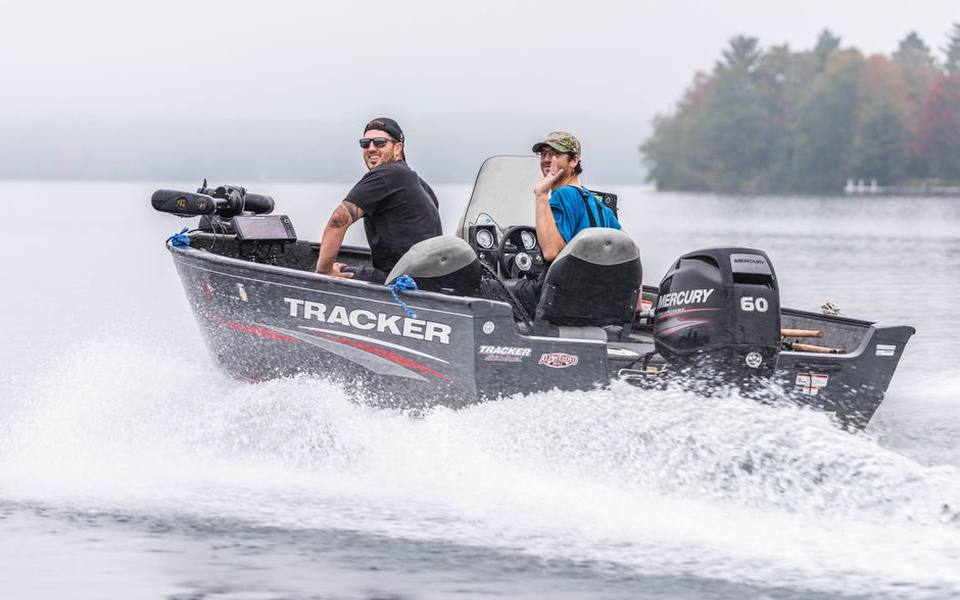
Outfitting a compact aluminum hull requires careful consideration of weight distribution. Because a twelve to sixteen-foot boat has limited displacement, placing a heavy deep-cycle battery, a fuel tank, and an angler all at the stern can make the craft draft too deep aft and porpoise while under power. Experienced anglers balance the craft by running long wiring leads to position trolling motor batteries in the forward bow locker, keeping the bow pinned down for cleaner tracking and safer handling.
Powering these boats is equally straightforward, with outboards typically ranging from five to fifty horsepower depending on transom ratings. Modern four-stroke portable outboards provide clean, quiet trolling without the exhaust smoke or temperamental carburetors common in older two-stroke units. When outfitting a smaller aluminum hull, avoid drilling unnecessary holes into structural ribs or bench seats containing floatation foam, as unsealed penetrations can compromise both buoyancy and structural integrity over time.
Inflatable Platforms for Portable Angling
Inflatable fishing boats have evolved far beyond pool toys, emerging as tough, highly capable platforms for anglers who lack driveway parking or a dedicated tow vehicle. Modern heavy-duty PVC and Hypalon fabrics feature multi-layer reinforcement that resists fish spines, hook points, and abrasive shoreline rocks. When paired with high-pressure drop-stitch air floors or interlocking aluminum deck boards, an inflatable platform provides a surprisingly rigid deck that allows an angler to stand and cast with confidence.
Portability is the defining advantage of an inflatable setup. The entire craft, along with a lightweight outboard or transom-mount electric trolling motor, can fit inside the trunk of an SUV or the corner of a garage. For backcountry lakes, alpine reservoirs, and winding rivers without formal boat ramps, an inflatable rig eliminates the need for trailer registrations, wheel bearing maintenance, and ramp launching fees. Setup typically takes fifteen to twenty minutes using a high-volume electric pump powered by a vehicle battery.
There are trade-offs to consider with inflatable craft, primarily regarding wind drift and interior space. Because the tubes sit high on the water and draft very little, strong breezes can push an inflatable across a flat lake much faster than a conventional metal or fiberglass hull, requiring an anchor or frequent trolling motor adjustments. Additionally, the broad sponsons consume a notable portion of the internal beam, meaning equipment storage must be organized meticulously to keep footwells clear for landing fish.
Evaluating Used Listings and Marine Transoms
Shopping for a pre-owned vessel requires a practical eye for hidden moisture damage and neglected mechanical systems. While reviewing used boats in current inventory, the cosmetic appearance of gelcoat or paint often matters far less than what lies underneath. Transoms and stringers on older craft frequently incorporated wood cores, which can rot silently if previous owners failed to properly seal through-hull fasteners, motor mounting bolts, or transducer screws.
To test a boat transom on-site, trim the outboard up slightly and apply moderate downward pressure on the lower gearcase while watching the motor bracket. Any visible flexing, hairline spider-web cracking in the fiberglass around the mounting holes, or weeping brown fluid indicates core rot that requires expensive structural reconstruction. On aluminum hulls, inspect the welded corner gussets along the stern and examine the bottom rivets for signs of weeping, loose heads, or uneven impact dents from previous groundings.
Wiring on older fishing platforms is another frequent failure point. Previous owners often splice into original factory harnesses to add aftermarket lights, aerators, and fish finders, leaving behind exposed twist-on wire nuts or unsealed butt connectors that corrode rapidly in moist environments. Factor the cost and time of rewiring switch panels and bilge pumps into any used purchase offer, as clean DC electrical power is vital for both on-water safety and sensitive marine electronics.
Demystifying Sonar: Depth Sounders and Fish Finders
A reliable depth finder for boat navigation is one of the most critical instruments at the helm, serving the dual purpose of keeping your hull out of dangerous shallows and revealing underwater habitat. Modern marine electronics bundle basic depth sounders with high-frequency imaging sonar, chartplotting capabilities, and internal GPS antennas. Understanding how these frequencies interact with the water column helps you choose a unit that matches your target depths and fishing techniques rather than paying for unnecessary processing power.
Standard traditional sonar operates on frequencies typically ranging from 50 to 200 kHz, creating the classic fish arches on screen as targets pass through a wide, cone-shaped beam. Higher frequencies provide crisper target separation in shallow water, while lower frequencies penetrate deep into the water column with minimal signal loss. For basic depth monitoring while running on plane, a traditional 2D sounder is usually adequate, giving you a clear view of bottom contour changes and sudden drop-offs before your lower unit finds a sandbar.
High-frequency scanning sonar—often referred to as down-imaging and side-imaging—uses thin, fan-shaped beams operating at 455 kHz, 800 kHz, or even 1.2 MHz. These frequencies produce near-photographic pictures of submerged timber, bridge pilings, rock piles, and weed edges, making it easy to identify structure holding fish. When budgeting for a fish finder for boat installations, consider screen size carefully; a split-screen view showing both navigational charts and down-scan imaging can become difficult to read on displays smaller than seven inches.
Transducer Placement and Clean Signal Rigging
Even the most advanced sonar display will produce a cluttered, unreadable screen if the transducer receives turbulent water or electrical interference. The transducer is the acoustic antenna of your depth fish finder for boat applications, transforming electrical pulses into sound waves and reading the returning echoes. The single most common mistake in DIY rigging is mounting the transducer directly behind hull strakes, step-hulls, or intake grates that churn the passing water into an aerated froth.

Aerated water acts as an acoustic barrier, scattering sound waves and causing the display to lose bottom readings as soon as the throttle is cracked open. On single-engine boats with clockwise-turning propellers, the starboard side of the transom typically offers cleaner water flow on the downward propeller stroke. The transducer should be mounted so its bottom face sits slightly below the hull line, parallel to the water's surface when the boat floats at resting trim, rather than aligned with the deadrise angle of the transom.
Running the transducer cable forward to the console requires separate routing away from high-draw electrical circuits. Never bundle delicate sonar data cables alongside thick outboard battery cables, VHF radio antenna wires, or trim pump leads. Inductive electrical noise from an alternator or ignition system can bleed into the display as rhythmic vertical lines or random snow. If excess transducer cable remains, loop it into a loose figure-eight pattern rather than a tight coil, which can act as an antenna for unwanted interference.
Selecting and Mounting Fishing Rod Holders
Installing the correct fishing rod holders for boats transforms a cluttered deck into a coordinated fishing cockpit where rods are protected and lines are presented at optimal angles. Rod holders serve two distinct functions: holding rods during active trolling, where the hardware must withstand the sudden drag of a striking fish, and securing rods during transit across choppy water. Choosing between flush-mount, clamp-on, and surface-mount hardware depends entirely on your gunwale width and hull material.
Flush-mount units are standard on coastal craft with wide fiberglass gunwales. These holders require drilling an angled hole through the deck cap, allowing the body of the tube to sit concealed beneath the surface. For active trolling, choose thirty-degree angled flush mounts with welded internal gimble pins that lock rod butts in place. Always ensure the bottom drain tube of a flush holder directs rainwater and deck washdown into the bilge or directly overboard, rather than draining onto dry storage compartments or electrical wiring tucked beneath the gunwales.
Clamp-on and surface-mount fishing pole holder for boat rails are ideal for aluminum boats, bow rails, or poling platform uprights. These units provide adjustable pitch and rotation, allowing you to angle trolling lines out to the sides to widen your trolling spread without tangles. For heavy-duty applications like deep trolling or chasing large pelagic fish, solid cast stainless steel hardware is mandatory; composite plastic holders are suitable for light freshwater trolling or stationary drift-fishing with panfish and crappie gear.
Storage Racks and Cockpit Rod Organization
When running across open water, loose rods leaning against consoles or lying on open decks inevitably suffer stepped-on guides, scratched graphite blanks, and broken tips. Installing a dedicated fishing rod rack for boat bulkheads or gunwales keeps valuable tackle out from underfoot while maintaining fast access when fish break the surface. Horizontal racks mounted under the inner gunwales are an excellent way to use dead space along the cockpit walls, protecting three to four rods per side in padded foam cutouts.
Vertical storage options, commonly known as rocket launchers, are typically mounted to the back of leaning posts, T-tops, or console sides. These vertical holders keep rods out of the way while moving around the deck during a fight, though overhead bridge clearance must be kept in mind when trailering with rods stored vertically. If you need specialized hardware or replacement brackets, checking in with a parts counter can connect you with marine-grade aluminum tracks and mounting adaptors designed specifically for your boat's hull profile.
Track mounting systems have become standard equipment on modern multi-species and walleye hulls. Heavy-duty aluminum tracks running along the gunwale allow anglers to slide, reposition, or remove rod holders, downriggers, and tool caddies without drilling new holes into the hull. This modularity lets you quickly reconfigure the boat from a stripped-down family sandbar cruiser on Saturday into a tournament-ready trolling spread on Sunday morning.
Electrical Layouts and Battery Management
Modern fishing setups place substantial demands on a boat's DC electrical system. Between GPS fish finders, livewell aerators, high-output bilge pumps, running lights, and bow-mounted trolling motors, a single battery setup quickly leads to dead engine starts miles away from the dock. Separating your engine starting circuit from your house and angling electronics is the most reliable way to avoid stranded afternoons on the water.
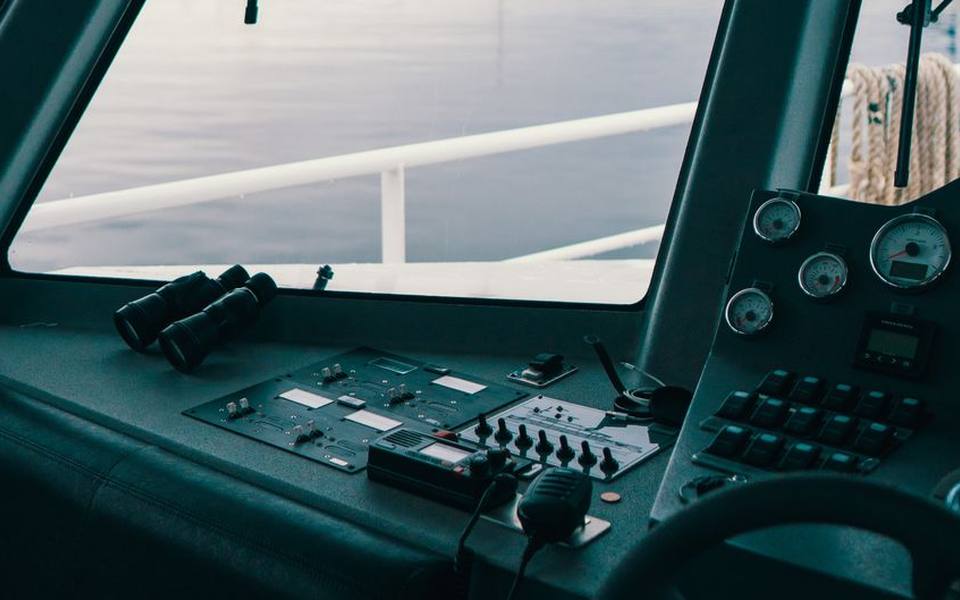
A proper dual-battery installation pairs a dedicated cranking battery with a deep-cycle house battery, linked together by an automatic charging relay or a manual multi-position selector switch. The cranking battery delivers brief, high-amperage bursts to turn over the outboard, remaining completely isolated while you drift with electronics and aerator pumps running. The deep-cycle house battery is engineered to deliver sustained, low-amperage power over long hours, tolerating repeated discharges without internal lead-plate degradation.
Electric trolling motors require their own isolated battery bank, operating on 12, 24, or 36-volt systems depending on the thrust rating needed to counter wind and current. Never tap a 24-volt trolling motor series to pull 12-volt power for a sonar unit or stereo, as this creates unequal battery drain and causes severe ground-loop interference on the sonar screen. Equipping the boat with an on-board multi-bank smart charger allows you to plug into standard household shore power overnight, ensuring all banks are conditioned and fully charged before your next launch.
Pre-Purchase Rigging Inspections and Mechanical Support
Outfitting a vessel with modern navigation, custom rod mounting hardware, and dedicated power systems requires significant planning and mechanical precision. Before drilling into structural stringers or tapping into factory wire harnesses, consider consulting a certified marine technician. Working through a reputable dealership or specialized marine service department provides peace of mind that through-hull transducers are sealed with correct adhesive sealants and that electrical systems are adequately protected by marine circuit breakers.
A professional shop can also perform a diagnostic check on outboard compression, lower unit seal integrity, and fuel delivery systems before you finalize a purchase. Many marine repair facilities will test run engines in a water tank, verifying operating temperatures, water pump impellers, and alternator output under load. This diagnostic baseline ensures that your core mechanical systems are healthy before you invest time and money into outfitting accessories.
Taking an incremental approach to boat rigging is almost always wiser than mounting every gadget before your maiden voyage. Spend several trips on the water with a bare layout to see where your crew naturally stands, where tackle boxes are accessed, and how lines are handled at the net. Placing your rod holders, electronic displays, and storage racks around real-world fishing habits produces an uncluttered, safe platform that keeps you focused on the bite.
Published 2026-09-20 · reviewed with each rebuild, last September 2026.
Find boat dealers near you
The directory lists 7,311 boat dealers by state and city — pick your state or use the “Near me” button in the header.
More guides
-
 Storage
Boat Storage and Slip Costs: Dry Storage, Mooring, and Marina Rates Guide
-
 Money
MoneyHow Much Does a Boat Engine Cost? Complete Marine Motor Pricing Guide
-
 Buying
How Much Does a Pontoon Boat Cost to Buy or Rent?
-
 Service
Cosmetic Maintenance, Surface Repairs, and Deck Restorations: A Practical Marine Guide
-
 Owning
Marine Electrical Systems, Critical Hardware, and Modern Repower Planning
-
 Service
Essential Boat Mechanical Repairs: Managing Cables, Pumps, and Routine Service
-
 Owning
Understanding Your Boat's Plumbing, Fuel Systems, and Ownership Costs
-
 Owning
How to Handle Boat Registration, Title Transfers, and USCG Documentation
-
 Owning
Complete Off-Season Preparation: Storage Steps, Costs, and Protective Canvas
-
 Safety
The Essential Boating Safety Equipment Checklist, Education Guide, and Ownership Budgeting
-
 Money
MoneyUnderstanding Marine Loans: Rates, Terms, and Approval
-
 Buying
Center Console vs. Bowrider Boats: Layouts, Costs, and Finding the Right Fit
-
 Safety
How to Tow a Boat Safely and Maintain Trailer Wheel Bearings
-
 Buying
What Is a Marine Survey and How Much Does It Cost?
-
Buying
Yacht Buying, Chartering, and Brokerage Guide
-
Owning
Boat Trailers, Launching, and Ramp Etiquette Guide
-
Buying
Complete Used Boat Buying Guide: Valuations, Inspection, and Bill of Sale
-
Buying
The Complete Pontoon and Tritoon Guide: Layouts, Brands, and Ownership
-
Buying
Jon Boats and Small Aluminum Fishing Boats: Complete Buyer and Build Guide
-
Buying
Bass Boats and Freshwater Fishing Boats Buyer's Guide
-
Buying
Outboard Motors Guide: Yamaha, Suzuki, Mercury Specs and Used Buying
-
Money
Navigating Boat Loans and Marine Financing: Rates, Loan Terms, and Monthly Payment Realities
-
Owning
Boat Clubs vs. Rentals and Charters: Which Waterway Option Fits You?
-
Service
The Complete Guide to Boat Maintenance, Winter Storage, and Mechanical Repairs
-
 Safety
Boating Safety Courses, Licenses, and Certification Guide
-
Buying
Catamarans Guide: Sailing, Power, Hobie, and Buying Options
-
Owning
Marine Batteries Buyer's Guide: Deep Cycle, Lithium, AGM, and Dual Purpose
-
Buying
Electric Trolling Motors: Complete Guide for Kayaks, Pontoons, and Fishing Boats
-
 Owning
Complete Boat Rental Guide: Destinations, Types, and Rates
-
 Service
Boat Fuel Systems and Injector Care: Tanks, Filters, and Cleaning
-
 Buying
Center Console Boats: Types, Construction, and Buying Guide
-
 Owning
Boat Docks, Lifts, and Flotation Systems: Complete Waterfront Guide
-
 Owning
Outboard Motors, Jack Plates, and Marine Propellers: The Complete Rigging Guide
-
 Buying
A Complete Guide to Boat Brands, Marine Brokers, and Finding the Right Dealer
-
 Money
MoneyBoat Insurance, Financing, and Title History Lookup: Complete Guide
-
 Buying
Small Boats, Kayaks, Canoes, and Inflatable Craft: Complete Buyer and Rigging Guide
-
 Owning
Marine Canvas, Bimini Tops, and Boat Covers: Selection and Care Guide
-
 Buying
Complete Guide to Boat Shows: Dates, Tickets, and Top US Events
-
 Owning
Boat Anatomy 101: Hull Parts, Steering Wheels, and Terminology