The Appeal and Core Architecture of Center Console Hulls
A center console boat places the helm station squarely amidships, leaving an unobstructed perimeter walkway around the entire vessel. This architecture was originally developed for open-water anglers who needed 360-degree fishability, allowing someone hooked into a fast-running game fish to walk from bow to stern without stumbling over cabin bulkheads or engine boxes. Today, the open-deck layout has evolved far beyond basic skiffs into versatile platforms that serve offshore fishing runs, watersports, and family harbor cruising with equal competence.
The primary advantage of the central helm is unmatched operational visibility and balanced weight distribution. With the driver positioned along the keel centerline, sightlines remain clear across both port and starboard sides, which simplifies close-quarters docking and maneuvering around crowded marina slips. Outboard propulsion dominates this category, keeping the cockpit floor flush and maximizing usable deck square footage while offering modern digital controls, tilt capabilities for shallow waterways, and straightforward access for routine maintenance.
Operating an open console craft does involve practical tradeoffs, primarily involving exposure to sun, spray, and wind. Unlike dual consoles or express cabins that feature full windshields and enclosed salons, a standard center console leaves passengers in the open air. Builders address this through canvas biminis, molded fiberglass hardtops, three-sided acrylic enclosures, and drop-down curtains. For boaters in warmer coastal waters or sheltered inland bays, the superior ventilation, easy washdown ability, and expansive deck space make the design a compelling choice.
Hull Construction: Fiberglass Versatility Versus Welded Aluminum
The debate between fiberglass and aluminum is central to choosing the right hull material. Molded fiberglass allows naval architects to craft complex hydrodynamic surfaces, including variable deadrise bottoms, reverse chines, and stepped running surfaces. These intricate curves slice cleanly through offshore chop and push displaced water away from the cockpit, delivering a softer, drier ride in open ocean conditions. Fiberglass also provides a finished, gelcoat aesthetic with molded non-skid flooring, integrated fishboxes, and seamless liners that are comfortable for barefoot family cruising.
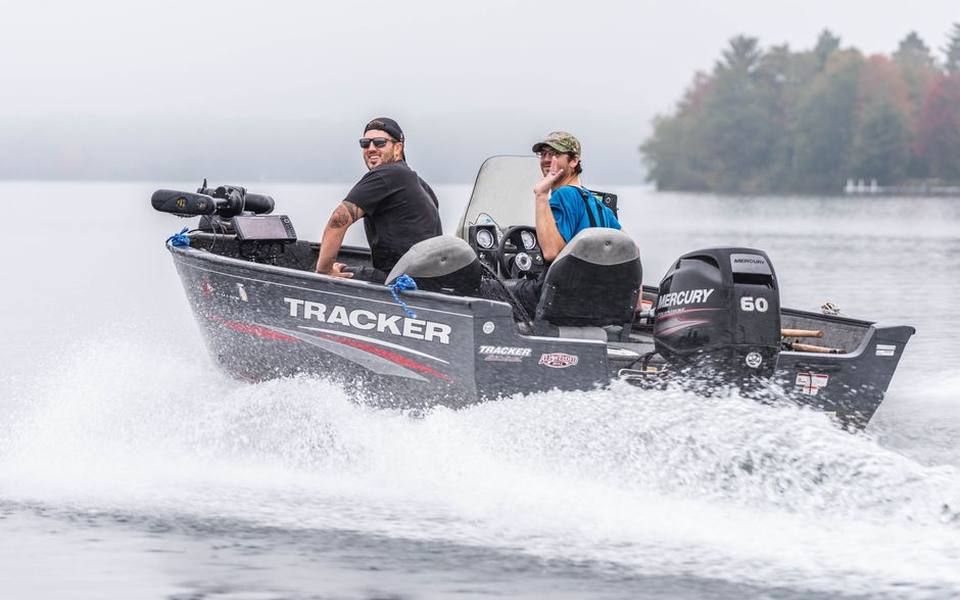
In contrast, aluminum center console boats prioritize structural toughness, low weight, and impact resistance. Heavy-gauge welded aluminum plate construction is particularly popular in the Pacific Northwest, shallow river networks, and rocky tidal zones where striking a gravel bar or submerged timber would fracture gelcoat and fiberglass cloth. Aluminum hulls require significantly less horsepower to achieve comparable cruising speeds, reducing both engine purchase costs and long-term fuel consumption while remaining easy to pull with standard light trucks and midsize SUVs.
Choosing between the two materials depends heavily on where you operate and your willingness to handle maintenance. Aluminum models resist impact damage and require minimal hull cosmetic upkeep, making them exceptional utilitarian workhorses for shallow bay runs and rocky rivers. Fiberglass hulls, while heavier and requiring periodic waxing to prevent gelcoat oxidation, provide superior wave dampening, quieter running through rough chop, and endless options for integrated luxury seating and molded livewells.
Unsinkable Foam-Filled Hulls and Classic Structural Designs
Certain construction methods have defined marine safety standards for decades, most notably the unsinkable foam-core unibond construction pioneered by builders like Boston Whaler. This manufacturing technique injects liquid closed-cell polyurethane foam under pressure between the inner deck liner and outer hull shell while the pieces are still clamped inside the precision mold. As the chemical foam expands, it permanently bonds the structural skins into a single composite beam, eliminating hollow cavities where water can collect.
The practical benefit of this construction is true level flotation. Even if a foam-filled hull suffers catastrophic damage, strikes a reef, or takes a breaker over the gunnels that swamps the cockpit, the boat typically remains upright and floating high enough to support its rated passenger load and the weight of the outboard engines. Beyond emergency survival, the dense core absorbs wave slapping vibrations and engine harmonics, producing a remarkably solid, quiet sensation underfoot when crossing choppy harbor chop.
When shopping for used examples of foam-filled center consoles, structural due diligence remains vital. Older hulls that were poorly repaired or drilled into for aftermarket accessory mounts without proper marine sealant can absorb moisture into the inner laminate over several seasons. A trained marine surveyor uses acoustic tapping hammers and moisture meters to verify that the core remains dry and free of delamination, ensuring the legendary flotation integrity of the hull remains intact for your investment.
Bay Boats Versus Dedicated Offshore Deep-V Platforms
The center console category spans a broad continuum between shallow-draft bay boats and heavy deep-V offshore battlewagons. A bay boat center console is engineered for coastal marshes, protected sounds, and nearshore reefs. These hulls typically feature moderate deadrise angles around 14 to 18 degrees, relatively low gunnels to simplify landing fish, and shallow drafts between 12 and 16 inches. They are purpose-built for sneaking across oyster bars on calm mornings, often equipped with bow-mounted electric trolling motors and shallow-water anchor poles.
Offshore center consoles, on the other hand, prioritize rough-water competence and passenger security over skinny-water access. These hulls employ deep-V deadrise measurements ranging from 21 to 24.5 degrees at the transom, paired with sharp entry bows that knife through steep offshore swell. Tall freeboard walls keep following seas out of the cockpit and provide safe bracing points for anglers fighting pelagic species in heavy rollers. However, the deep draft and sharp bottom require significantly more outboard power and fuel to push through the water.
Selecting the right hull style requires an honest assessment of your home waters. Attempting to run a low-profile bay boat fifteen miles into the open ocean during an afternoon squall can quickly compromise crew safety and comfort. Conversely, driving a twin-engine 28-foot deep-V offshore center console into back bays limits your fishing access to marked channels and deep holes, effectively locking you out of productive marsh shorelines.
Rigging and Outfitting for Dedicated Angling Performance
For serious anglers, a center console serves as a specialized floating tackle station where layout efficiency directly impacts fishing success. Key fishing features include pressurized livewells designed with rounded corners and directional aeration to keep fragile baitfish alive during long runs. Builders mount rod holders along the gunnels, install vertical rocket launchers across the back of the leaning post, and integrate horizontal locking rod lockers beneath the gunnels to protect valuable graphite rods from foot traffic.
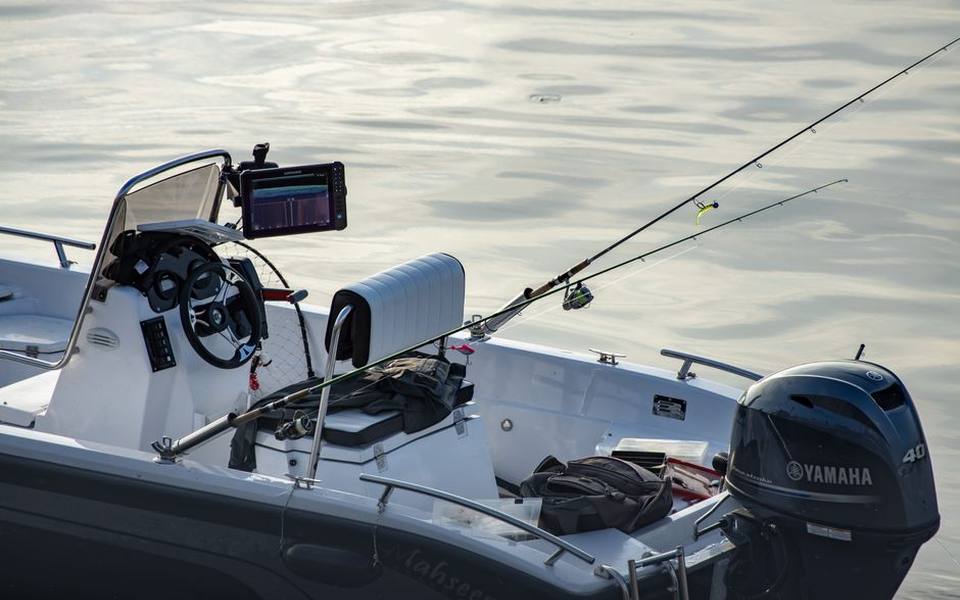
Cockpit drainage is a critical structural element on center console fishing boats. High-quality designs incorporate true self-bailing cockpits with oversized scuppers set well above the resting waterline. When taking green water over the bow or washing down blood and bait scales with raw water hoses, gravity immediately drains the deck through the scuppers without relying exclusively on electrical bilge pumps. Insulated in-deck fishboxes with dedicated macerator pumps allow you to pack fish on ice without cluttering the deck with loose coolers.
The helm station on an angling platform must accommodate extensive marine electronics. Helm dashboards should feature sufficient flat panel surface area to mount dual multifunction displays, which run side-scanning sonar, radar overlays, and navigation charts simultaneously. T-tops provide structural support for outriggers, radio antennas, and spreader lights that illuminate the casting decks during pre-dawn departures and late-evening returns.
Family Amenities and Crossover Cruising Features
Modern center consoles have evolved from utilitarian, stark fishing platforms into versatile family day cruisers. To cater to multi-generational outings, manufacturers integrate plush forward seating lounges with removable, forward-facing backrests in the bow. Deep cockpit cushions, recessed stainless grab rails, and fold-away aft bench seats allow the boat to transform smoothly from an active drift-fishing platform at dawn into a comfortable sandbar cruiser by midday.
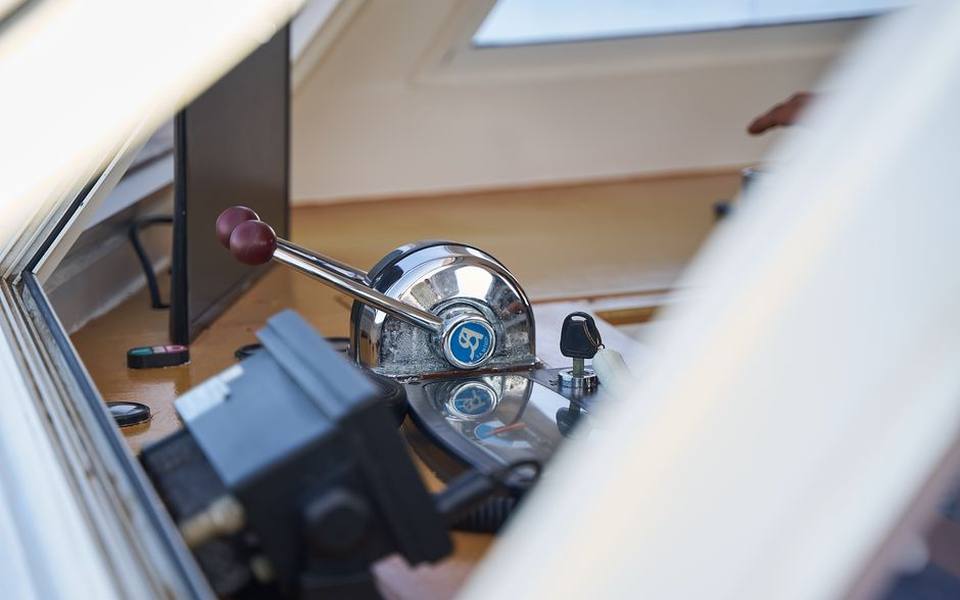
One of the most appreciated modern features is the enclosed head compartment tucked beneath the center console steering station. On hulls measuring 21 feet and larger, builders utilize the interior console space to house a chemical porta-potti or a full pump-out marine toilet with dedicated holding tanks and freshwater sinks. Having a private, clean head compartment onboard eliminates the stress of finding shore restrooms and significantly extends the length of comfortable family outings.
Cruising comfort is further enhanced by thoughtful accessory integration. Removable bow cocktail tables, built-in insulated drink holders, telescoping swim ladders, and retractable freshwater transom showers allow swimmers to rinse off salt after snorkeling. While evaluating these comfort features on available Center Console Boats for Sale and Service, check that cushion upholstery uses high-density marine foam and UV-treated vinyl that resists mildew and sun cracking over years of exposure.
Outboard Engine Configurations and Transom Power Matching
Center consoles rely almost universally on modern four-stroke outboards, but matching engine configurations to hull displacement requires careful thought. Single-engine packages on hulls up to 24 feet minimize routine maintenance, simplify lower unit servicing, and reduce overall weight at the transom. Modern high-horsepower V6 and V8 single outboards deliver sufficient torque to plane heavy loads quickly while returning excellent fuel economy during midrange cruising speeds.
For offshore work spanning twenty or more miles from the inlet, twin-engine setups become standard. Dual outboards provide vital mechanical redundancy; if one engine suffers fuel contamination, electrical failure, or gearcase damage in rough seas, the remaining engine allows the crew to limp back into port under power. Larger hulls exceeding 32 feet frequently utilize triple or quad outboards to achieve high-speed cruise velocity while supporting heavy livewells, large fuel payloads, and multiple passengers.
Avoid the temptation to purchase a hull rigged with minimum rated horsepower simply to reduce the initial purchase price. An underpowered boat struggles to climb onto plane with full fuel tanks and a full crew, forcing the engine to run at high revolutions per minute just to maintain momentum. This chronic strain increases engine wear and burns more fuel than a properly matched, higher-displacement motor running effortlessly at moderate cruising throttle settings.
Essential Inspection Points for Pre-Owned Center Consoles
When browsing Used Boat Dealers for pre-owned console models, thorough mechanical and structural inspections protect you from hidden expenses. Start by examining the transom for structural flex or stress cracking around the outboard mounting bolts. Trim the engine up slightly, place weight on the lower unit, and look for movement or soft spots in the fiberglass core, which can signal rotted wood reinforcement or cracked internal composite transoms.
Under-deck fuel tank condition is another major checkpoint on older fiberglass hulls. Sub-floor aluminum fuel tanks are subject to crevice corrosion if saltwater becomes trapped between the tank metal and surrounding foam flotation. Inquire about the age of the fuel cell, inspect visible fuel lines for dry rot or alcohol-fuel degradation, and check for strong fuel vapors inside console access hatches, as replacing an under-deck tank requires cutting and reglassing the cockpit floor.
Examine the electrical rigging behind the helm console by opening the access door. Factory-installed marine wiring should be neatly loomed, tinned to resist saltwater corrosion, and terminated with heat-shrink connectors onto clean terminal blocks. A bird's nest of loose wires, household wire nuts, and spliced aftermarket electronics is an immediate warning sign of amateur ownership that often leads to intermittent electrical gremlins, blown fuses, and dead bilge pumps on the water.
Navigating Dealership Showrooms, Pricing, and Brokerage Sales
Finding the right craft involves balancing the advantages of new manufacturer warranties against the cost savings of brokerage inventory. Working with reputable New Boat Dealers gives you access to custom factory orders, where you choose specific hull colors, engine rigging brands, hardtop styles, and electronics packages. New purchases also include structural hull warranties and direct outboard manufacturer coverage that safeguard against costly repairs during the initial years of ownership.
Securing capital is a routine part of the acquisition process, and many buyers utilize Boat Dealers Offering Financing to structure marine loans. Marine financing terms typically extend longer than standard auto loans, often spanning ten to twenty years depending on loan balance and collateral value. When budgeting, account for dealer delivery prep, trailer registration, sales tax, safety gear packages, and mandatory insurance premiums to understand your total initial outlay.
If you already own a vessel, partnering with dealers who manage Boat Dealers Accepting Trade-Ins and Buyouts can simplify your transaction. Trading in an older runabout or pontoon can reduce the taxable purchase price of your incoming center console in many states, eliminating the inconvenience and safety concerns of marketing, sea-trialing, and negotiating privately with unfamiliar individual buyers.
Trailering, Storage, and Long-Term Ownership Realities
A major advantage of center consoles over heavy cruisers is their trailering versatility. Most models under 26 feet can be trailered behind standard pickup trucks, allowing you to explore diverse coastlines, lakes, and estuaries without paying permanent slip fees. However, check total towing weight: you must calculate the combined mass of the hull, engines, a full fuel payload (gasoline weighs roughly 6.3 pounds per gallon), gear, and the steel or aluminum trailer itself.
Storage demands require planning based on your local climate. Leaving an open center console outdoors invites UV degradation of gelcoat, fading upholstery, and leaf accumulation in floor drains. Keep the boat covered with a breathable, custom-fitted mooring cover that accommodates the T-top. Boaters living in northern freeze zones must winterize engine blocks, drain washdown systems, pump antifreeze through marine heads, and consider shrink-wrapping to prevent ice expansion damage over the winter.
Routine maintenance routines differ significantly between fresh and saltwater environments. In coastal waterways, flushing outboards with fresh water after every single outing is non-negotiable to prevent salt crust buildup inside engine cooling passages. Establishing an ongoing relationship with certified Boat Dealers with Service & Repair ensures seasonal engine oil changes, water pump impeller swaps, and steering fluid flushes keep your center console reliable for seasons to come.
Published 2026-09-20 · reviewed with each rebuild, last September 2026.
Find boat dealers near you
The directory lists 7,311 boat dealers by state and city — pick your state or use the “Near me” button in the header.
More guides
-
 Storage
Boat Storage and Slip Costs: Dry Storage, Mooring, and Marina Rates Guide
-
 Money
MoneyHow Much Does a Boat Engine Cost? Complete Marine Motor Pricing Guide
-
 Buying
How Much Does a Pontoon Boat Cost to Buy or Rent?
-
 Service
Cosmetic Maintenance, Surface Repairs, and Deck Restorations: A Practical Marine Guide
-
 Owning
Marine Electrical Systems, Critical Hardware, and Modern Repower Planning
-
 Service
Essential Boat Mechanical Repairs: Managing Cables, Pumps, and Routine Service
-
 Owning
Understanding Your Boat's Plumbing, Fuel Systems, and Ownership Costs
-
 Owning
How to Handle Boat Registration, Title Transfers, and USCG Documentation
-
 Owning
Complete Off-Season Preparation: Storage Steps, Costs, and Protective Canvas
-
 Safety
The Essential Boating Safety Equipment Checklist, Education Guide, and Ownership Budgeting
-
 Money
MoneyUnderstanding Marine Loans: Rates, Terms, and Approval
-
 Buying
Center Console vs. Bowrider Boats: Layouts, Costs, and Finding the Right Fit
-
 Safety
How to Tow a Boat Safely and Maintain Trailer Wheel Bearings
-
 Buying
What Is a Marine Survey and How Much Does It Cost?
-
Buying
Yacht Buying, Chartering, and Brokerage Guide
-
Owning
Boat Trailers, Launching, and Ramp Etiquette Guide
-
Buying
Complete Used Boat Buying Guide: Valuations, Inspection, and Bill of Sale
-
Buying
The Complete Pontoon and Tritoon Guide: Layouts, Brands, and Ownership
-
Buying
Jon Boats and Small Aluminum Fishing Boats: Complete Buyer and Build Guide
-
Buying
Bass Boats and Freshwater Fishing Boats Buyer's Guide
-
Buying
Outboard Motors Guide: Yamaha, Suzuki, Mercury Specs and Used Buying
-
Money
Navigating Boat Loans and Marine Financing: Rates, Loan Terms, and Monthly Payment Realities
-
Owning
Boat Clubs vs. Rentals and Charters: Which Waterway Option Fits You?
-
Service
The Complete Guide to Boat Maintenance, Winter Storage, and Mechanical Repairs
-
 Safety
Boating Safety Courses, Licenses, and Certification Guide
-
Buying
Catamarans Guide: Sailing, Power, Hobie, and Buying Options
-
Owning
Marine Batteries Buyer's Guide: Deep Cycle, Lithium, AGM, and Dual Purpose
-
Buying
Electric Trolling Motors: Complete Guide for Kayaks, Pontoons, and Fishing Boats
-
 Owning
Complete Boat Rental Guide: Destinations, Types, and Rates
-
 Service
Boat Fuel Systems and Injector Care: Tanks, Filters, and Cleaning
-
 Owning
Boat Docks, Lifts, and Flotation Systems: Complete Waterfront Guide
-
 Buying
A Complete Guide to Fishing Boats, Sonar Electronics, and Rod Rigging Systems
-
 Owning
Outboard Motors, Jack Plates, and Marine Propellers: The Complete Rigging Guide
-
 Buying
A Complete Guide to Boat Brands, Marine Brokers, and Finding the Right Dealer
-
 Money
MoneyBoat Insurance, Financing, and Title History Lookup: Complete Guide
-
 Buying
Small Boats, Kayaks, Canoes, and Inflatable Craft: Complete Buyer and Rigging Guide
-
 Owning
Marine Canvas, Bimini Tops, and Boat Covers: Selection and Care Guide
-
 Buying
Complete Guide to Boat Shows: Dates, Tickets, and Top US Events
-
 Owning
Boat Anatomy 101: Hull Parts, Steering Wheels, and Terminology