The Modern Outboard Landscape and Core Architecture
Choosing an outboard motor comes down to understanding how displacement, mechanical design, and electronic integration match your hull and operational demands. Modern four-stroke outboard engines have largely replaced older two-stroke technology across coastal bays and inland lakes. Today, manufacturers prioritize quiet operation, strict emissions compliance, and high fuel economy through electronic fuel injection and variable valve timing. Whether powering an aluminum fishing skiff or a heavy multi-engine offshore boat, modern outboards deliver broad torque curves that get heavy hulls on plane without excessive fuel consumption.
The market is anchored by several major engineering philosophies that influence long-term ownership costs and handling characteristics. Yamaha outboard motors have built a reputation on conservative mechanical tolerances and robust salt-air corrosion resistance. Suzuki marine motors lean heavily into large gear reductions, offset driveshafts, and lean-burn electronic sensors to maximize prop grip and fuel range. Mercury Marine focuses on large-displacement, naturally aspirated powerheads that generate low-end torque without high-stress internal pressures, alongside extensive digital network integration.
Deciding between these platforms involves balancing total dry weight, local dealer technician availability, and the complexity of helm rigging. While brand loyalties run deep among boaters, modern outboards from premier manufacturers operate on remarkably similar core standards of reliability when serviced according to schedule. The primary differences emerge in power-to-weight ratios, digital control options, and how easily a dealer can access engine diagnostics during routine service visits.
If you are looking at existing hulls or considering a complete repower, evaluating powerhead condition and historical maintenance matters far more than badge loyalty. Understanding the technical baselines of each manufacturer equips you to evaluate both showroom models and secondary market inventory with clarity.
Yamaha Outboard Lineup and Engineering Characteristics
For decades, Yamaha outboard engine platforms have served as an industry benchmark across commercial workboats, recreational fishing vessels, and family cruisers. Yamaha boat motors range from lightweight single-cylinder portables up to high-output 425-horsepower V8 platforms designed for offshore transoms. A signature trait across the mid-range and heavy platforms is an emphasis on long-term metallurgical endurance, utilizing proprietary aluminum alloys and sacrificial anode layouts to mitigate electrolytic corrosion in saltwater environments.
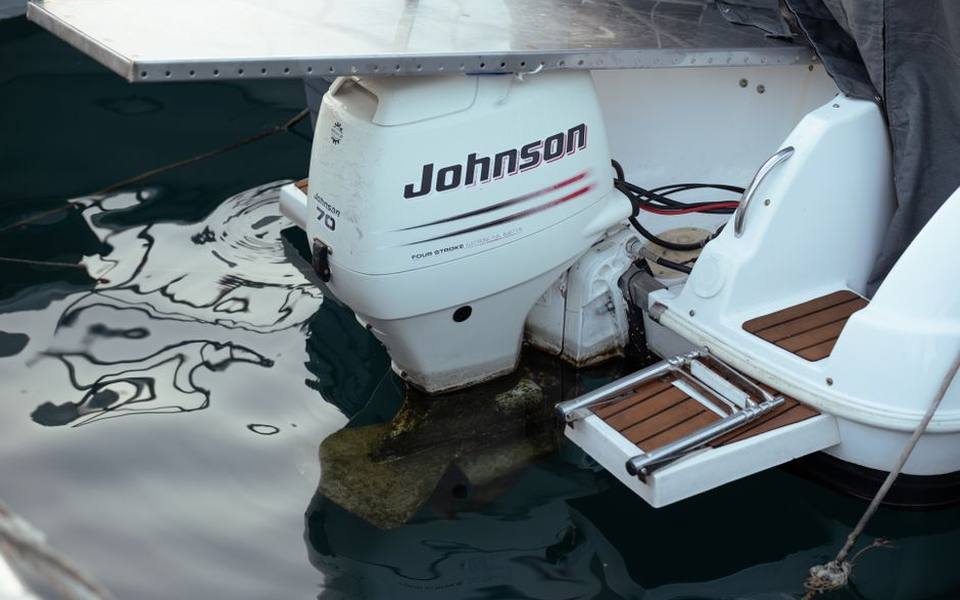
In the mid-tier horsepower bracket, Yamaha's four-cylinder engines, such as the widely deployed F150 and F200 platforms, utilize double overhead camshafts and tuned intake manifolds. These engines are known for dependable power curves that handle family outings and tournament angling alike. For performance-focused bass hulls and bay boats, the VMAX SHO lineup sheds weight by utilizing plasma-fused sleeveless cylinders instead of traditional steel sleeves, improving heat transfer while delivering responsive hole-shot performance.
Higher up the power spectrum, the 4.2-liter offshore V6 platform provides reliable mechanical simplicity without resorting to forced induction. Boaters who operate center console boats frequently favor these blocks because they run on standard octane fuel and feature user-friendly oil drain setups. Yamaha's Helm Master digital integration provides digital electric steering and joystick station keeping, though legacy mechanical cable controls remain available on many portable and mid-range configurations.
Suzuki Marine Motors: Gearing and Lean-Burn Technology
Suzuki marine motors have gained substantial market presence among saltwater anglers, commercial charters, and pontoon operators seeking strong low-end thrust. A defining engineering hallmark of Suzuki outboards is the two-stage gear reduction system. By placing the crankshaft forward of the driveshaft, Suzuki moves the center of gravity closer to the transom while allowing a larger final gear ratio in the lower unit. This allows the engine to swing a larger diameter propeller, creating superior bite in aerated or choppy water.
Another standout feature across the Suzuki lineup is the Lean Burn Control System. This onboard computer system continuously predicts fuel needs by monitoring engine operating parameters, speed, and ambient atmospheric conditions. In steady-state mid-range cruising speeds, the engine automatically leans out the air-fuel mixture, which typically delivers noticeable fuel savings on long runs compared to standard stoichiometric mapping. For long-distance offshore trips or extended days on the lake, this fuel management translates directly into lower operating expenses.
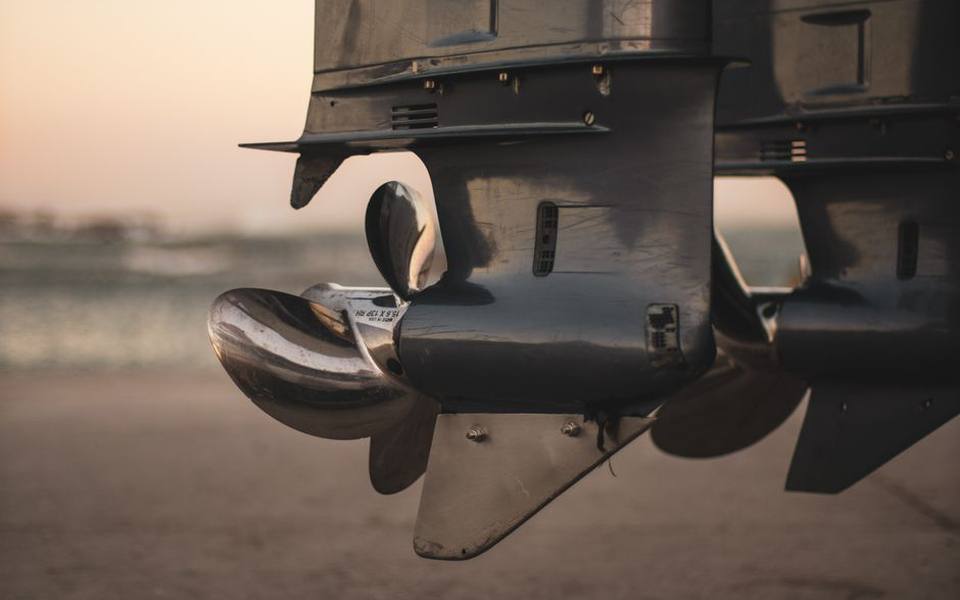
In the higher horsepower tiers, Suzuki introduced dual-propeller counter-rotating systems on their flagship V6 models. By dividing torque across two props spinning in opposite directions, the motor eliminates rotational steering torque while holding tracking lines steady in cross-currents and tight docking quarters. Suzuki engines also feature maintenance-free oil-bathed timing chains with automatic hydraulic tensioners rather than rubber timing belts, reducing long-term scheduled service requirements for owners.
Mercury Marine: Displacement and Digital Integration
Mercury Marine has taken a unique design path with its current generation of four-stroke outboards, emphasizing large engine displacement rather than high-revving turbocharging or complex valvetrains. In the commercial and recreational mid-range, Mercury uses naturally aspirated V6, V8, and V10 blocks that deliver substantial displacement relative to their rated horsepower. By spreading combustion forces across larger cubic-inch capacities, the engine produces immediate low-end torque while working less mechanically to hold cruising speeds.
Mercury's engineering emphasizes ease of routine maintenance for owners who prefer handling seasonal upkeep. Cowlings often incorporate top-access service doors that allow checking oil levels without removing the entire engine cover, alongside color-coded maintenance points and scannable service codes. Furthermore, Mercury outboards feature an Adaptive Speed Control system, which automatically maintains engine RPM regardless of changing water conditions, heavy passenger movement, or tight turns, reducing constant throttle adjustments.
From an electronic perspective, Mercury relies heavily on its SmartCraft digital network, connecting digital throttle and shift systems directly with vessel management screens. In repower projects, Mercury offers the option of using mechanical or digital controls across many mid-range outboards, giving owners flexibility depending on whether they wish to reuse existing helm rigging or invest in complete fly-by-wire digital conversions.
Matching Shaft Length, Weight, and Power to Your Boat
Selecting the proper outboard begins with the vessel's official U.S. Coast Guard maximum capacity plate, permanently affixed near the helm station. Exceeding this rating can compromise hull stability, stress the transom structure beyond engineering limits, and void insurance coverage. While modern four-strokes have become substantially lighter over recent design cycles, they may still carry more dry weight than older two-stroke units of identical horsepower, making transom weight limits a vital consideration on older hulls.
Shaft length must match transom height precisely to ensure proper cooling intake submersion and clean water flow across the propeller. Outboard shafts generally come in 20-inch (long), 25-inch (extra-long), and 30-inch (ultra-long) configurations, measured from the mounting bracket inside the transom clamp down to the anti-ventilation plate. If a shaft is too short, the propeller will cavitate, losing thrust and overheating the powerhead; if it sits too deep, excess lower unit drag reduces speed and creates unneeded transom strain.
Dry weight versus operational displacement matters significantly when repowering classic hulls designed in the 1980s or 1990s. Heavy four-stroke motors hanging off an older bracket can cause the stern to sit low at rest, allowing water into self-bailing scuppers or compromising reserve buoyancy. Always consult the original boat builder specifications or a qualified marine structural surveyor before mounting maximum-rated horsepower on an older fiberglass or aluminum hull.
Navigating the Market for Used Outboard Motors
The demand for pre-owned propulsion remains high as boaters seek economical repower solutions without buying brand-new showroom motors. When searching for used boat motors for sale, prospective buyers encounter two main sourcing channels: private individuals selling engines off dismantled hulls and established marine dealers handling trade-ins. While private sales sometimes feature lower upfront prices, purchasing through licensed used boat dealers generally provides verified maintenance documentation, clean title transfers, and occasionally short-term mechanical warranties.
Dealerships regularly acquire quality engines through repower programs where boat owners trade in running engines to upgrade to larger platforms or modern digital rigging. These units typically undergo a baseline intake inspection by a certified service technician before hitting the retail market. Finding pre-owned engines through established marine hubs also makes it easier to confirm that the motor was not removed from a submerged hull or sourced through insurance salvage channels.
When browsing listings for used outboard motors for sale, geographical history should play an active role in your decision. An engine that operated exclusively in freshwater northern lakes generally displays far less external hardware degradation and galvanic cooling passage corrosion than a unit run daily in shallow saltwater estuaries. However, cold-climate motors require proof of proper seasonal storage, as improper winter layups can result in cracked block castings from trapped freeze-thaw water.
Physical and Visual Inspections for Pre-Owned Engines
Before considering any mechanical testing, an in-person visual inspection reveals how an outboard was maintained throughout its working life. Start by removing the top cowling and inspecting the powerhead under direct light. Look for salt crusting around head gaskets, melted wire shielding, brittle rubber fuel lines, or signs of oil sweating around valve covers. Missing paint around fastener heads often indicates previous major teardowns, warranting an inquiry into past internal repairs.
Inspect the tilt and trim assembly, which operates under high hydraulic pressure and harsh environmental exposure. Fully cycle the trim rams up and down, checking the stainless steel shafts for pitting, deep scoring, or leaking hydraulic seals. Rust or corrosion on the trim motor casing can quickly lead to fluid penetration and complete electrical failure. Check the swivel bracket and steering arm bushings for physical play by firmly pushing the lower unit from side to side.
Move down to the gearcase to evaluate the skeg, propeller, and cavitation plate. A skeg ground down by sand or missing chunks of metal indicates frequent groundings, which can bend the internal propeller shaft or stress the drive gears. Remove the lower unit drain plug slightly to inspect a small drop of gear lube; milky, frothy oil points to a failed prop shaft seal or driveshaft seal that is admitting water into the gearbox.
Check the engine mounting bracket and serial number plate thoroughly to ensure the model identifier matches all associated sales paperwork. Scratched or missing serial tags are an immediate red flag that should halt any potential transaction.
Mechanical Testing: Compression, ECM Scans, and Fluids
A thorough mechanical inspection requires specific testing tools before you buy used outboard motor units from any seller. A cylinder compression test is fundamental: remove all spark plugs, connect a calibrated gauge, and crank the engine through several cycles with a fully charged battery. Compression values should sit within factory specifications, but more importantly, readings should not vary by more than roughly ten percent between cylinders. Uneven numbers often point to worn piston rings, scored cylinder walls, or leaking exhaust valves.
On electronically fuel-injected outboards, having a technician connect a diagnostic scanner to the Engine Control Module (ECM) is essential. This diagnostic readout delivers an exact log of true operating hours broken down into RPM operating brackets. It reveals whether an engine spent most of its life idling smoothly during fishing runs or running continuously at wide-open throttle under heavy loads. The diagnostic scan also exposes past overheat events, low oil pressure alerts, and active sensor fault codes stored in memory.
Finally, run the motor in a test tank or on a water hose with flushing muffs to verify cooling system performance. A strong, steady telltale water stream should establish immediately upon starting, remaining firm as the engine reaches operating temperature. Check that the thermostat opens smoothly by monitoring powerhead temperature with an infrared thermometer. Listen carefully for unusual metallic ticking or hollow knocking sounds that could indicate piston slap or connecting rod wear.
Rigging Compatibility, Helm Controls, and Conversion Costs
When purchasing a loose engine for a hull repower, the motor itself represents only part of the total investment. Helm rigging, steering systems, wiring harnesses, and instrument gauges must communicate seamlessly with the new powerhead. Switching from an older brand to a different manufacturer often requires replacing throttle binnacles, control cables, key switches, and digital gauge networks, which can add substantial expense to the final project.
Steering systems must also be evaluated against the torque output and weight of the replacement engine. Upgrading to a heavier, higher-output outboard typically requires transitioning from older mechanical push-pull cables to hydraulic or electro-hydraulic steering setups to ensure safe helm control. For owners seeking a full installation, working with established boat dealers with service and repair departments ensures that engine height, mounting holes, and transom backing plates are sealed and torqued correctly.
Propeller selection is the final critical step of the rigging process. An engine running an improperly pitched propeller will either over-rev past its redline or lug under load, causing internal pre-ignition and excessive carbon buildup. A reputable marine dealer with a dedicated parts department can calculate vessel weight and operating deadrise to match the ideal pitch, diameter, and blade count to your hull's performance envelope.
Finalizing the Purchase, Titles, and Baseline Service
Finalizing the acquisition of an outboard motor requires careful administrative diligence, especially in jurisdictions where engines carry separate titles from boat hulls. In many states, an outboard must be registered with its own title or formal manufacturer's certificate of origin, while other states track motors exclusively via a notarized bill of sale. Verify that the hull identification and engine serial numbers match every line on the title paperwork to prevent costly registration disputes later.
If you are trading in an older propulsion unit to offset the cost of your purchase, consulting businesses that specialize in boat trade-ins can simplify the transaction. Reputable dealers assess your existing running engine, verify its condition, and apply its value directly against the replacement unit, saving you the hassle of listing an uninstalled motor privately.
Once the engine is mounted on your transom, performing a baseline preventative service is the best way to start your ownership on solid footing. Regardless of seller assurances, replace the water pump impeller, engine oil, oil filter, gearcase lubricant, low-pressure fuel filters, and spark plugs before taking the boat out on open water. Establishing this documented baseline ensures peace of mind, reliable cooling, and many uninterrupted seasons on the water.
Published 2026-09-20 · reviewed with each rebuild, last September 2026.
Find boat dealers near you
The directory lists 7,311 boat dealers by state and city — pick your state or use the “Near me” button in the header.
More guides
-
 Storage
Boat Storage and Slip Costs: Dry Storage, Mooring, and Marina Rates Guide
-
 Money
MoneyHow Much Does a Boat Engine Cost? Complete Marine Motor Pricing Guide
-
 Buying
How Much Does a Pontoon Boat Cost to Buy or Rent?
-
 Service
Cosmetic Maintenance, Surface Repairs, and Deck Restorations: A Practical Marine Guide
-
 Owning
Marine Electrical Systems, Critical Hardware, and Modern Repower Planning
-
 Service
Essential Boat Mechanical Repairs: Managing Cables, Pumps, and Routine Service
-
 Owning
Understanding Your Boat's Plumbing, Fuel Systems, and Ownership Costs
-
 Owning
How to Handle Boat Registration, Title Transfers, and USCG Documentation
-
 Owning
Complete Off-Season Preparation: Storage Steps, Costs, and Protective Canvas
-
 Safety
The Essential Boating Safety Equipment Checklist, Education Guide, and Ownership Budgeting
-
 Money
MoneyUnderstanding Marine Loans: Rates, Terms, and Approval
-
 Buying
Center Console vs. Bowrider Boats: Layouts, Costs, and Finding the Right Fit
-
 Safety
How to Tow a Boat Safely and Maintain Trailer Wheel Bearings
-
 Buying
What Is a Marine Survey and How Much Does It Cost?
-
Buying
Yacht Buying, Chartering, and Brokerage Guide
-
Owning
Boat Trailers, Launching, and Ramp Etiquette Guide
-
Buying
Complete Used Boat Buying Guide: Valuations, Inspection, and Bill of Sale
-
Buying
The Complete Pontoon and Tritoon Guide: Layouts, Brands, and Ownership
-
Buying
Jon Boats and Small Aluminum Fishing Boats: Complete Buyer and Build Guide
-
Buying
Bass Boats and Freshwater Fishing Boats Buyer's Guide
-
Money
Navigating Boat Loans and Marine Financing: Rates, Loan Terms, and Monthly Payment Realities
-
Owning
Boat Clubs vs. Rentals and Charters: Which Waterway Option Fits You?
-
Service
The Complete Guide to Boat Maintenance, Winter Storage, and Mechanical Repairs
-
 Safety
Boating Safety Courses, Licenses, and Certification Guide
-
Buying
Catamarans Guide: Sailing, Power, Hobie, and Buying Options
-
Owning
Marine Batteries Buyer's Guide: Deep Cycle, Lithium, AGM, and Dual Purpose
-
Buying
Electric Trolling Motors: Complete Guide for Kayaks, Pontoons, and Fishing Boats
-
 Owning
Complete Boat Rental Guide: Destinations, Types, and Rates
-
 Service
Boat Fuel Systems and Injector Care: Tanks, Filters, and Cleaning
-
 Buying
Center Console Boats: Types, Construction, and Buying Guide
-
 Owning
Boat Docks, Lifts, and Flotation Systems: Complete Waterfront Guide
-
 Buying
A Complete Guide to Fishing Boats, Sonar Electronics, and Rod Rigging Systems
-
 Owning
Outboard Motors, Jack Plates, and Marine Propellers: The Complete Rigging Guide
-
 Buying
A Complete Guide to Boat Brands, Marine Brokers, and Finding the Right Dealer
-
 Money
MoneyBoat Insurance, Financing, and Title History Lookup: Complete Guide
-
 Buying
Small Boats, Kayaks, Canoes, and Inflatable Craft: Complete Buyer and Rigging Guide
-
 Owning
Marine Canvas, Bimini Tops, and Boat Covers: Selection and Care Guide
-
 Buying
Complete Guide to Boat Shows: Dates, Tickets, and Top US Events
-
 Owning
Boat Anatomy 101: Hull Parts, Steering Wheels, and Terminology