Prioritizing Marine Mechanical Upkeep and Service Schedules
Every vessel relies on a network of mechanical linkages, fluid circuits, and raw-water cooling systems that experience far more stress than automotive components. Moisture, constant vibration, and corrosive marine air steadily degrade control cables, rubber impellers, and electrical pump connections over time. Keeping a boat dependable requires recognizing the early symptoms of mechanical fatigue before an afternoon excursion ends on the hook of a commercial tow boat.
Differentiating between manageable dockside tasks and complex service jobs helps boaters balance their budget with seasonal peace of mind. While an afternoon oil extraction or bilge pump swap requires only basic hand tools and patience, pulling a stern drive or snaking cables through a cramped liner often warrants professional tooling. Knowing when to tackle maintenance yourself and when to schedule time with established boat dealers with service and repair departments prevents costly damage to surrounding fiberglass and mechanical assemblies.
Environmental conditions dictate how rapidly wear items reach the end of their functional lifespan. Vessels operating in shallow, sandy rivers or warm saltwater estuaries typically require more frequent impeller changes, cable lubrications, and zinc replacements than freshwater cruisers kept on protected lakes. By inspecting mechanical linkages each spring and reviewing basic system operations before launching, owners can address minor wear long before it turns into mid-season downtime.
Step-by-Step Throttle Cable Replacement and Pricing
Replacing a stiff or binding throttle cable begins at the helm control binnacle, where internal friction usually manifests as heavy resistance when shifting into gear. Before loosening anything, disconnect the vessel battery switch to prevent accidental ignition engagement or electrical shorts around the console wiring. Remove the binnacle cover plate, back out the mounting screws, and carefully photograph the internal linkage, pivot pins, and barrel retainers to ensure accurate reassembly later.
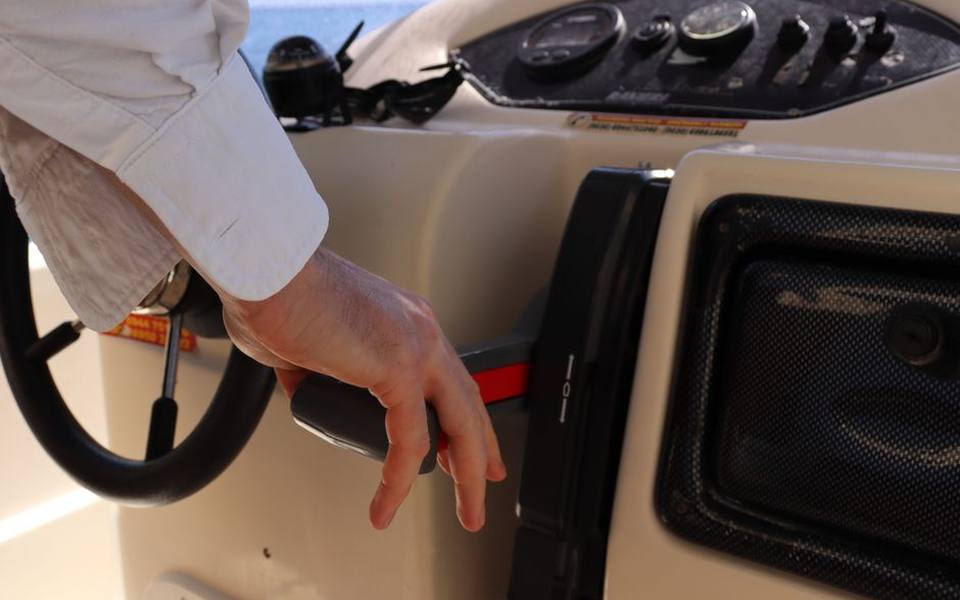
Once the cable end is unbolted from the throttle mechanism at the engine block, securely tie a durable messenger line or nylon pull string to the helm side of the old cable using heavy electrical tape. Pull the disconnected cable through the gunwale chase toward the bilge, allowing the string to snake through the existing rigging tubes without snagging. Fasten the replacement cable to your tracer line and gently guide it back through the hull toward the helm, maintaining smooth bends that never exceed the manufacturer radius limits.
Direct expenses for parts generally depend on overall cable run length, core construction, and whether low-friction premium cables are selected. Sourcing a direct-fit replacement through boat dealers with a parts department typically ranges between $35 and $85 per individual cable. If you choose to hire a marine mechanic, total throttle cable replacement cost typically ranges from $200 to $500 depending on interior gunwale access and whether twin controls must be synchronized simultaneously.
Before taking the vessel back onto the water, verify full throttle plate movement while the engine remains turned off. Ensure the throttle arm reaches wide-open stops without binding and drops cleanly back against the idle set screw when returned to neutral. Fine-tune barrel adjustments at the engine linkage bracket so gear engagement happens cleanly before engine revolutions ramp up, protecting the lower unit gear dog from premature wear.
Steering Cable Diagnostics and Replacement Expenses
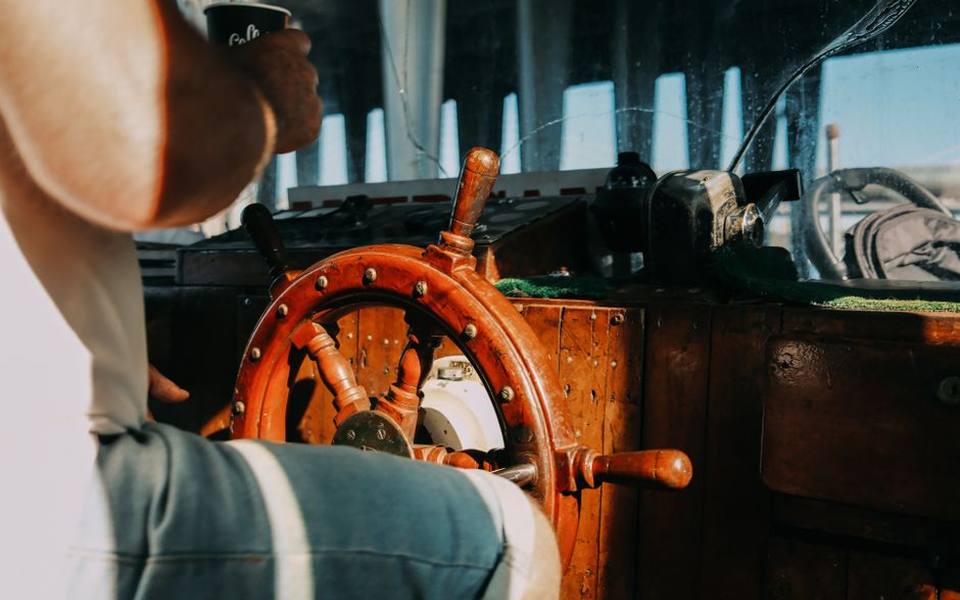
Mechanical steering cables endure massive rotational and push-pull loads, especially on outboard craft lacking hydraulic assist systems. Over time, internal grease hardens, moisture penetrates the outer jacket, and internal steel windings begin to corrode and fray inside the helm helm helm helm casing. If your steering wheel suddenly requires two hands to turn at cruising speeds, the internal helical core is seizing and immediate replacement is necessary to prevent catastrophic loss of directional control.
Accurate measurement is critical when sourcing a replacement mechanical steering cable. To calculate the correct replacement size, measure the plastic cable jacket length from end to end, add eighteen inches to account for the helm shaft travel, and round up to the nearest foot. Attempting to force an overly long steering cable creates sharp bends that cause internal binding, while a short cable cannot reach the transom tilt tube without putting excessive strain on the helm bezel.
Boat steering cable replacement cost typically falls between $250 and $650 when completed by a certified marine service technician. The mechanical cable assembly itself usually retails between $90 and $220, but labor rates vary based on console accessibility and whether the outboard engine needs unbolting to slide the tilt shaft out. Boaters evaluating pre-owned powerboats should check steering resistance immediately, as neglected steering assemblies frequently indicate deferred maintenance across the entire vessel.
Bilge Pump Troubleshooting and Installation
A functioning bilge pump system serves as your vessel first line of defense against deck runoff, shaft seal leaks, and hull breach hazards. If an automatic pump fails to activate during routine float switch testing, confirm electrical power at the fuse block before unmounting the unit. Corrosion on fuse spade terminals, failed inline float switches, and debris caught within the pump impeller chamber represent the vast majority of non-functioning dewatering failures encountered at the dock.
To replace a failed submersible bilge pump, release the retaining clips on the existing mounting basket or remove the stainless screws securing the base to the bilge stringer. Disconnect the corrugated discharge hose, checking for plastic dry rot or collapsed walls that restrict water discharge volume. Snip the primary power, ground, and automatic float switch wires several inches away from the old housing, leaving sufficient clean copper conductor wire intact for joining your new pump harness.
Always secure all wiring splices using adhesive-lined, heat-shrink marine butt connectors sealed with a dedicated heat gun rather than standard automotive crimps. Unsealed electrical splices inside a humid bilge oxidize rapidly, causing voltage drops that prevent the pump motor from reaching full discharge velocity. Test the manual console override switch and lift the mechanical float switch arm by hand to ensure instant activation before securing the discharge hose with double marine-grade stainless hose clamps.
Engine Cooling: Water Pump Impeller Service and Shop Labor
Marine engines utilize flexible rubber impellers to pump raw lake or sea water through cooling passages and heat exchangers. Unlike automotive coolant pumps driven by metallic internal impellers, marine rubber vanes flex continuously against an eccentric cam plate inside a stainless housing. If run dry for even thirty seconds on a boat ramp, the intense friction generates enough heat to melt the rubber blades, sending loose fragments deep into the cylinder head cooling jackets.
The standard labor cost for water pump replacement on an outboard or stern drive typically spans between $150 and $400 depending on shop rates and corrosion conditions. Performing the repair requires dropping the lower gearcase, disconnecting the shift shaft linkage, and lifting out the upper water pump housing. While replacement impeller rebuild kits generally cost only $40 to $120, seizing lower unit casing bolts can substantially increase shop time if threads must be extracted and re-tapped.
Preventive replacement of water pump impellers should occur every two to three seasons or whenever water pressure gauges indicate an irregular drop at cruising speeds. Routine inspection during annual seasonal winterization procedures allows technicians to identify cracked or permanently curved vanes before spring launch. When reinstalling an impeller into its housing, coat the rubber vanes with water-soluble glycerin lubricant to ensure frictionless spinning during initial engine startup.
Stern Drive Gimbal Bearing Maintenance and Overhaul
Inboard/outboard stern drives incorporate a heavy-duty gimbal bearing housed within the transom assembly to support the spinning drive shaft while permitting steering and trim movement. When the protective rubber drive bellows tears, water penetrates the transom cavity and washes away the bearing protective grease. A failing gimbal bearing generates a distinct, low-frequency growl or vibration that amplifies noticeably when the helm is turned hard over under engine load.
Replacing a worn gimbal bearing requires uncoupling the stern drive lower unit from the transom bell housing. A specialized blind-hole slide hammer or mechanical bearing puller is inserted into the inner race to draw the unit out of the aluminum casting. Before driving a replacement bearing into position, mechanics inspect the universal joints for play and use a precision alignment tool inserted through the bearing into the engine coupler to verify correct driveline angle.
A typical gimbal bearing replacement cost ranges from $450 to $1,100 depending on whether associated drive bellows, shift cables, and universal joint seals are replaced at the same time. The bearing part alone often costs between $60 and $130, but total labor usually requires three to five shop hours. Because pulling the stern drive requires specialized alignment dowels and heavy lifting gear, many boaters prefer delegating this overhaul to an experienced marine dealer.
Routine Engine Care: Performing a Marine Oil Change
Marine inboard and stern drive engines differ fundamentally from automotive engines because they sit low in the bilge without clearance for a standard oil pan drain plug. Rather than crawling underneath to pull a plug, boat owners use a manual vacuum pump or electric 12-volt fluid extractor to draw used crankcase oil out through the dipstick tube. This mess-free vacuum approach prevents oily bilge water accumulation and keeps engine stringers completely clean during routine maintenance.
Before beginning an oil change, run the marine engine on water muffs or at the slip for several minutes until coolant reaches operating temperature. Warm motor oil thins considerably, allowing extraction tubes to pull suspended sludge and particulates out of the pan bottom with minimal resistance. Insert the extractor probe down the dipstick guide until it contacts the bottom of the oil pan, then pump the reservoir handle to establish continuous suction into the collection canister.
Spin off the old engine oil filter, taking care to wrap a heavy plastic zip-top bag around the canister to catch residual spillage before unthreading it completely. Smear a light film of fresh crankcase oil over the rubber gasket of the new filter and hand-tighten it securely against the mounting bracket. Fill the engine with the manufacturer-recommended viscosity marine 4-stroke oil, run the motor briefly to pressurize the filter, and confirm accurate oil height on the dipstick.
Budgeting for Marine Fuel and Marina Surcharges
Fueling a vessel presents unique considerations regarding chemical stability, octane ratings, and pricing structures between roadside stations and on-water fuel docks. While standard road vehicles utilize fuels with up to ten or fifteen percent ethanol, marine systems suffer severe phase separation when ethanol absorbs ambient moisture from humid marine air. Consequently, recreational boaters actively seek ethanol-free recreational fuel to safeguard carburetors, fuel injectors, and internal rubber fuel lines from corrosion.
The prevailing marine gas price at local marinas typically carries a noticeable premium over standard street fuel. Depending on regional delivery logistics, environmental compliance permits, and marina overhead, marine fuel prices typically sit anywhere from $0.70 to $1.60 higher per gallon than local street pumps. Marinas invest substantial capital in spill containment systems, floating fuel dispensers, and commercial insurance policies, costs that are necessarily built into their dockside per-gallon fuel pricing.
Owners of trailerable boats can lower annual operational costs by purchasing ethanol-free fuel at inland gas stations before heading down to the public boat ramp. However, owners of larger cruisers docked permanently in wet slips must budget realistically for marina pricing. Maintaining clean fuel water-separating filters and keeping tanks near full during idle weeks minimizes internal tank condensation, extending the operational life of expensive electronic fuel injection pumps.
Docking Enhancements: Bow Thrusters and Floating Dock Systems
Handling larger vessels in close-quarters marinas can challenge even seasoned helmsmen during crosswinds and opposing tidal currents. Retrofitting an electric bow thruster dramatically improves dockside maneuverability by providing instantaneous lateral thrust at the push of a joystick. However, completing a bow thruster installation requires skilled fiberglass fabrication to graft a structural tube directly through the forward hull, along with dedicated high-amperage battery banks and heavy cabling.
A typical bow thruster installation cost generally ranges from $6,500 to $14,000 for mid-sized cruisers, heavily weighted toward professional shop labor and hull preparation. The mechanical thruster unit, joystick helm controls, and specialized AGM batteries comprise roughly half the total expense, while structural fiberglass laminating and finish gelcoat fairing require specialized marine carpentry. Despite the substantial initial outlay, bow thrusters significantly reduce docking stress and protect hull topsides from expensive slip collisions.
For owners with waterfront property or private slips, modular floating dock platforms provide convenient dry-berthing without requiring mechanical boat lifts. Assessing overall modular floating dock systems, including popular options like an EZ Dock system, reveals that total setup costs depend heavily on vessel dimensions and anchorage hardware. A basic floating drive-on port for personal watercraft or small runabouts typically costs between $2,000 and $5,500, whereas larger modular layouts for full-sized powerboats often range from $7,000 to $15,000 including heavy galvanized piling brackets and transition gangways.
Navigating Vessel Registration and State Compliance
Every motorized vessel operating on public waters must carry valid legal documentation to comply with state navigation laws and Coast Guard mandates. When learning how to register a boat, the first step is gathering documentation from the seller, including a notarized bill of sale, the original manufacturer statement of origin or title, and proof of paid sales tax. Unregistered watercraft risk hefty municipal fines and can be denied slip rental access by licensed marina operators.
State natural resource agencies or departments of motor vehicles assign a specific registration number and issue validation decals once the application paperwork is processed. In most states, registration fees are structured incrementally based on overall hull length, with renewable terms lasting either one or three years. Remember that boat trailers require distinct vehicle registration plates, separate state titles, and independent road safety inspections before towing on public highways.
Upon receiving your official state documentation, affix the assigned alphanumeric characters along both sides of the forward hull bow in plain block letters at least three inches high. Contrast with the hull background color is legally required, with validation decals positioned within six inches of the numbers according to state rules. Keep a waterproof copy of your vessel registration certificate onboard in an accessible glove compartment or dry bag whenever underway.
Published 2026-09-20 · reviewed with each rebuild, last September 2026.
Find boat dealers near you
The directory lists 7,311 boat dealers by state and city — pick your state or use the “Near me” button in the header.
More guides
-
 Storage
Boat Storage and Slip Costs: Dry Storage, Mooring, and Marina Rates Guide
-
 Money
MoneyHow Much Does a Boat Engine Cost? Complete Marine Motor Pricing Guide
-
 Buying
How Much Does a Pontoon Boat Cost to Buy or Rent?
-
 Service
Cosmetic Maintenance, Surface Repairs, and Deck Restorations: A Practical Marine Guide
-
 Owning
Marine Electrical Systems, Critical Hardware, and Modern Repower Planning
-
 Owning
Understanding Your Boat's Plumbing, Fuel Systems, and Ownership Costs
-
 Owning
How to Handle Boat Registration, Title Transfers, and USCG Documentation
-
 Owning
Complete Off-Season Preparation: Storage Steps, Costs, and Protective Canvas
-
 Safety
The Essential Boating Safety Equipment Checklist, Education Guide, and Ownership Budgeting
-
 Money
MoneyUnderstanding Marine Loans: Rates, Terms, and Approval
-
 Buying
Center Console vs. Bowrider Boats: Layouts, Costs, and Finding the Right Fit
-
 Safety
How to Tow a Boat Safely and Maintain Trailer Wheel Bearings
-
 Buying
What Is a Marine Survey and How Much Does It Cost?
-
Buying
Yacht Buying, Chartering, and Brokerage Guide
-
Owning
Boat Trailers, Launching, and Ramp Etiquette Guide
-
Buying
Complete Used Boat Buying Guide: Valuations, Inspection, and Bill of Sale
-
Buying
The Complete Pontoon and Tritoon Guide: Layouts, Brands, and Ownership
-
Buying
Jon Boats and Small Aluminum Fishing Boats: Complete Buyer and Build Guide
-
Buying
Bass Boats and Freshwater Fishing Boats Buyer's Guide
-
Buying
Outboard Motors Guide: Yamaha, Suzuki, Mercury Specs and Used Buying
-
Money
Navigating Boat Loans and Marine Financing: Rates, Loan Terms, and Monthly Payment Realities
-
Owning
Boat Clubs vs. Rentals and Charters: Which Waterway Option Fits You?
-
Service
The Complete Guide to Boat Maintenance, Winter Storage, and Mechanical Repairs
-
 Safety
Boating Safety Courses, Licenses, and Certification Guide
-
Buying
Catamarans Guide: Sailing, Power, Hobie, and Buying Options
-
Owning
Marine Batteries Buyer's Guide: Deep Cycle, Lithium, AGM, and Dual Purpose
-
Buying
Electric Trolling Motors: Complete Guide for Kayaks, Pontoons, and Fishing Boats
-
 Owning
Complete Boat Rental Guide: Destinations, Types, and Rates
-
 Service
Boat Fuel Systems and Injector Care: Tanks, Filters, and Cleaning
-
 Buying
Center Console Boats: Types, Construction, and Buying Guide
-
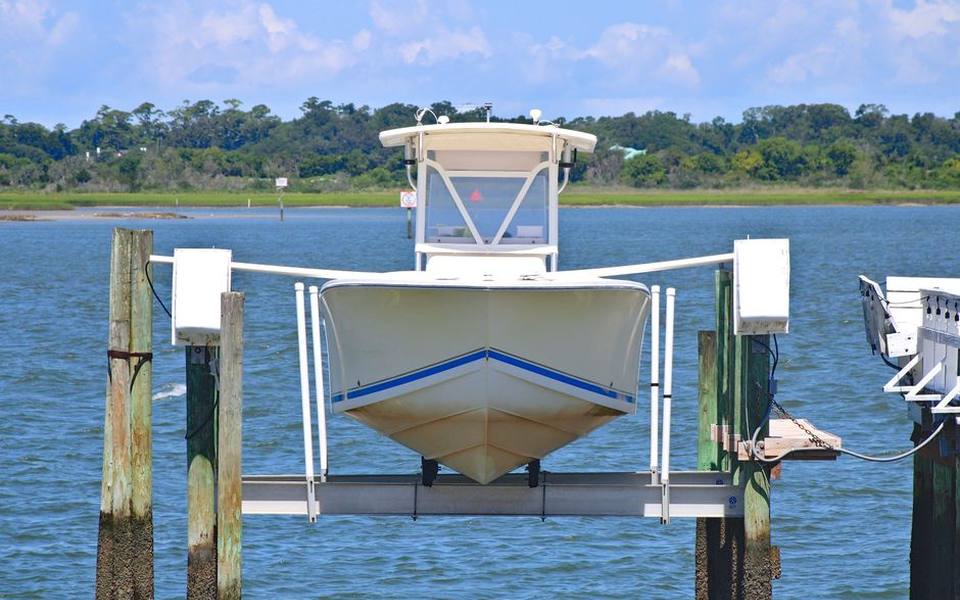 Owning
Boat Docks, Lifts, and Flotation Systems: Complete Waterfront Guide
-
 Buying
A Complete Guide to Fishing Boats, Sonar Electronics, and Rod Rigging Systems
-
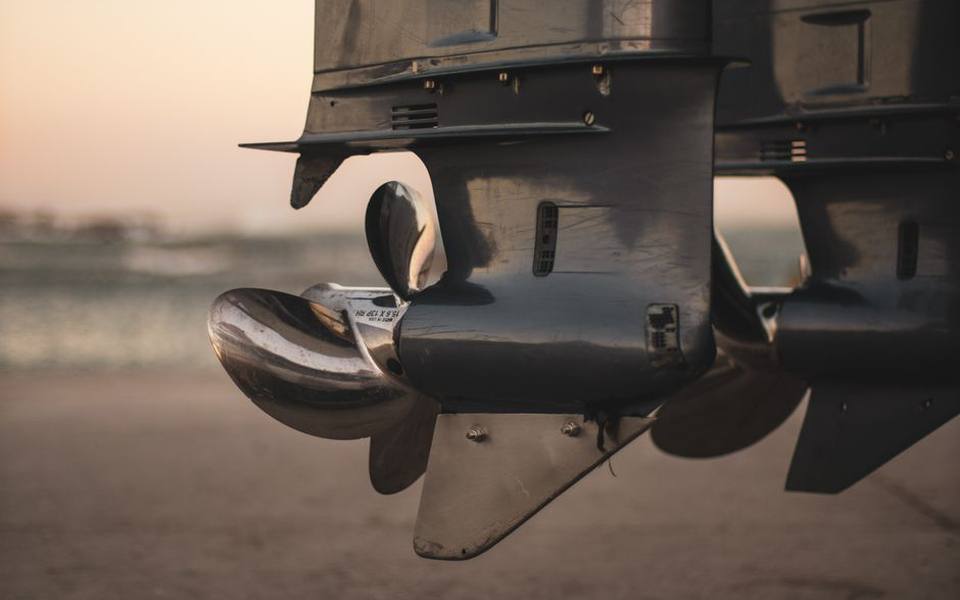 Owning
Outboard Motors, Jack Plates, and Marine Propellers: The Complete Rigging Guide
-
 Buying
A Complete Guide to Boat Brands, Marine Brokers, and Finding the Right Dealer
-
 Money
MoneyBoat Insurance, Financing, and Title History Lookup: Complete Guide
-
 Buying
Small Boats, Kayaks, Canoes, and Inflatable Craft: Complete Buyer and Rigging Guide
-
 Owning
Marine Canvas, Bimini Tops, and Boat Covers: Selection and Care Guide
-
 Buying
Complete Guide to Boat Shows: Dates, Tickets, and Top US Events
-
 Owning
Boat Anatomy 101: Hull Parts, Steering Wheels, and Terminology