The Fundamentals of State Titling and Marine Registration
Handling marine paperwork starts with understanding the clear separation between a certificate of title and a vessel registration. A title serves as legal proof of ownership, identifying who owns the hull and highlighting any active financial liens recorded against it. Registration, by contrast, gives you operational privileges on public waterways, granting state validation decals and the vessel numbers that must be displayed on both sides of the bow.
Nearly every state requires registration for motorized watercraft, regardless of engine size, while non-motorized vessels like canoes or small kayaks are often exempt. Titling regulations vary across jurisdictions; roughly three dozen states issue separate certificates of title for boats, while others rely solely on bills of sale and registration certificates to trace historical ownership. Determining which system your state uses is essential before initiating any private or dealer transaction.
When purchasing through new boat dealers, the dealer typically prepares the initial paperwork directly using the manufacturer statement of origin. Private transactions, however, place the administrative burden entirely on the buyer and seller. Failing to secure the properly assigned title before handing over funds can prevent you from legally operating the boat or obtaining insurance coverage.
Completing a Private Boat Title Transfer Without Complications
Learning how to transfer a boat title smoothly comes down to verifying signatures, checking for existing liens, and confirming that the hull identification number matches the document perfectly. Both the seller and buyer must print and sign their legal names in the designated assignment block on the back of the physical title. Any scratch-outs, white-out corrections, or mismatched names will almost certainly cause the state licensing agency to reject the application.
Before finalizing the purchase, inspect the front of the title for listed lienholders, such as a marine lender or credit union. If an active lien appears, the seller must provide an official lien release letter or a stamped title showing the balance has been satisfied. Buyers should also draft a comprehensive bill of sale stating the vessel make, model year, hull identification number, agreed purchase price, and date of transaction.
Once the paperwork is signed, the buyer generally has a grace period—typically between thirty and forty-five days, depending on local regulations—to submit the transfer packet to the local licensing bureau, tax assessor, or state department of natural resources. Along with the title, expect to pay applicable transfer fees and state sales or use tax based on the declared sale value.
If you are acquiring a pre-owned vessel through used boat dealers, their finance office normally processes the title reassignment on your behalf, providing temporary operating documentation while the state prints your updated title.
Keeping Your Registration Current and Renewing Online
Vessel registrations must be renewed periodically to maintain active operating status, with validation periods typically lasting one, two, or three years depending on your home state. Operating an unregistered craft can lead to local water patrol citations, impoundment, or complications during routine safety inspections. Fortunately, understanding how to renew boat registration has become simpler as state natural resource divisions modernize their administration.
Boaters often wonder: can I renew my boat registration online? In most states, the answer is yes, provided there are no changes to the registered owner's name, primary address, or vessel hull configuration. Licensing portals allow owners to look up their record using their existing registration number, hull identification number, and primary identification details.
When discovering how to renew boat registration online through your state agency, you will verify contact information, confirm the vessel's primary mooring county, and pay the renewal fee via electronic payment. Once approved, the state mails physical adhesive decals to your home address, while many portals generate an immediate temporary registration certificate that you can print and carry aboard until the permanent decals arrive in the mail.
If your registration has lapsed for several seasons, or if you recently relocated from another state, online processing might be disabled. In those circumstances, visiting a county licensing office in person with your existing title and proof of residency is usually required to reactivate the vessel record.
Understanding USCG Documentation for Larger Watercraft
A common point of confusion among new and experienced boaters is what is a USCG documented vessel and how it differs from ordinary state registration. Federal vessel documentation is a national form of registration administered by the National Vessel Documentation Center, an agency of the United States Coast Guard. Unlike state titles, documentation establishes a federal record of ownership, provides an unbroken chain of title, and grants clear identification when entering foreign waters.
To qualify for USCG documentation, a vessel must measure at least five net tons, which is a calculation of volume rather than displacement weight; most boats measuring twenty-six feet or greater naturally meet this threshold. In addition, the vessel must be wholly owned by United States citizens. Once documented, the vessel receives an official number that must be permanently affixed to an interior structural component of the hull.
Federal documentation preempts state titling, meaning a documented vessel does not carry a state certificate of title. However, boaters should know that most coastal states still require documented vessels to comply with local registration laws. You will still pay state waterway use fees and display a state validation decal, though you do not apply state registration numbers to the exterior bow.
Documented status must be renewed annually or multi-annually directly through the National Vessel Documentation Center. Keeping this certification updated is critical, particularly because maritime law treats the Certificate of Documentation as the primary evidence of vessel nationality and merchant legal status.
Financing Calculations and Managing Preferred Ship Mortgages
When purchasing an expensive cruiser, sportfisher, or yacht, maritime lenders often require federal documentation so they can file a Preferred Ship Mortgage. This specialized lien gives the lender a primary legal claim under federal admiralty law, offering stronger protection than a standard state-recorded lien. Understanding your borrowing commitment early helps you determine whether federal documentation makes practical sense for your purchase.
Prospective buyers typically use a boat payment calculator to estimate their monthly commitments across varying loan structures. Marine loans differ from standard automotive financing, often featuring extended repayment terms ranging from ten to twenty years. Inputting purchase amounts, down payment totals, and interest rates into a boat loan calculator payment tool helps clarify the real carrying cost of ownership before approaching a loan officer.
Working through a specialized boat mortgage payment calculator allows you to model amortizations for larger vessels that carry preferred mortgages. Lenders typically look for down payments between ten and twenty percent, along with proof of vessel valuation via an independent marine survey. Exploring options through marine financing specialists can help match the vessel's documentation status with loan requirements.
Once a loan is satisfied, securing the formal Satisfaction of Mortgage from the lender is essential. For state-titled boats, this release goes to the DMV; for documented vessels, the release must be formally recorded with the National Vessel Documentation Center to clear the federal abstract of title.
Outboard vs Inboard Engines and Their Titling Impact
The mechanical layout of your boat can significantly influence the paperwork you must process with your state authority. When comparing outboard vs inboard configurations, the titling rules differ sharply depending on where you register. Inboards and sterndrives are treated as permanent, integrated components of the vessel hull, meaning a single title covers both the boat and the powertrain.
Outboards, on the other hand, are detachable propulsion units. Several states—such as Texas, South Carolina, Missouri, and Ohio—mandate separate certificates of title for outboard motors above a specific horsepower threshold. If you buy a boat in one of these states with twin or triple outboards, you may leave the transaction with a boat title, a trailer title, and multiple independent motor titles.
Neglecting motor paperwork during a sale can create severe titling delays later. Buyers must ensure that the serial numbers stamped on the engine brackets match the corresponding numbers on the motor titles. If an engine was replaced during past ownership without updating state records, the new owner may have to track down prior owners or obtain bonded titles.
Maintaining these mechanical records is equally vital for scheduled maintenance. Reliable facilities listed among dealers with service departments regularly verify motor serial numbers when ordering genuine parts, ensuring warranty registrations and service histories align with active ownership records.
Commercial Maritime Credentials and Licensing Costs
Owners who plan to use their documented or state-registered vessels for commercial activities—such as guided fishing charters, harbor tours, or private passenger excursions—must carry an appropriate merchant mariner credential issued by the Coast Guard. Operating a commercial passenger vessel without an authorized master aboard violates federal maritime law and immediately voids marine liability insurance policies.
When planning for this career step, understanding the overall captain's license cost involves looking beyond basic tuition fees. The entry-level credential, known as the Operator of Uninspected Passenger Vessels (OUPV or "six-pack" license), allows you to carry up to six paying passengers. Course tuition typically ranges from six hundred to nine hundred dollars depending on whether you study online or in a classroom.
Additional credentialing expenses add up quickly. Candidates must budget for an official Department of Transportation marine physical exam, a mandatory five-panel drug screen, first aid and CPR certification, and application processing fees paid directly to the Coast Guard. You will also need a Transportation Worker Identification Credential (TWIC) card issued by the federal government.
In total, obtaining an entry-level master or OUPV license typically requires an investment between one thousand and fifteen hundred dollars, alongside documented sea service time. Maintaining this credential requires renewal every five years, ensuring that operators remain medically qualified and professionally up to date on federal navigational rules.
Waterfront Infrastructure and Marine Electrical Demands
Managing vessel ownership often extends to the shoreside infrastructure where your boat is moored. Modern boaters are increasingly combining waterfront living with electric vehicles, modern shore-power pedestals, and electric dinghies or tenders. Adapting home docks or private boathouses to support high-amperage continuous loads requires careful electrical planning and local permitting.
Many property owners inquire about the cost installing electric car charging point systems near their waterfront driveways or boat garages. Adding a Level 2 dedicated charger typically costs between eight hundred and two thousand dollars, depending on the distance from the main breaker panel, trenching requirements, and whether the home's service panel needs an amperage upgrade.
Running high-voltage electrical circuits close to water necessitates strict adherence to the National Electrical Code to prevent electric shock drowning. GFCI breakers, marine-grade corrosion-resistant conduits, and isolated grounding systems are mandatory for any dockside power distribution. Whether you are charging an electric tow vehicle or powering battery chargers on a cruiser, proper shore installations protect both swimmers and your boat's underwater running gear from stray current galvanic corrosion.
If your private dock lacks sufficient service for heavy battery charging, local marinas and full-service yards often provide managed slips with metered power connections, offering a safe intermediary solution while shore upgrades are engineered.
Private Gatherings, Charter Regulations, and Event Costs
Vessels often serve as memorable platforms for private celebrations, milestone family events, and intimate weddings. However, hosting gatherings on the water introduces legal distinctions that every vessel owner must recognize. When an owner hosts friends for a celebration, the voyage remains recreational, but the moment money changes hands or tickets are sold, the boat falls under commercial passenger charter regulations.
Couples frequently weigh the venue cost wedding packages at traditional onshore event spaces against chartering a commercial yacht or documented passenger vessel. A land-based venue rental typically costs several thousand dollars for space alone, whereas chartering an inspected passenger vessel often combines venue, dynamic scenery, crew, and catering into a unified hourly or flat-day package.
If you decide to host an event on a privately owned boat rather than chartering a certified commercial craft, passenger capacity must strictly adhere to the manufacturer capacity plate or USCG safety limits. Overloading a deck during an event creates significant capsizing risks and can lead to severe civil liability if an incident occurs.
For private vessels chartered under bareboat agreements, where the charterer hires the vessel and independently selects a licensed captain, rigorous federal guidelines govern the contract. Understanding these rules ensures your event remains legally compliant, fully covered by marine underwriters, and safe for all guests aboard.
Working with Marine Dealerships to Streamline Documentation
Navigating the paperwork landscape across state titles, county tax offices, trailer registrations, and Coast Guard documentation can feel daunting. This administrative complexity is one reason many buyers turn to professional dealerships when acquiring or trading a watercraft. Established dealers employ title clerks who handle paperwork daily, ensuring all documents are filed accurately and on schedule.
Dealership staff verify hull identification numbers, execute clean title reassignments, process lien releases on traded craft, and collect mandatory state sales taxes. This assistance prevents the frustrating delays that often arise when private buyers submit incomplete title applications or fail to account for separate outboard motor registrations in states where they are required.
In addition, dealers can facilitate introductions to reputable marine documentation agents who specialize in federal vessel records. If you are financing a larger boat through a marine lender, these specialists coordinate directly with the National Vessel Documentation Center, ensuring the mortgage is recorded properly before you take delivery.
Whether you are transferring a basic aluminum fishing boat or managing federal documentation for an offshore cruiser, taking time to organize your titles, bills of sale, and registrations guarantees that your investment remains legally protected and ready for trouble-free days on the water.
Published 2026-09-20 · reviewed with each rebuild, last September 2026.
Find boat dealers near you
The directory lists 7,311 boat dealers by state and city — pick your state or use the “Near me” button in the header.
More guides
-
 Storage
Boat Storage and Slip Costs: Dry Storage, Mooring, and Marina Rates Guide
-
 Money
MoneyHow Much Does a Boat Engine Cost? Complete Marine Motor Pricing Guide
-
 Buying
How Much Does a Pontoon Boat Cost to Buy or Rent?
-
 Service
Cosmetic Maintenance, Surface Repairs, and Deck Restorations: A Practical Marine Guide
-
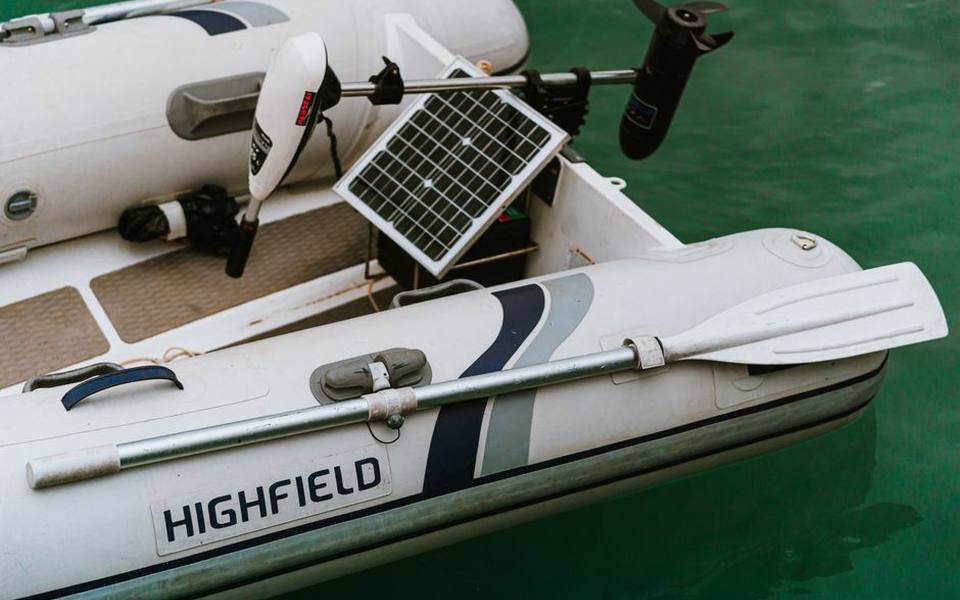 Owning
Marine Electrical Systems, Critical Hardware, and Modern Repower Planning
-
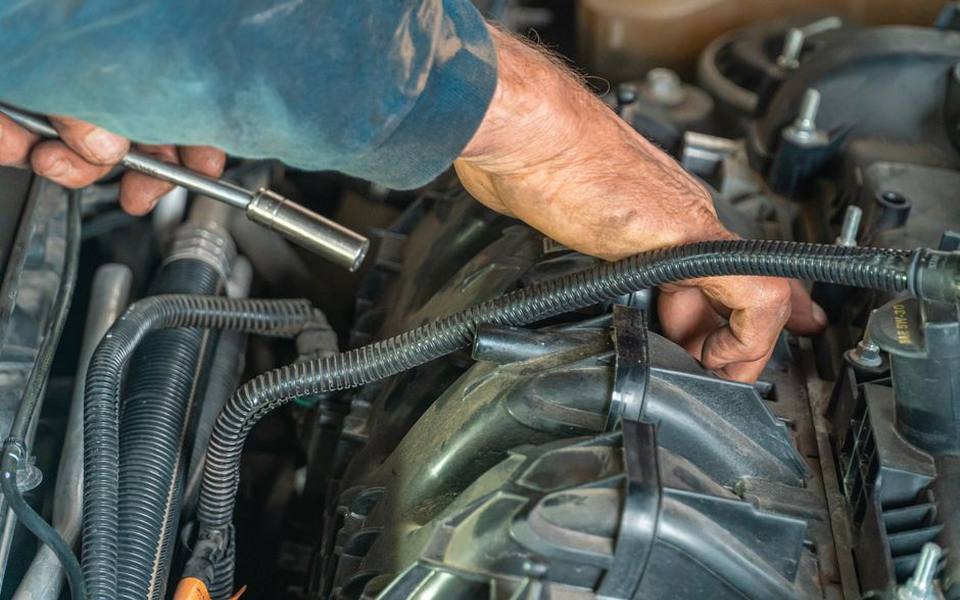 Service
Essential Boat Mechanical Repairs: Managing Cables, Pumps, and Routine Service
-
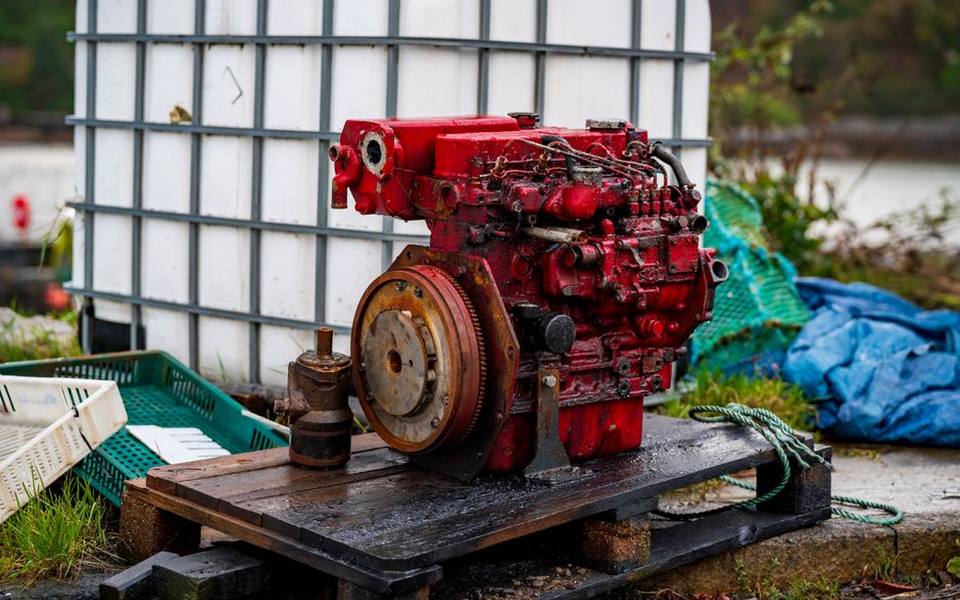 Owning
Understanding Your Boat's Plumbing, Fuel Systems, and Ownership Costs
-
 Owning
Complete Off-Season Preparation: Storage Steps, Costs, and Protective Canvas
-
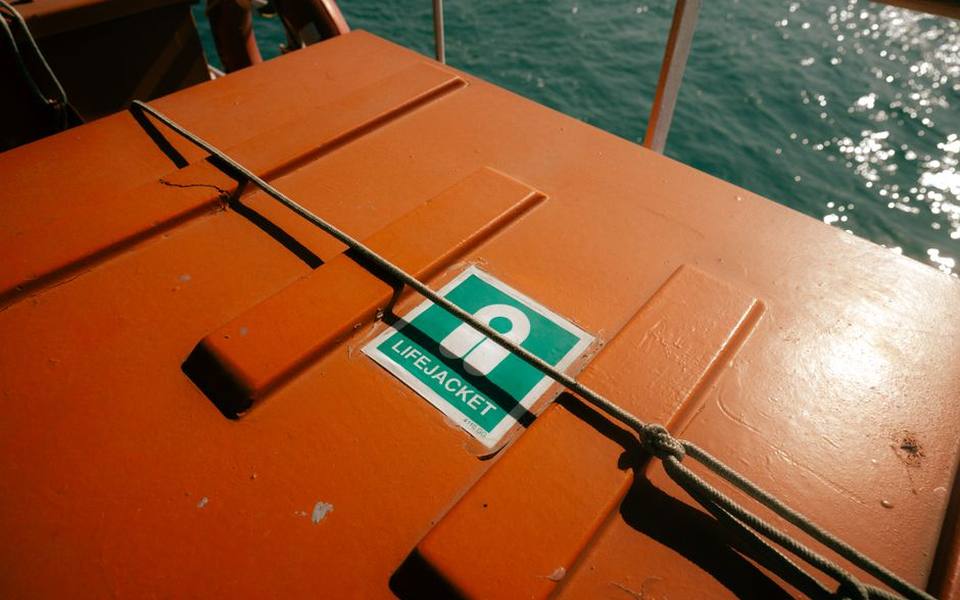 Safety
The Essential Boating Safety Equipment Checklist, Education Guide, and Ownership Budgeting
-
 Money
MoneyUnderstanding Marine Loans: Rates, Terms, and Approval
-
 Buying
Center Console vs. Bowrider Boats: Layouts, Costs, and Finding the Right Fit
-
 Safety
How to Tow a Boat Safely and Maintain Trailer Wheel Bearings
-
 Buying
What Is a Marine Survey and How Much Does It Cost?
-
Buying
Yacht Buying, Chartering, and Brokerage Guide
-
Owning
Boat Trailers, Launching, and Ramp Etiquette Guide
-
Buying
Complete Used Boat Buying Guide: Valuations, Inspection, and Bill of Sale
-
Buying
The Complete Pontoon and Tritoon Guide: Layouts, Brands, and Ownership
-
Buying
Jon Boats and Small Aluminum Fishing Boats: Complete Buyer and Build Guide
-
Buying
Bass Boats and Freshwater Fishing Boats Buyer's Guide
-
Buying
Outboard Motors Guide: Yamaha, Suzuki, Mercury Specs and Used Buying
-
Money
Navigating Boat Loans and Marine Financing: Rates, Loan Terms, and Monthly Payment Realities
-
Owning
Boat Clubs vs. Rentals and Charters: Which Waterway Option Fits You?
-
Service
The Complete Guide to Boat Maintenance, Winter Storage, and Mechanical Repairs
-
 Safety
Boating Safety Courses, Licenses, and Certification Guide
-
Buying
Catamarans Guide: Sailing, Power, Hobie, and Buying Options
-
Owning
Marine Batteries Buyer's Guide: Deep Cycle, Lithium, AGM, and Dual Purpose
-
Buying
Electric Trolling Motors: Complete Guide for Kayaks, Pontoons, and Fishing Boats
-
 Owning
Complete Boat Rental Guide: Destinations, Types, and Rates
-
 Service
Boat Fuel Systems and Injector Care: Tanks, Filters, and Cleaning
-
 Buying
Center Console Boats: Types, Construction, and Buying Guide
-
 Owning
Boat Docks, Lifts, and Flotation Systems: Complete Waterfront Guide
-
 Buying
A Complete Guide to Fishing Boats, Sonar Electronics, and Rod Rigging Systems
-
 Owning
Outboard Motors, Jack Plates, and Marine Propellers: The Complete Rigging Guide
-
 Buying
A Complete Guide to Boat Brands, Marine Brokers, and Finding the Right Dealer
-
 Money
MoneyBoat Insurance, Financing, and Title History Lookup: Complete Guide
-
 Buying
Small Boats, Kayaks, Canoes, and Inflatable Craft: Complete Buyer and Rigging Guide
-
 Owning
Marine Canvas, Bimini Tops, and Boat Covers: Selection and Care Guide
-
 Buying
Complete Guide to Boat Shows: Dates, Tickets, and Top US Events
-
 Owning
Boat Anatomy 101: Hull Parts, Steering Wheels, and Terminology