Matching Your Boat to the Right Trailer Setup
A reliable day on the water begins long before you reach the shoreline, starting with a properly matched trailer and tow vehicle. Safe trailering depends entirely on respecting gross vehicle weight ratings, calculating accurate tongue weight, and ensuring your hull rests evenly across the bunks or rollers. An undersized trailer risks structural fatigue and tire blowout, while an improperly balanced rig creates dangerous sway on the highway.
When purchasing a complete rig or browsing boats for sale in stock, inspect the trailer data plate to verify the gross axle weight rating matches your vessel when fully fueled and loaded with gear. The dry weight listed in boat brochures does not account for batteries, coolers, fuel, or safety equipment, which easily add hundreds of pounds. In most setups, your tongue weight should sit between five and ten percent of the total package weight to maintain vehicle steering stability.
Trailer materials also dictate where and how long your equipment will hold up. Painted steel trailers suit freshwater lakes and offer rigidity at a lower price point, but they deteriorate rapidly in brackish or saltwater environments. Hot-dipped galvanized steel and marine-grade aluminum resist corrosion significantly better, making them the standard choice for coastal bays and tidal rivers. Selecting the right frame material early prevents costly frame repairs and premature replacement down the road.
Understanding Core Trailer Components and Hardware
A boat trailer is an intricate system of mechanical assemblies designed to survive repetitive submersion in water and continuous road vibration. The structural foundation relies on crossmembers, suspension springs or torsion axles, and support surfaces tailored to your hull design. Roller trailers allow easy launching in shallow water or on tidal ramps, whereas bunk trailers offer superior hull support during long highway trips by distributing vessel weight along wide marine-carpeted timbers.
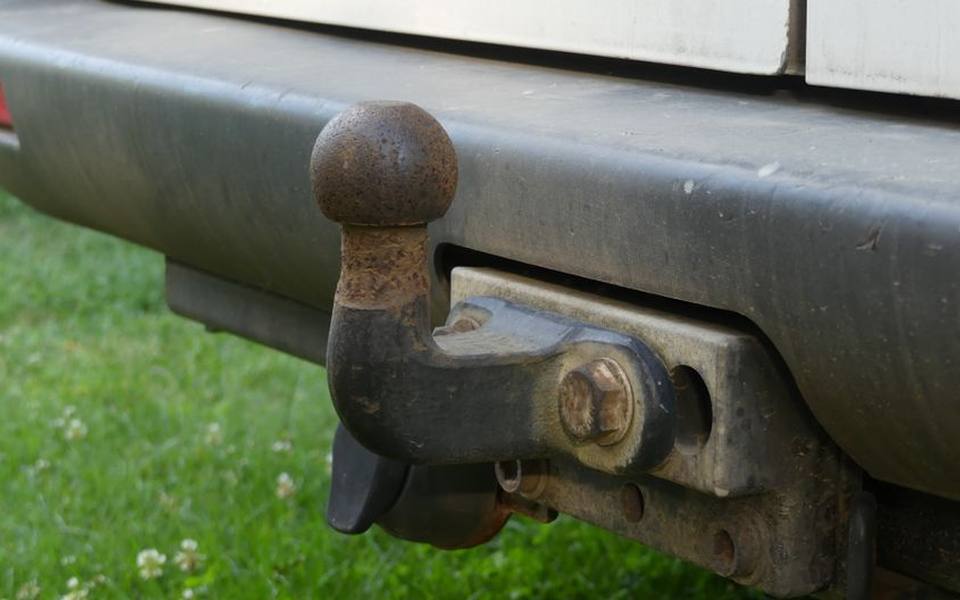
Submersible lighting and electrical harnesses represent another critical area that requires regular attention. Modern trailers typically rely on sealed LED light units that prevent water intrusion, combined with grounded wiring running through the frame rails. Moisture trapped inside incandescent housings often causes short circuits and blown vehicle fuses just as you prepare to drive home at dusk. Waterproof heat-shrink connectors and dielectric grease on wire terminals keep moisture out across multiple boating seasons.
Braking assemblies are legally required on larger trailers in most states, typically mandated once gross trailer weight exceeds three thousand pounds. Hydraulic surge brakes use the momentum of the slowing trailer against the tow vehicle hitch to compress a master cylinder and actuate drum or disc brakes. Electric-over-hydraulic systems provide quicker response and allow the driver to manually adjust brake sensitivity from the cab, providing extra stopping power on steep downhill grades.
Winches, Bow Stops, and Rigging for Safe Transport
The manual or electric winch mounted on your trailer tongue is your primary mechanical advantage when retrieving a hull from the water. Manual winches feature dual-speed gearing that lets you switch between fast strap retrieval in loose water and low-gear pulling power as the boat settles onto the bunks. Replacing aged, sun-bleached nylon webbing or frayed synthetic rope before it snaps under load prevents catastrophic accidents on the incline.
The bow stop roller or V-block must be positioned so the vessel bow eye snugs firmly underneath it rather than resting on top. When the winch strap pulls the bow tight against the stop, the safety chain or secondary safety cable must be clipped directly to the bow eye. A sudden stop or steep incline can overwhelm an unlatched winch pawl, making that secondary connection your only protection against a loose vessel sliding backward.
Securing the stern requires heavy-duty transom tie-down straps anchored to the trailer frame rails. Relying solely on the bow eye allows the heavy stern to bounce over road bumps, straining the transom and wearing flat spots into the hull gelcoat. Gunwale straps running across the beam provide additional stability for smaller aluminum craft, while dedicated transom ratchets keep larger fiberglass boats firmly glued to the bunk supports.
Carrying Kayaks and Small Watercraft Safely
Paddlesports enthusiasts often discover that transporting multiple kayaks or canoes on a vehicle roof rack becomes exhausting and physically demanding over time. A lightweight utility trailer configured with padded crossbars and modular vertical trees allows you to load and unload paddlecraft at waist height without straining your back. These compact trailers can be pulled comfortably by small crossovers and midsize cars without requiring heavy-duty towing packages.
When securing paddlecraft to a trailer frame, cam straps are significantly safer for plastic and composite hulls than high-tension ratchet straps. Heavy ratchets can easily crush rotomolded polyethylene hulls or crack delicate fiberglass seams under extreme tension, especially when left parked in hot sunshine. Adding bow and stern safety lines prevents rotational movement while driving at highway speeds and provides extra security if a middle strap slips.
Launching paddlecraft does not require backing your trailer wheels all the way into the water. In fact, keeping kayak trailer hubs dry prolongs bearing life considerably, as you can simply untie the boats in the parking area and carry them down to the shore. If using a standard ramp area, stay off to the side so you do not block deeper ramp lanes needed by motorized vessels with fixed draft requirements.
Wheel Bearings, Tires, and Essential Roadside Spares
Wheel bearing failure remains the single most common cause of trailer breakdowns along highways and remote lake access roads. When hot hubs submerge into cold water at the ramp, internal air contracts, creating a vacuum that pulls water past worn seals into the bearing grease. Visiting a parts counter to install spring-loaded bearing protectors helps maintain positive grease pressure and keeps water away from internal roller cones.
Carrying the proper spare parts can turn a catastrophic breakdown into a thirty-minute delay on the shoulder. Your trailer toolkit should contain a fully inflated spare tire, a hydraulic bottle jack or ramp wedge, a four-way cross wrench that matches trailer lug sizes, and a pre-greased replacement hub assembly complete with races, bearings, and cotter pins. Standard vehicle lug wrenches frequently do not fit deep-set trailer rims, leaving unprepared drivers stranded without options.
Trailer tires endure harsh conditions and behave differently than passenger car tires, requiring high operating pressures to prevent heat buildup. Always verify you are running Special Trailer designated tires rather than standard automotive designs, as ST tires feature stiffer sidewalls engineered to reduce trailer sway. Inspect tread depth and sidewall cracking each spring, keeping in mind that trailer tires typically age out from ultraviolet exposure after five to seven years regardless of remaining tread.
Driving Techniques and Highway Trailering Dynamics
Towing several thousand pounds behind your vehicle completely alters acceleration, braking distance, and turning geometry. When trailering a vessel, widen your turns at intersections to prevent trailer wheels from clipping curbs, signposts, or ditch edges. Maintain at least double your normal following distance behind other traffic, giving your vehicle brakes and the trailer braking system ample time to bring the combined weight to a controlled stop.
Backing up a trailer is a fundamental skill that requires patience, small steering inputs, and spatial awareness. The simplest method is placing your driving hand at the bottom of the steering wheel: moving your hand to the left directs the trailer left, while moving your hand to the right steers the trailer right. Making gradual steering corrections early prevents the trailer from jackknifing, which occurs when the angle between the tow vehicle and trailer becomes too acute.
Trailer sway can happen suddenly when descending hills, passing large transport trucks, or driving through strong crosswinds. If your rig begins to fishtail, avoid the instinct to slam on the vehicle brakes or yank the steering wheel, as doing so can trigger a violent rollover. Instead, hold the wheel straight, ease your foot smoothly off the accelerator, and manually activate the trailer electric brake control if equipped, which pulls the trailer back into a straight line.
Preparing Your Vessel in the Staging Area
The most critical phase of launching takes place in the staging lane or make-ready area, well before your tires touch the ramp decline. Never pull directly onto the launch ramp to begin unloading coolers, unwrapping boat covers, or searching for safety gear. Staging lanes are specifically designed to let boaters organize equipment without creating bottlenecks for others waiting to get on or off the water.
Walk around your boat to complete a systematic pre-launch checklist before moving toward the water. Insert and hand-tighten the bilge drain plug, disconnect the rear transom tie-down straps, and unplug the trailer light harness if using non-waterproof incandescent bulbs to prevent thermal shock to the elements. Load your dock lines, fenders, life jackets, and ignition keys into the vessel so everything is accessible the moment the hull floats free.
Turn on your marine battery selector switch and run the bilge blower for at least four minutes on inboard or sterndrive boats to clear any fuel vapors before attempting ignition. Test that your outboard or drive trims up and down freely so you can raise the lower unit clear of the concrete ramp during backing. Completing these preparatory tasks away from the ramp guarantees a smooth, low-stress launch once your turn arrives.
Step-by-Step Launching at a Public Boat Ramp
When a launch lane opens up, position your vehicle straight in front of the ramp before reversing down the slope. Having a trusted crew member stand on the driver side as a visual spotter helps you avoid submerged obstacles and uneven dock pilings. Back down steadily until the rear tires of your tow vehicle meet the water edge and the stern of the boat begins to gain buoyancy.
Put your vehicle in park, engage the emergency parking brake firmly, and leave the engine running to maintain brake boost pressure. Release the winch hook and safety chain from the bow eye, holding onto the vessel bow line to maintain physical control of the boat. With the hull afloat, gently push the craft off the bunks or ease it into the dock slip, using lines to walk it along the dock rather than revving a cold engine on the ramp.
Move your boat promptly to the far end of the courtesy dock or anchor it clear of the active launch channel so incoming and outgoing boaters have space to maneuver. If your vessel requires ongoing mechanical adjustments or seasonal tune-ups, scheduling work with a dedicated service department ensures your engine starts instantly without lingering on the ramp. Once the vessel is secured, pull your tow rig immediately to the parking lot.
Dock Courtesy and Public Ramp Etiquette
Public boat launches operate smoothly only when all boaters understand and practice common dock courtesy. The launch ramp is strictly a transition zone for transferring boats between trailers and water, not a maintenance bay or social gathering space. Launching or retrieving a boat should take less than five minutes if your vessel is prepped in the staging area and your crew understands their individual responsibilities.
Night launching introduces unique visibility challenges that demand strict adherence to lighting etiquette. When waiting in line or backing down a ramp in the dark, turn off your vehicle headlights and leave only parking lights active. Direct headlight beams blind boaters on the water who are attempting to align their hulls with docks or trailers, creating dangerous conditions in low-visibility environments.
Solo launching requires extra preparation but follows the same courtesy principles when executed properly. Rig a long bow line and stern line together, back your trailer deep enough to float the hull, and tie the boat off to an open dock cleat before parking your vehicle. If crowds are waiting, offer assistance to boaters struggling with backing or line handling, which keeps the ramp moving efficiently for the entire community.
Retrieving Your Boat and Preparing for Highway Travel
Retrieving your boat at the end of the day mirrors the launch process in reverse, starting by dropping a driver off at the courtesy dock while the vessel idles safely offshore. Back your trailer into the water to the depth where the bunks are partially submerged, leaving enough bunk surface visible to guide and center the hull. Never power-load your boat by gunning the throttle aggressively against the trailer, as prop wash scours deep holes in the seabed at the ramp base.
Float the vessel straight between the guide posts, hook the winch strap to the bow eye, and crank the boat smoothly up until the bow touches the roller stop. Engage the winch ratchet pawl and attach the safety chain before giving the tow driver the signal to pull slowly out of the water. If you are examining pre-owned vessels, inspecting used boats in current inventory often reveals hull wear caused by improper loading techniques on rough ramps.
Pull forward completely clear of the ramp incline into the designated tie-down and wash area before securing your vessel for road travel. Install the transom straps, attach support brackets or transom savers to your outboard lower unit, and stow loose gear inside the cabin or lockers. Remove the bilge drain plug to allow water to drain, and follow regional clean, drain, and dry protocols to prevent the transport of aquatic invasive species between waterways.
Published 2026-09-20 · reviewed with each rebuild, last September 2026.
Find boat dealers near you
The directory lists 7,311 boat dealers by state and city — pick your state or use the “Near me” button in the header.
More guides
-
 Storage
Boat Storage and Slip Costs: Dry Storage, Mooring, and Marina Rates Guide
-
 Money
MoneyHow Much Does a Boat Engine Cost? Complete Marine Motor Pricing Guide
-
 Buying
How Much Does a Pontoon Boat Cost to Buy or Rent?
-
 Service
Cosmetic Maintenance, Surface Repairs, and Deck Restorations: A Practical Marine Guide
-
 Owning
Marine Electrical Systems, Critical Hardware, and Modern Repower Planning
-
 Service
Essential Boat Mechanical Repairs: Managing Cables, Pumps, and Routine Service
-
 Owning
Understanding Your Boat's Plumbing, Fuel Systems, and Ownership Costs
-
 Owning
How to Handle Boat Registration, Title Transfers, and USCG Documentation
-
 Owning
Complete Off-Season Preparation: Storage Steps, Costs, and Protective Canvas
-
 Safety
The Essential Boating Safety Equipment Checklist, Education Guide, and Ownership Budgeting
-
 Money
MoneyUnderstanding Marine Loans: Rates, Terms, and Approval
-
 Buying
Center Console vs. Bowrider Boats: Layouts, Costs, and Finding the Right Fit
-
 Safety
How to Tow a Boat Safely and Maintain Trailer Wheel Bearings
-
 Buying
What Is a Marine Survey and How Much Does It Cost?
-
Buying
Yacht Buying, Chartering, and Brokerage Guide
-
Buying
Complete Used Boat Buying Guide: Valuations, Inspection, and Bill of Sale
-
Buying
The Complete Pontoon and Tritoon Guide: Layouts, Brands, and Ownership
-
Buying
Jon Boats and Small Aluminum Fishing Boats: Complete Buyer and Build Guide
-
Buying
Bass Boats and Freshwater Fishing Boats Buyer's Guide
-
Buying
Outboard Motors Guide: Yamaha, Suzuki, Mercury Specs and Used Buying
-
Money
Navigating Boat Loans and Marine Financing: Rates, Loan Terms, and Monthly Payment Realities
-
Owning
Boat Clubs vs. Rentals and Charters: Which Waterway Option Fits You?
-
Service
The Complete Guide to Boat Maintenance, Winter Storage, and Mechanical Repairs
-
 Safety
Boating Safety Courses, Licenses, and Certification Guide
-
Buying
Catamarans Guide: Sailing, Power, Hobie, and Buying Options
-
Owning
Marine Batteries Buyer's Guide: Deep Cycle, Lithium, AGM, and Dual Purpose
-
Buying
Electric Trolling Motors: Complete Guide for Kayaks, Pontoons, and Fishing Boats
-
 Owning
Complete Boat Rental Guide: Destinations, Types, and Rates
-
 Service
Boat Fuel Systems and Injector Care: Tanks, Filters, and Cleaning
-
 Buying
Center Console Boats: Types, Construction, and Buying Guide
-
 Owning
Boat Docks, Lifts, and Flotation Systems: Complete Waterfront Guide
-
 Buying
A Complete Guide to Fishing Boats, Sonar Electronics, and Rod Rigging Systems
-
 Owning
Outboard Motors, Jack Plates, and Marine Propellers: The Complete Rigging Guide
-
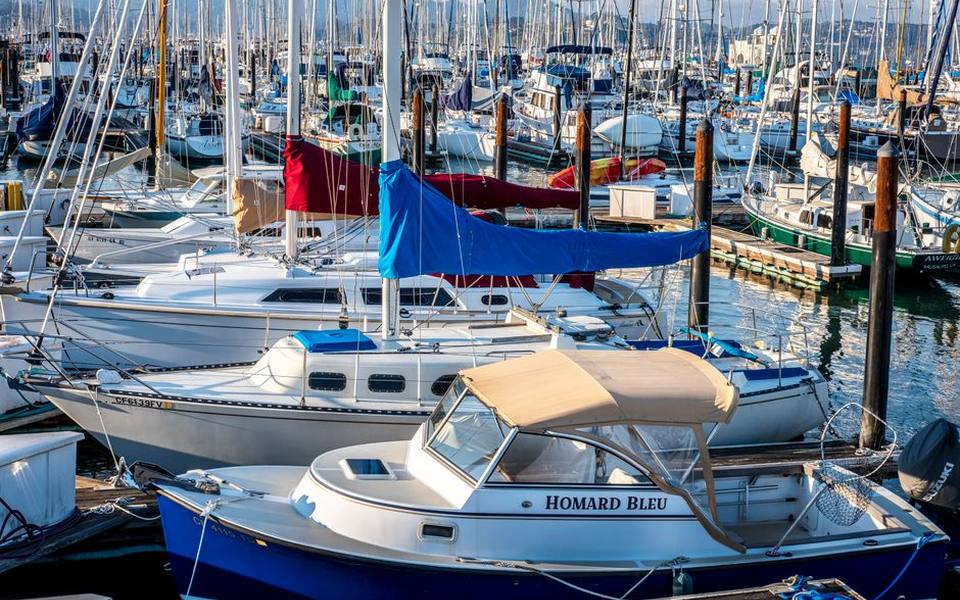 Buying
A Complete Guide to Boat Brands, Marine Brokers, and Finding the Right Dealer
-
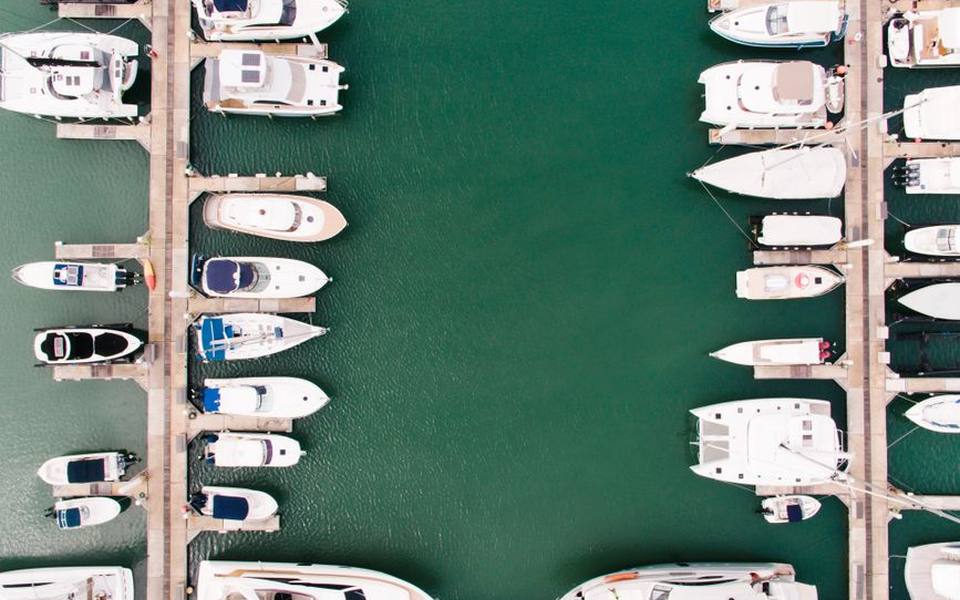 Money
MoneyBoat Insurance, Financing, and Title History Lookup: Complete Guide
-
 Buying
Small Boats, Kayaks, Canoes, and Inflatable Craft: Complete Buyer and Rigging Guide
-
 Owning
Marine Canvas, Bimini Tops, and Boat Covers: Selection and Care Guide
-
 Buying
Complete Guide to Boat Shows: Dates, Tickets, and Top US Events
-
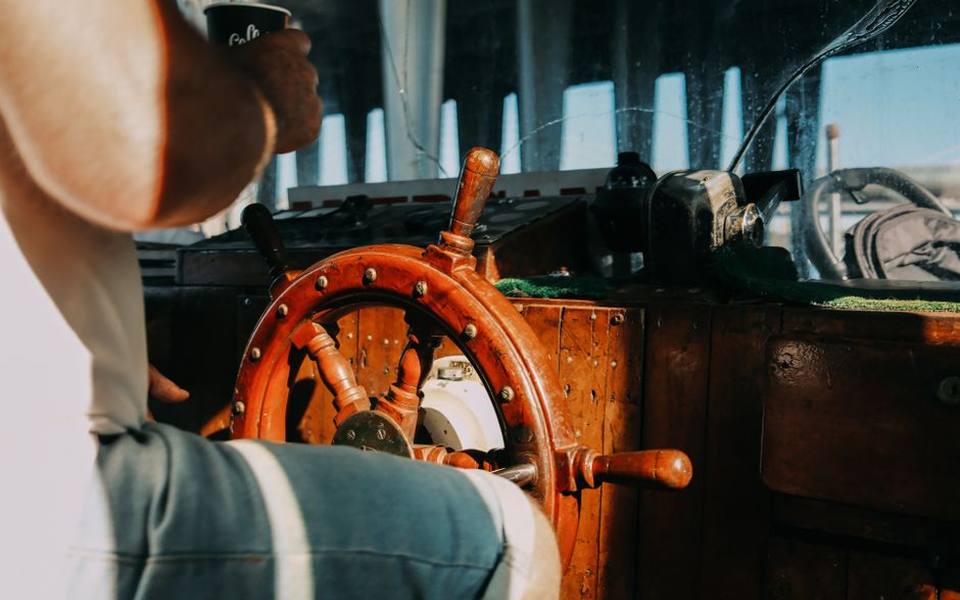 Owning
Boat Anatomy 101: Hull Parts, Steering Wheels, and Terminology