Navigating the Modern Boat Manufacturing Landscape
Walking into a showroom or browsing listings online can feel overwhelming because of the sheer variety of boat makers operating across North America. Today's boat builders generally divide their efforts across specialized niches, ranging from heavy-duty riveted aluminum fishing hulls to deep-V composite cruisers. Understanding how different manufacturers construct their hulls, assemble their stringer systems, and back their warranties helps buyers separate marketing buzzwords from lasting structural integrity before committing their savings.
When evaluating major boat brands, hull material serves as your initial fork in the road. Aluminum hulls excel in rocky rivers, shallow reservoirs, and rugged freshwater environments where accidental contact with gravel bars or submerged timber would gouge gelcoat. On the other hand, molded fiberglass hulls allow marine architects to sculpt complex compound curves, reverse chines, and stepped bottoms that slice through chop while creating spacious, ergonomic deck layouts tailored for family recreation and coastal cruising.
Beyond hull materials, brand reputations are earned through long-term factory support, reliable dealer networks, and consistent resale value. A well-known brand often commands higher upfront pricing, but that premium frequently translates into easier parts replacement, readily available gelcoat matching, and greater liquidity when it comes time to trade up. Identifying what category fits your lifestyle allows you to narrow down the hundreds of active brands to the few that match your waterways.
Aluminum Workhorses: The Heritage of Northern Fishing Hulls
In the upper Midwest and across cold-water lakes, aluminum craftsmanship remains the gold standard for multi-species anglers. Builders like Lund have dominated this sector for decades, engineering deep-V aluminum hulls designed to withstand harsh inland rollers and rocky shorelines. The hallmark of Lund boats in the USA has historically been double-riveted construction, integrated track gunnels for mounting rod holders, and interior layouts optimized for walleye, pike, and muskie fishing in punishing conditions.
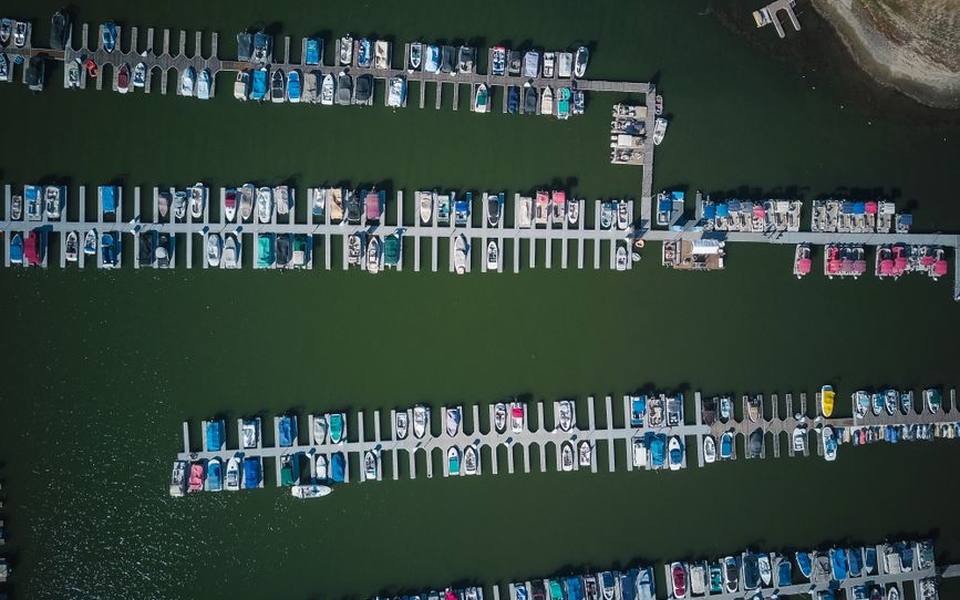
Modern aluminum boat manufacturers utilize high-grade marine alloys such as 5052-H34 aluminum, which deliver remarkable tensile strength without adding excessive weight. This lighter footprint translates into smaller tow vehicles, reduced fuel consumption on the highway, and the ability to launch at unimproved dirt ramps where heavier fiberglass rigs might sink into the mud. Furthermore, the lighter hull often requires less horsepower on the transom to achieve brisk planing speeds.
While traditionalists still debate the merits of riveted seams versus continuous welds, modern engineering has made both methods exceptionally durable when executed by reputable boat builders. Riveted aluminum hulls offer subtle flexibility that absorbs shock waves in rough water without cracking, while fully welded hulls eliminate rivet maintenance entirely. When inspecting used aluminum models, check the bottom for deep impact dents, examine the transom core for moisture degradation, and verify that the interior flooring remains solid underfoot.
Premium Fiberglass Bowriders and Family Sport Boats
For boaters whose priorities focus on water sports, family cruising, and weekend harbor hopping, fiberglass runabouts deliver refined comfort and stylish lines. Chaparral Boats Inc., operating out of Georgia for more than five decades, stands as a prime example of premium American runabout construction. Chaparral boats across the USA are recognized for their Kevlar-reinforced hulls, wide-tech bow designs that expand forward seating, and salt-resistant upholstery tailored for coastal bays and larger lakes.
Evaluating fiberglass runabouts requires looking beneath the polished shine of the gelcoat. Leading builders invest in full fiberglass stringer grids that are chemically bonded directly to the hull, eliminating wood that could rot over decades of exposure. High-end runabouts also incorporate recessed stainless-steel hardware, deep cockpit freeboards to keep small children secure, and convertible aft loungers that shift effortlessly from forward-facing travel seats into sunpads overlooking the swim platform.
Prospective buyers shopping for new boats will notice that many fiberglass manufacturers now offer integrated surf packages featuring forward-facing sterndrives or customized jet propulsion. These sport models let families wakeboard, waterski, and wakesurf behind a single vessel without needing a dedicated tournament inboard towboat. Paying attention to engine access, bilge drainage layouts, and factory canvas quality during your walk-through will show you how much practical thought went into the boat's design.
Accessible Recreation and Entry-Level Cruisers
Getting out on the water does not always demand a six-figure investment, thanks to value-oriented builders who focus on production efficiency. Bayliner boats have introduced generations of families to boating by delivering turn-key packages that include the hull, an outboard or sterndrive engine, and a matched trailer at an accessible price point. While premium luxury brands emphasize hand-stitched marine vinyl and exotic teak trim, value-tier builders concentrate on straightforward utility and user-friendly operation.
Modern entry-level runabouts and deck boats often feature M-hull designs, which behave much like a modified tri-hull. This configuration creates exceptional stability at rest, minimizes roll while passengers move around the deck, and maintains a level attitude when transitioning onto plane. These characteristics make them approachable for first-time captains who might feel intimidated by the high-speed handling quirks of aggressive deep-V sport boats.
When purchasing from entry-tier manufacturers, sensible expectations are paramount. The gelcoat may show minor cosmetic imperfections, plastic latches might be used instead of cast stainless steel, and sound insulation around the engine compartment could be lighter. Nevertheless, when properly sheltered from harsh ultraviolet rays and maintained according to schedule, these hulls provide reliable, enjoyable weekends on lakes and protected coastal inlets without overwhelming a family budget.
European Styling and Coastal Trawlers
Boaters looking beyond domestic styling often gravitate toward European manufacturers that blend contemporary aesthetics with ocean-going capability. Beneteau boats, originally established in France and now operating major manufacturing facilities in South Carolina, have captured a substantial segment of the American market. Known initially for offshore sailing yachts, their powerboat lines—ranging from outboard-powered pilothouse cruisers to swift ocean trawlers—bring distinctive functional styling to coastal waterways.
European-influenced designs prioritize natural interior lighting, panoramic cabin windows, modular cockpit furniture, and asymmetrical side decks that maximize interior salon space. These boats frequently feature stepped-hull technology that introduces air beneath the running surface, reducing drag and boosting fuel economy during long-distance passages. For boaters who dream of cruising the Great Loop or hopping along the Atlantic Intracoastal Waterway, these layouts provide liveaboard comfort inside manageable hull lengths.
Servicing imported designs is straightforward today because major international groups maintain North American headquarters, standardized dealer channels, and domestic parts warehouses. Nevertheless, when inspecting older models on the brokerage market, pay close attention to European metric fittings, proprietary electrical distribution panels, and unique steering systems. Working with certified marine technicians ensures that any replacement components match original factory specifications.
Outboard Integration and Modern Engine Packages
While consumers often search for Suzuki boats or Honda hulls, it is helpful to clarify that major Japanese engine builders do not manufacture their own branded fiberglass or aluminum boats. Instead, they partner with independent boat manufacturers to supply pre-rigged factory packages or offer their outboards as the preferred power choice across marine dealership networks. Suzuki outboards, renowned for their lean-burn fuel efficiency, maintenance-friendly offset driveshafts, and self-adjusting timing chains, are frequently matched with skiffs, pontoons, and offshore catamarans.
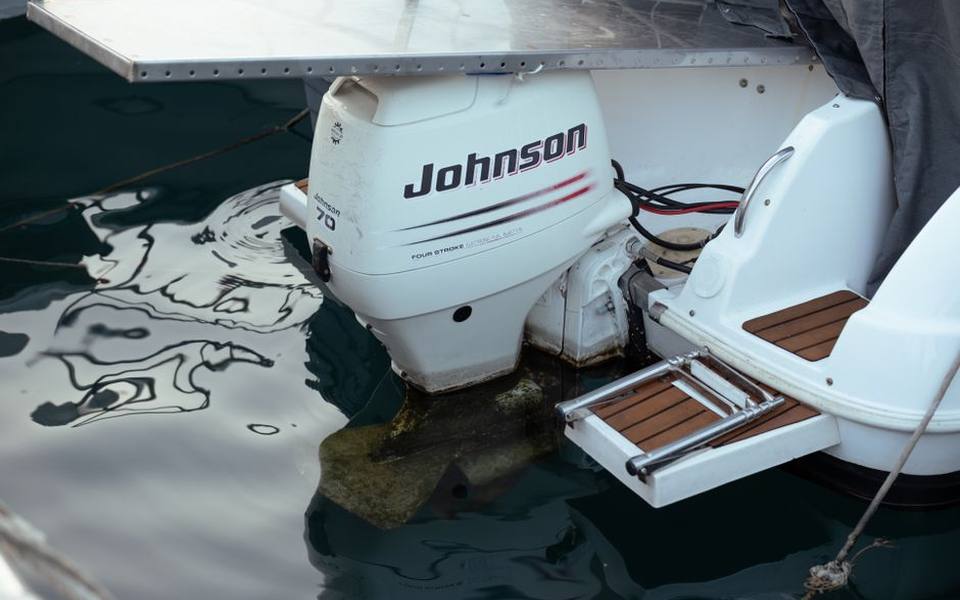
Choosing the right outboard pairing involves balancing horsepower ratings against planned passenger loads. Modern four-stroke outboard engines have largely replaced traditional inboard sterndrives in boats under thirty feet due to their lighter weight, simple winterization routines, and tilt clearances that lift running gear completely out of corrosive salt water. Furthermore, clean digital helm controls and fly-by-wire shifting provide butter-smooth throttle response that older mechanical cable systems could never match.
When browsing dealer inventory, evaluate whether the boat builder rigged the vessel with genuine manufacturer gauges, wiring harnesses, and control binnacles. Turnkey factory packages ensure all engine telemetry—such as fuel flow rates, engine temperatures, and trim angles—integrates cleanly into multi-function dash displays. If you decide to repower an older hull later, sticking with prominent outboard brands guarantees readily available diagnostic software at local service centers.
The Versatile Bay Boat: Bridging Shallow Flats and Coastal Swells
Anglers who desire the shallow-water capabilities of a technical flats skiff combined with the open-water safety of an offshore center console frequently settle on the bay boat. Shopping for a bay boat for sale puts you in touch with one of the most competitive segments in the marine industry. These vessels typically span twenty to twenty-six feet, sporting low-profile gunnels, expansive forward and aft casting decks, and shallow drafts that let you slip into backwater creeks.
The defining advantage of a bay boat lies in its hull architecture. Unlike flat-bottom skiffs that pound painfully across open water, a quality bay boat features a sharp bow entry that transitions to a moderate deadrise at the transom, typically between fifteen and nineteen degrees. This hybrid geometry slices through steep afternoon bay chop while remaining stable at drift and floating in twelve to fifteen inches of water when stalking redfish or striped bass.
Standard equipment on modern bay models includes high-capacity aerated livewells, dedicated lockable rod lockers, and bow mounting pads pre-wired for GPS-guided trolling motors with spot-lock functionality. If you are comparing boats for sale in stock, inspect whether the transom features an integrated hydraulic jack plate. A jack plate allows you to elevate the outboard vertically, enabling shallow-water holeshots without dragging your skeg along fragile seagrass beds.
Working with Marine Brokers vs Local Boat Dealers
Purchasing a boat involves navigating sales channels that differ considerably from standard automotive shopping. A marine dealer operates an authorized physical lot, displaying new inventory under direct franchise agreements with manufacturers, alongside trade-ins. A boat broker, by contrast, acts as an agent representing either the buyer or the seller—much like a real estate agent—facilitating private-party transactions, organizing sea trials, and managing escrow accounts.
Enlisting a dedicated boat broker can be invaluable when pursuing larger coastal cruisers or custom sportfishers over thirty feet. A buyer's broker costs you nothing directly, as the commission fee—typically around ten percent of the purchase price—is split between the listing and selling brokers from the seller's proceeds. An experienced broker scours nationwide listings, analyzes historical closing data to determine fair market value, and assists in drafting purchase agreements with protective survey and financing contingencies.
For smaller family runabouts, bay boats, and aluminum fishing rigs, purchasing through established dealerships often provides cleaner transactions. Dealers can handle state titling, organize financing, take your current hull on trade, and certify warranties right on site. If you decide to explore used boats in current inventory, a franchised dealer often puts pre-owned trades through multi-point inspections and replaces worn wear items before delivery.
Post-Sale Realities: Service Departments and Factory Backing
A boat is an active mechanical ecosystem exposed to extreme moisture, vibration, and ultraviolet degradation. Therefore, the strength of the selling dealer's maintenance facility matters just as much as the brand emblem affixed to the hull side. Before signing a purchase agreement, take time to tour the dealer's service department, inspect their work bays, and speak directly with the service manager regarding their turnaround times during peak summer months.
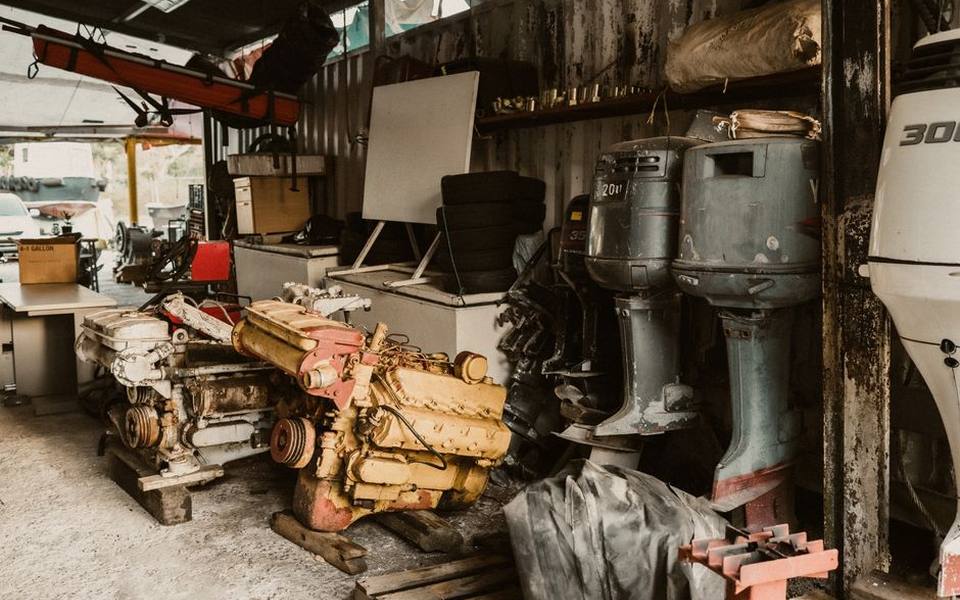
Factory hull warranties frequently promise ten-year or lifetime limited structural coverage, but those warranties require authorized dealer technicians to document and process claims. Inquire whether the dealership employs factory-certified technicians for your engine brand, whether Mercury, Yamaha, or Suzuki. Technicians who complete annual factory training schools possess the proprietary computer diagnostic equipment needed to troubleshoot complex electronic throttle faults, digital steering gremlins, and fuel injection issues swiftly.
Access to an on-site parts counter stocked with routine maintenance kits, impellers, water separators, and zinc anodes prevents minor issues from ruining sunny holiday weekends on the water. Dealerships that invest in comprehensive parts inventories can perform scheduled fifty-hour and one-hundred-hour engine services without holding your boat hostage for weeks waiting on common gaskets. Reliable post-sale support transforms what could be a stressful ownership experience into years of effortless family recreation.
Locating Reputable Dealers Across Top Boating Regions
Regional boating cultures shape dealer inventories significantly across the country. In southern coastal hubs, marine retailers prioritize offshore center consoles, dual consoles, and bay boats engineered to handle salty, humid conditions. When browsing states like Florida, Texas, or the Carolinas, you will find extensive selections tailored for offshore angling, sandbar rafting, and long-range island hopping where self-bailing cockpits and raw-water washdowns are standard requirements.
Conversely, in northern states like Minnesota, Wisconsin, and Michigan, dealerships focus heavily on deep-V aluminum fishing boats and pontoon platforms designed for shorter, intense freshwater seasons. These regional dealers frequently specialize in seasonal shrink-wrapping, winterization storage, and wakeboard boat servicing. Buyers living near large inland river systems often benefit from dealers with expertise in jet-drive outboards and flat-bottom tunnel hulls built for shallow-water rock gardens.
Finding the right business partner requires exploring verified dealer directories that filter locations by factory certifications, storage availability, and customer service ratings. With over 4,570 premier dealer listings documented across top boating states, buyers can easily compare local inventory, confirm active manufacturer franchises, and locate trusted maintenance facilities close to their home slip or launch ramp.
Published 2026-09-20 · reviewed with each rebuild, last September 2026.
Find boat dealers near you
The directory lists 7,311 boat dealers by state and city — pick your state or use the “Near me” button in the header.
More guides
-
 Storage
Boat Storage and Slip Costs: Dry Storage, Mooring, and Marina Rates Guide
-
 Money
MoneyHow Much Does a Boat Engine Cost? Complete Marine Motor Pricing Guide
-
 Buying
How Much Does a Pontoon Boat Cost to Buy or Rent?
-
 Service
Cosmetic Maintenance, Surface Repairs, and Deck Restorations: A Practical Marine Guide
-
 Owning
Marine Electrical Systems, Critical Hardware, and Modern Repower Planning
-
 Service
Essential Boat Mechanical Repairs: Managing Cables, Pumps, and Routine Service
-
 Owning
Understanding Your Boat's Plumbing, Fuel Systems, and Ownership Costs
-
 Owning
How to Handle Boat Registration, Title Transfers, and USCG Documentation
-
 Owning
Complete Off-Season Preparation: Storage Steps, Costs, and Protective Canvas
-
 Safety
The Essential Boating Safety Equipment Checklist, Education Guide, and Ownership Budgeting
-
 Money
MoneyUnderstanding Marine Loans: Rates, Terms, and Approval
-
 Buying
Center Console vs. Bowrider Boats: Layouts, Costs, and Finding the Right Fit
-
 Safety
How to Tow a Boat Safely and Maintain Trailer Wheel Bearings
-
 Buying
What Is a Marine Survey and How Much Does It Cost?
-
Buying
Yacht Buying, Chartering, and Brokerage Guide
-
Owning
Boat Trailers, Launching, and Ramp Etiquette Guide
-
Buying
Complete Used Boat Buying Guide: Valuations, Inspection, and Bill of Sale
-
Buying
The Complete Pontoon and Tritoon Guide: Layouts, Brands, and Ownership
-
Buying
Jon Boats and Small Aluminum Fishing Boats: Complete Buyer and Build Guide
-
Buying
Bass Boats and Freshwater Fishing Boats Buyer's Guide
-
Buying
Outboard Motors Guide: Yamaha, Suzuki, Mercury Specs and Used Buying
-
Money
Navigating Boat Loans and Marine Financing: Rates, Loan Terms, and Monthly Payment Realities
-
Owning
Boat Clubs vs. Rentals and Charters: Which Waterway Option Fits You?
-
Service
The Complete Guide to Boat Maintenance, Winter Storage, and Mechanical Repairs
-
 Safety
Boating Safety Courses, Licenses, and Certification Guide
-
Buying
Catamarans Guide: Sailing, Power, Hobie, and Buying Options
-
Owning
Marine Batteries Buyer's Guide: Deep Cycle, Lithium, AGM, and Dual Purpose
-
Buying
Electric Trolling Motors: Complete Guide for Kayaks, Pontoons, and Fishing Boats
-
 Owning
Complete Boat Rental Guide: Destinations, Types, and Rates
-
 Service
Boat Fuel Systems and Injector Care: Tanks, Filters, and Cleaning
-
 Buying
Center Console Boats: Types, Construction, and Buying Guide
-
 Owning
Boat Docks, Lifts, and Flotation Systems: Complete Waterfront Guide
-
 Buying
A Complete Guide to Fishing Boats, Sonar Electronics, and Rod Rigging Systems
-
 Owning
Outboard Motors, Jack Plates, and Marine Propellers: The Complete Rigging Guide
-
 Money
MoneyBoat Insurance, Financing, and Title History Lookup: Complete Guide
-
 Buying
Small Boats, Kayaks, Canoes, and Inflatable Craft: Complete Buyer and Rigging Guide
-
 Owning
Marine Canvas, Bimini Tops, and Boat Covers: Selection and Care Guide
-
 Buying
Complete Guide to Boat Shows: Dates, Tickets, and Top US Events
-
 Owning
Boat Anatomy 101: Hull Parts, Steering Wheels, and Terminology