Setting Realistic Expectations for Pontoon Pricing
A pontoon boat typically costs anywhere from a few thousand dollars for a seasoned pre-owned craft to well over one hundred thousand dollars for a high-powered luxury performance craft. If you only plan to hit the lake a handful of times each summer, daily or hourly rentals typically range between two hundred and eight hundred dollars depending on the season and engine power. Deciding which path makes financial sense comes down to how often you get on the water, the horsepower your outings demand, and whether you prefer owning an asset or walking away after docking.
The overall market for pontoons has evolved dramatically over the last decade. What used to be slow, utilitarian aluminum rafts for peaceful afternoon fishing have transformed into multi-deck entertainment centers, watersports rigs with triple-toon designs, and plush family cruisers. As features such as power bimini tops, premium sound systems, and high-output four-stroke outboards become standard expectations, sticker prices rise accordingly. Evaluating what you truly need versus what looks flashy in a showroom prevents costly over-buying.
Before scheduling sea trials or signing paperwork, look past the initial acquisition price to the total cost of ownership. Fuel consumption, seasonal storage, routine oil changes, marine insurance, and basic slip fees add up regardless of whether the vessel is brand new or twenty years old. Working through the numbers with realistic expectations lets you enjoy your time on the water without financial stress overshadowing the recreation.
What You Can Expect to Pay for a Brand New Pontoon
Buying brand new gives you fresh upholstery, a factory warranty on both the hull and outboard motor, and modern helm electronics without mystery mechanical issues from past owners. For an entry-level two-log pontoon spanning sixteen to twenty feet with a modest forty- to sixty-horsepower engine, prices typically begin between twenty-five thousand and thirty-five thousand dollars. These base platforms are ideal for smaller inland lakes, casual cruising, and light angling where blistering speed is unnecessary.
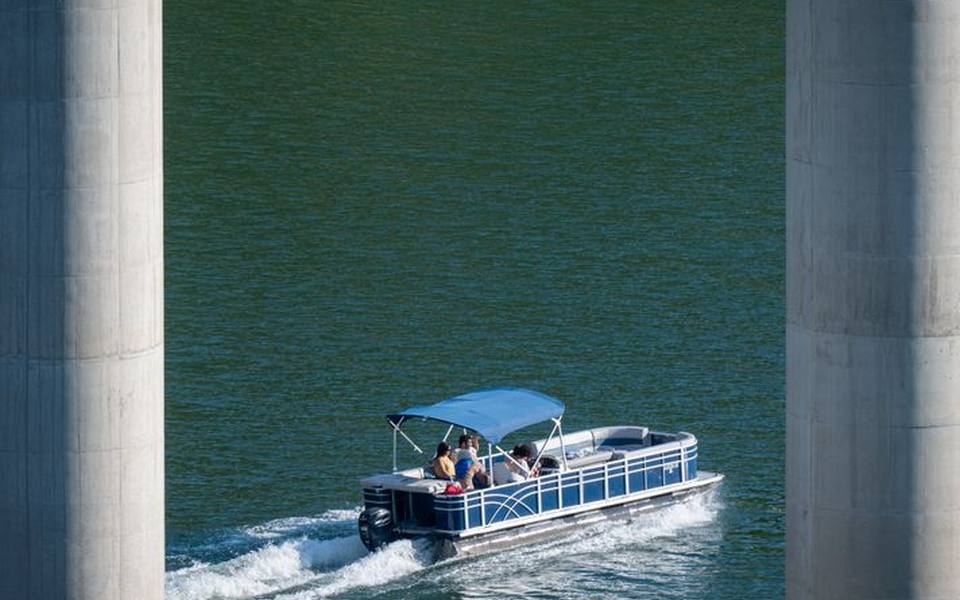
Mid-tier models, which represent the bulk of the recreational market, generally fall in the range of thirty-five thousand to sixty-five thousand dollars. In this category, you typically receive twenty-two to twenty-four feet of deck space, heavier vinyl flooring, upgraded captain chairs, and outboards rated between ninety and one hundred fifty horsepower. These boats comfortably accommodate ten or more passengers while maintaining sufficient torque to pull kids on inflatable towables or tubes without bogging down.
High-performance luxury builds and tritoons with center-tube lifting strakes, dual captain helms, arch towers, and engines exceeding two hundred fifty horsepower routinely run from seventy-five thousand to well past one hundred fifty thousand dollars. When shopping through dealerships carrying new inventory, remember that base window stickers rarely include destination freight fees, dealer prep, registration taxes, or safety accessory packages, all of which alter the final bottom line.
Engine selection makes up one of the largest single price components on any new pontoon bill of sale. Stepping up from a standard ninety-horsepower motor to a two-hundred-horsepower outboard can easily swing the purchase price by ten to fifteen thousand dollars alone. Balancing your intended water sports needs against engine output ensures you do not overspend on horsepower you might rarely unleash.
Navigating the Pre-Owned Market and Used Pricing
The used market provides substantial savings because the initial depreciation hit occurs during the first two to three years of ownership. A well-maintained used pontoon between five and ten years old typically sells for fifteen thousand to thirty thousand dollars, often including the trailer and aftermarket accessories. Because aluminum tubes do not degrade like fiberglass gelcoats, older pontoons can remain structurally sound for decades if they were not abused against rocky shorelines.
Older vessels from the late 1990s through the mid-2000s can frequently be found for six thousand to twelve thousand dollars, but they demand careful mechanical scrutiny. At this price tier, the focus shifts entirely to outboard motor reliability and deck integrity. Older wooden subfloors under outdoor marine carpeting are prone to water retention and dry rot, which can turn an apparent budget bargain into an expensive rebuilding project.
When browsing through used boat dealers, always prioritize maintenance records, engine compression tests, and corrosion inspections over cosmetic cleanliness. Look closely at the aluminum brackets holding the deck to the pontoons for hairline stress cracks. Finding a clean hull paired with a reliable fuel-injected four-stroke outboard delivers maximum long-term value, allowing you to re-cover furniture or swap out electronics on your own schedule.
Renting for a Day or a Weekend on the Water
Renting is the simplest route for casual boaters who want effortless lake days without the burdens of winterizing, trailering, or paying twelve months of loan payments for twelve days of use. A standard half-day rental, which generally spans four hours, typically costs between two hundred and four hundred dollars depending on location and weekday demand. Full-day eight-hour rentals normally run between four hundred and eight hundred dollars for standard cruising rigs.
Rental pricing fluctuates sharply based on geographic region, regional boating season lengths, and local tourist concentration. Prime holiday weekends around Memorial Day or the Fourth of July command premium rates and often require advance reservations months ahead. In contrast, mid-week rentals on quiet inland waters frequently come with discounted promotional rates that give you open water at half the standard weekend rate.
Always account for ancillary rental expenses that liveries add to the quoted boat rate. Most commercial liveries hold a refundable security deposit between five hundred and one thousand dollars on your credit card to guard against propeller impacts or upholstery tears. Furthermore, renters almost always pay for their own consumed fuel, which can add fifty to one hundred fifty dollars depending on how fast you cruise across the reservoir.
Finding Rental Liveries and Launch Points Near Home
When wondering where you can secure a rental near your location, the best starting points are full-service commercial marinas, state park concessionaires, and lakeside resort docks. Many larger marinas maintain dedicated seasonal fleets with newer vessels that are serviced by certified on-site technicians, giving you peace of mind regarding on-water reliability. State park concessions typically feature simpler, lower-horsepower pontoons geared toward slow fishing and quiet sight-seeing at lower price points.
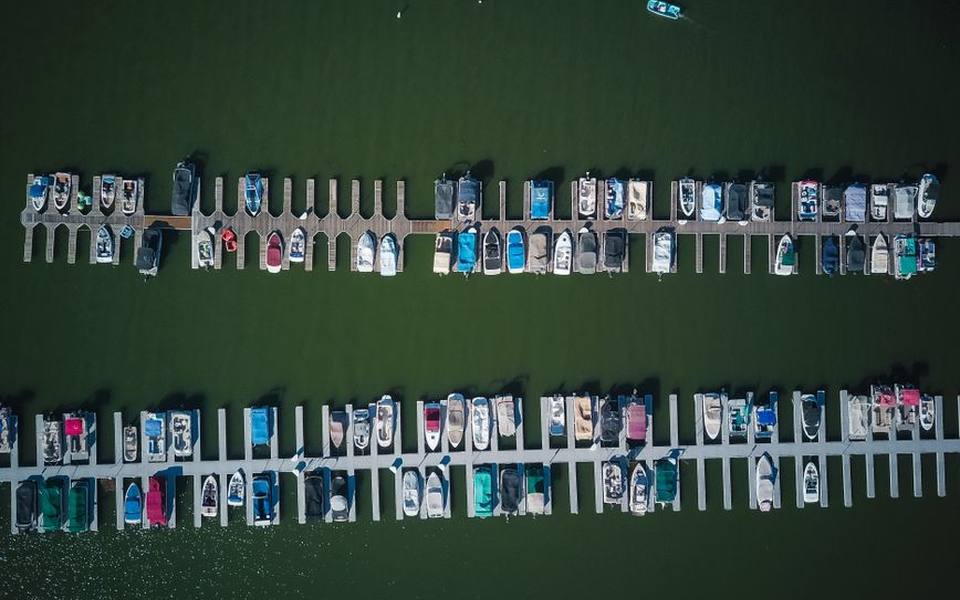
Peer-to-peer boat rental platforms also operate on popular waterways, connecting private boat owners directly with recreational boaters. While these services offer diverse boat styles, carefully inspect what kind of commercial liability insurance is included in the booking. You should also confirm what roadside assistance or on-water towing services are included if an engine stalls midway across an unfamiliar cove.
Local marine dealerships sometimes partner with seasonal boat clubs or rental operations out of their own docks. Exploring regional inventories and marina directories through local pontoon boat dealers will often uncover affiliated livery hubs where you can test-drive modern hull layouts and motor configurations in a low-pressure rental environment before deciding to buy.
Budgeting Monthly Payments with Marine Financing Tools
Financing a pontoon is quite different from purchasing an automobile because marine loans typically feature longer amortization periods. While car loans rarely extend past five or six years, boat financing terms commonly run ten, fifteen, or even twenty years for loans exceeding twenty-five to fifty thousand dollars. These extended payback schedules keep monthly out-of-pocket costs manageable, though you pay significantly more cumulative interest over the full lifespan of the loan.
Using online financial estimation tools, such as an amortization schedule or a trusted marine loan calculator, helps clarify how different down payments and interest rates shape your real monthly outlay. Buyers frequently consult resources like a general financial calculator from Bankrate or recreational boating calculators from BoatUS to model realistic scenarios. Seeing how an extra five thousand dollars down drops your monthly obligation helps you determine comfortable borrowing boundaries before sitting down with finance managers.
Securing favorable terms on marine loan financing options generally requires a credit score above seven hundred and a cash down payment of ten to twenty percent. Marine lenders scrutinize debt-to-income ratios carefully because boats are classified as non-essential recreational luxury goods. Locking in a competitive fixed interest rate protects your household budget against financial market fluctuations across the multi-year life of the vessel.
The Legal and Practical Reality of Boat Insurance
A common question among first-time buyers is whether marine coverage is legally mandated. In most states, liability insurance is not legally required by state statutes merely to register or operate a recreational powerboat on public waters, though a few individual jurisdictions have established mandatory minimum liability standards. However, looking solely at state motor vehicle codes creates a dangerous misunderstanding of actual operational requirements.
If you finance your vessel through a marine bank or lending institution, your loan contract will unconditionally require comprehensive and collision coverage naming the lender as loss payee. Additionally, nearly every private marina, public municipal harbor, and high-and-dry indoor storage facility mandates proof of marine liability coverage before permitting your boat into a slip or yard. Without an active policy, you will find yourself barred from most modern docking facilities.
Beyond legal and institutional mandates, carrying dedicated marine insurance protects your personal assets against catastrophic liability claims. On crowded weekend waterways, collision risks, swimmer injuries, and unexpected mechanical submerged obstacles are unpredictable realities. Marine policies typically bundle watercraft liability, fuel-spill containment liabilities, salvage and wreck removal, and on-water towing coverage into a manageable annual policy that costs far less than fixing an uninsured accident.
Essential Trailering Gear: Why Guide Poles Matter
Trailering a broad, flat pontoon presents unique challenges at crowded public ramps, especially when crosswinds or lake currents push against the buoyant aluminum tubes. Installing boat trailer guide poles onto the rear frame rails transforms a stressful retrieval into a predictable, one-person maneuver. These vertical uprights extend well above the waterline, providing a clear visual target that indicates exactly where the submerged trailer bunks sit under murky water.
Guide poles are typically constructed from heavy-gauge galvanized or aluminum tubing encased in non-marring high-density PVC sleeves with rubberized end caps. When backing an empty trailer down a steep ramp, the tall poles remain clearly visible in your vehicle mirrors, preventing you from jackknifing or misaligning the trailer before submerging it. As you float the pontoon into place, the posts physically corral the hulls, centering the boat directly over the support bunks.
Adding a pair of aftermarket guide posts typically costs between one hundred and two hundred fifty dollars, and installation takes roughly one hour using standard hand tools. Many boaters choose illuminated versions featuring waterproof LED marker lights at the top tips, which drastically improves trailering safety during pre-dawn launches and late-night retrievals after the fireworks or sunset cruises finish.
Annual Operating Expenses Beyond the Sticker Price
The purchase price or monthly loan installment represents only one slice of the real cost of owning a pontoon. Routine preventive maintenance is vital for keeping high-pressure fuel systems, water impellers, and lower gearcase units running smoothly. Expect to budget between three hundred and seven hundred dollars annually for routine fluids, filter replacements, battery servicing, and spark plugs if you handle basic upkeep yourself or visit a professional dealer shop.
For owners in northern climates, cold weather demands comprehensive prep before freezing temperatures arrive. Paying for annual boat winterization services and protective shrink wrapping protects the engine block from internal freeze cracking and guards delicate vinyl cushions against heavy snow loads. Budgeting between four hundred and eight hundred dollars each fall prevents devastating thousands in structural or mechanical repairs come springtime.
Storage and slip rentals constitute the largest recurring annual variable. Keeping a pontoon tied to a private seasonal marina dock slip typically runs anywhere from one thousand to over four thousand dollars depending on water frontage demand. Storing the vessel on its trailer in your own driveway costs nothing, while fenced outdoor secure boat storage yards usually charge fifty to one hundred fifty dollars monthly.
Making the Call Between Buying, Renting, or Waiting
Choosing whether to rent a pontoon or purchase your own comes down to an honest tally of how many calendar days you will realistically spend on the lake. If your family only visits the water three or four weekends each summer, spending a few thousand dollars on seasonal rentals is dramatically cheaper than carrying insurance, depreciation, maintenance, and storage fees year-round. Rentals give you modern equipment with zero ongoing repair responsibilities.
On the flip side, ownership offers priceless spontaneity and customization. When you own your pontoon, you can slip away for a thirty-minute sunset cruise, leave your personal fishing tackle and life vests stowed on board, and host neighbors on short notice without checking marina rental availability. If you log more than fifteen to twenty outings per season, the cost per hour begins tilting heavily in favor of long-term ownership.
If you do choose to purchase, taking time to research hull builds, motor sizes, and realistic loan calculations ensures you secure a vessel that fits your budget for years to come. Whether you opt for a practical pre-owned fishing pontoon or a brand new luxury tritoon, knowing all the numbers upfront guarantees your time on the water remains relaxing, reliable, and completely drama-free.
Published 2026-09-20 · reviewed with each rebuild, last September 2026.
Find boat dealers near you
The directory lists 7,311 boat dealers by state and city — pick your state or use the “Near me” button in the header.
More guides
-
 Storage
Boat Storage and Slip Costs: Dry Storage, Mooring, and Marina Rates Guide
-
 Money
MoneyHow Much Does a Boat Engine Cost? Complete Marine Motor Pricing Guide
-
 Service
Cosmetic Maintenance, Surface Repairs, and Deck Restorations: A Practical Marine Guide
-
 Owning
Marine Electrical Systems, Critical Hardware, and Modern Repower Planning
-
 Service
Essential Boat Mechanical Repairs: Managing Cables, Pumps, and Routine Service
-
 Owning
Understanding Your Boat's Plumbing, Fuel Systems, and Ownership Costs
-
 Owning
How to Handle Boat Registration, Title Transfers, and USCG Documentation
-
 Owning
Complete Off-Season Preparation: Storage Steps, Costs, and Protective Canvas
-
 Safety
The Essential Boating Safety Equipment Checklist, Education Guide, and Ownership Budgeting
-
 Money
MoneyUnderstanding Marine Loans: Rates, Terms, and Approval
-
 Buying
Center Console vs. Bowrider Boats: Layouts, Costs, and Finding the Right Fit
-
 Safety
How to Tow a Boat Safely and Maintain Trailer Wheel Bearings
-
 Buying
What Is a Marine Survey and How Much Does It Cost?
-
Buying
Yacht Buying, Chartering, and Brokerage Guide
-
Owning
Boat Trailers, Launching, and Ramp Etiquette Guide
-
Buying
Complete Used Boat Buying Guide: Valuations, Inspection, and Bill of Sale
-
Buying
The Complete Pontoon and Tritoon Guide: Layouts, Brands, and Ownership
-
Buying
Jon Boats and Small Aluminum Fishing Boats: Complete Buyer and Build Guide
-
Buying
Bass Boats and Freshwater Fishing Boats Buyer's Guide
-
Buying
Outboard Motors Guide: Yamaha, Suzuki, Mercury Specs and Used Buying
-
Money
Navigating Boat Loans and Marine Financing: Rates, Loan Terms, and Monthly Payment Realities
-
Owning
Boat Clubs vs. Rentals and Charters: Which Waterway Option Fits You?
-
Service
The Complete Guide to Boat Maintenance, Winter Storage, and Mechanical Repairs
-
 Safety
Boating Safety Courses, Licenses, and Certification Guide
-
Buying
Catamarans Guide: Sailing, Power, Hobie, and Buying Options
-
Owning
Marine Batteries Buyer's Guide: Deep Cycle, Lithium, AGM, and Dual Purpose
-
Buying
Electric Trolling Motors: Complete Guide for Kayaks, Pontoons, and Fishing Boats
-
 Owning
Complete Boat Rental Guide: Destinations, Types, and Rates
-
 Service
Boat Fuel Systems and Injector Care: Tanks, Filters, and Cleaning
-
 Buying
Center Console Boats: Types, Construction, and Buying Guide
-
 Owning
Boat Docks, Lifts, and Flotation Systems: Complete Waterfront Guide
-
 Buying
A Complete Guide to Fishing Boats, Sonar Electronics, and Rod Rigging Systems
-
 Owning
Outboard Motors, Jack Plates, and Marine Propellers: The Complete Rigging Guide
-
 Buying
A Complete Guide to Boat Brands, Marine Brokers, and Finding the Right Dealer
-
 Money
MoneyBoat Insurance, Financing, and Title History Lookup: Complete Guide
-
 Buying
Small Boats, Kayaks, Canoes, and Inflatable Craft: Complete Buyer and Rigging Guide
-
 Owning
Marine Canvas, Bimini Tops, and Boat Covers: Selection and Care Guide
-
 Buying
Complete Guide to Boat Shows: Dates, Tickets, and Top US Events
-
 Owning
Boat Anatomy 101: Hull Parts, Steering Wheels, and Terminology