How Modern Pontoons and Tritoons Differ from Classic Barges
Today's pontoon boat market looks entirely different from the slow, utilitarian aluminum platforms of past decades. Historically built as simple floating docks with low-horsepower outboards, modern pontoons now feature advanced hydrodynamics, reinforced aluminum transoms, and automotive-style luxury. The primary distinction among multi-hull recreational vessels today lies between a traditional two-tube pontoon and a three-tube tritoon. Understanding this structural difference helps clarify performance expectations, weight capacities, and how the craft will handle rough water.
A standard twin-tube pontoon relies on two hollow aluminum logs running parallel beneath a flat deck, which provides exceptional stability on calm lakes and sheltered waterways. These crafts typically remain flat in turns and perform best at displacement or semi-displacement speeds under moderate power. In contrast, a tritoon adds a third center tube—often slightly lower or larger in diameter—which dramatically increases overall buoyancy, rigidity, and horsepower ratings. The center tube enables the boat to bank inward during high-speed turns much like a conventional fiberglass V-hull.
For prospective buyers searching for pontoon and tritoon boats, deciding between two or three tubes hinges on intended water conditions and family activities. If you plan to cruise quiet coves or anchor near a sandbar, a twin-tube boat delivers lower initial costs and smaller fuel consumption. If you routinely navigate open reservoirs, handle heavy chop, or intend to tow water skiers and wakeboarders, the added structure of a tritoon offers the lifting performance and stability you will need.
Testing the Waters Through Pontoon Rental Before You Buy
Renting a pontoon for a weekend or joining a boat club is one of the most practical ways to understand how your family uses deck space before committing to a purchase. A pontoon rental allows you to experience docking dynamics, blind spots from the helm, and how the vessel behaves with different passenger loads in real conditions. Many first-time buyers believe they want maximum seating, only to discover on the water that they prefer wide walkways and dedicated storage over crowded perimeter benches.
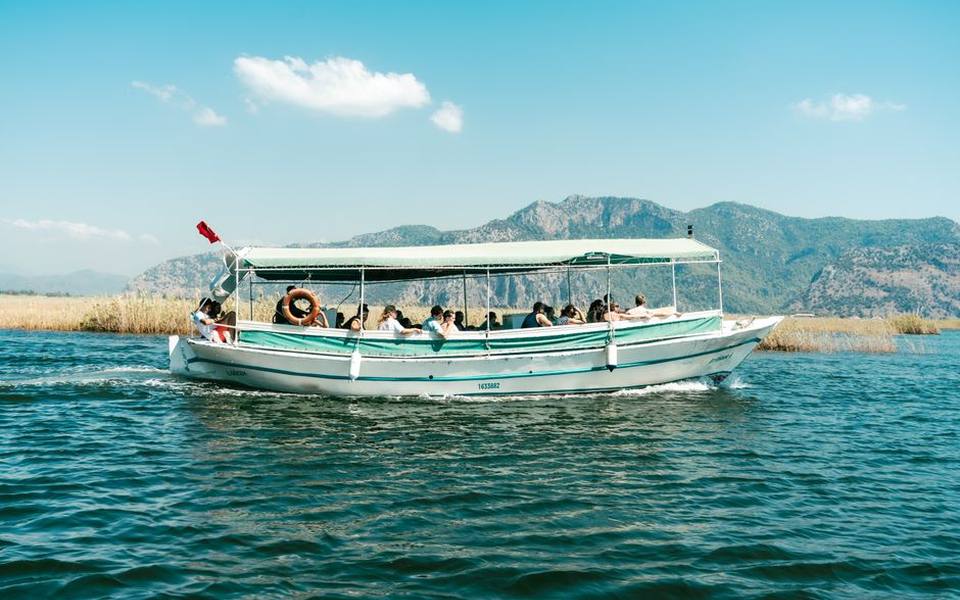
A day on a rental pontoon also provides direct insight into motor requirements and fuel economy. Rental fleets typically rig their vessels with conservative outboard engines engineered for durability and modest speeds rather than watersports. Spending a few hours driving an entry-level rental helps you establish a performance baseline, showing whether a forty-horsepower motor satisfies your local cruising needs or if your lifestyle demands an engine with substantially more acceleration and torque.
When comparing the cost of seasonal rentals against searching for an active boat for sale pontoon listing, consider storage logistics and how often you will actually hit the water. If your schedule allows for only two or three outings each summer, renting eliminates slip fees, annual insurance, and off-season winterization chores. If you anticipate spending every sunny weekend on the water, the cumulative expense of rentals quickly justifies the investment in private ownership.
Evaluating Deck Layouts and Seating Configurations
Deck floor plans determine how comfortably your guests move around, socialize, and relax throughout a day on the water. The most common layout features plush perimeter seating with twin forward bow lounges and an L-shaped bench adjacent to the helm. More recent trends emphasize dual rear-facing loungers at the stern, which provide an ideal vantage point while anchored at a sandbar or watching swimmers. However, stern lounger configurations require attentive supervision while underway to keep passengers secure inside the railing.
Seating durability should be a primary consideration when walking through different showroom packages. Marine vinyl faces intense ultraviolet radiation, sunscreen oils, and seasonal moisture, making high-density foam and mildew-resistant backing essential. When older vessels begin showing wear, searching for replacement seats for pontoon boat refits can become a significant project, involving pedestal bases, hinge alignments, and wood-free composite backing boards that prevent rot. Visiting dealership service desks with a parts counter helps identify factory-fit seat hardware before attempting custom upholstery work.
Look closely at walk-through clearances between opposing seat modules, especially near the center gate and the console. A deck that looks open on a digital floor plan can feel cramped once coolers, tackle boxes, and floating mats come aboard. Opting for under-seat storage compartments with raised water channels around the openings keeps gear dry during summer rainstorms, preventing musty smells and mildew from taking hold inside deep storage wells.
Dedicated Angler Configurations and Hybrid Fishing Platforms
Anglers do not have to sacrifice pontoon comfort to chase bass, crappie, or catfish, as modern manufacturers design dedicated multi-species fishing boat pontoon packages. These floor plans typically eliminate portioned perimeter lounges in the corners to install swiveling pedestal fishing chairs, rod holders, and aerated livewells directly onto the deck. A well-designed hybrid floor plan keeps half of the vessel dedicated to traditional family cruising while outfitting the stern or bow specifically for active casting and landing nets.
Rigging an angling pontoon requires thoughtful attention to electrical systems and deck wiring. Unlike fiberglass bass boats with hidden under-deck conduits, pontoons carry exposed undersides that demand protected wiring harnesses to power bow-mounted trolling motors and advanced sonar displays. Look for models with integrated rod lockers that keep expensive graphite rods secure beneath lockable bench lids, preventing tips from snapping underfoot during casual family outings.
Stability remains the biggest advantage of choosing a pontoon platform for fishing over a narrow aluminum utility boat. Multiple anglers can stand along the same side railing without creating an uncomfortable list, making it safer for children and older family members to participate. Furthermore, the shallow draft of hollow aluminum tubes allows you to slide into weed beds and shallow flats where traditional deep-V hulls risk grounding their props.
Solo Angling with Inflatable and Personal Pontoons
Beyond multi-passenger aluminum deck boats, the market includes lightweight single-angler crafts designed for remote rivers and quiet backwaters. Units like the Colorado XT pontoon boat demonstrate how the basic multi-hull concept scales down into a portable, frameless or steel-framed inflatable float craft. These personal pontoons feature rugged PVC or nylon bladders that inflate quickly and ride high in the water, giving solo anglers exceptional maneuverability on waters inaccessible to traditional trailers.
Operating a personal pontoon differs significantly from driving a motorized recreational platform. Anglers steer using oars or swim fins, relying on a lightweight anchor system or small electric trolling motor to hold position against river currents. While they carry only a single person and limited gear, these specialized inflatables offer rugged stability, swiveling padded seats, integrated stripping aprons for fly fishing, and detachable saddlebags for tackle organization.
Choosing between a trailerable motorized craft and a compact inflatable depends on your geographic focus and storage capacity. An inflatable personal pontoon folds down into a car trunk or garage shelf, requiring zero registration fees in many states unless a motor is attached. If your goal is drifting quiet trout streams or remote reservoirs where no boat ramp exists, an inflatable pontoon offers unmatched flexibility compared to full-sized aluminum rigs.
Comparing Popular Brands: Sun Tracker, Bentley, and Harris
Navigating brand lineups requires understanding how manufacturers target different budget tiers, structural designs, and levels of interior refinement. The Sun Tracker pontoon boat family has long served as a dependable, high-volume benchmark for family boating, emphasizing accessible pricing and straightforward, family-friendly utility. Known for robust factory warranties and all-welded deck supports, a Sun Tracker pontoon delivers practical marine vinyl, durable consoles, and predictable handling for weekend lake excursions without overwhelming complexity.
Stepping into mid-tier offerings, a Bentley pontoon boat focuses heavily on value-driven construction paired with customized styling choices. Bentley builds its own furniture and consoles in-house, utilizing rotomolded seat frames that eliminate structural wood below the cushions. Their hulls feature heavy-duty aluminum transoms and diverse pontoon tube sizes, appealing to owners who want luxury aesthetics, custom powder-coated rails, and sound systems while avoiding top-tier boutique price points.
At the premium end of the spectrum, a Harris pontoon targets discerning owners who demand exceptional ride refinement, advanced helm electronics, and luxury finishing touches. Harris crafts vessels featuring heavy-gauge aluminum tubes, sophisticated acoustic dampening, and performance-tuned lifting strakes that deliver near-runabout handling. The difference between these brands shows up in hardware details, including stainless steel bimini fittings, ergonomic digital touchscreens, and reinforced chassis brackets that reduce vibration across rough chop.
Shopping the Used Market: Finding Value Without Hidden Defects
The pre-owned multi-hull market offers substantial savings, but shopping for used pontoons for sale requires a meticulous structural inspection. Start by inspecting the underside of the aluminum tubes for deep gouges, flat spots, or repaired stress cracks along the weld seams. Water inside a pontoon log is a major red flag; tapping along the bottom edge with a rubber mallet produces a hollow ring on a sound tube, whereas trapped water dampens the sound into a dull thud.
Deck integrity is another critical checkpoint on older platforms. Before aluminum and composite subfloors became common, most manufacturers bolted marine-grade plywood directly to structural crossmembers. Walk every square foot of the deck, paying close attention around gates, motor wells, and seat pedestals for soft spots that indicate wood rot. Searching used boats in current inventory through established dealerships often provides peace of mind through professional multi-point inspections and title verification.
You may also encounter commercial listings offering a used pontoon barge for sale, which typically features a stripped-down deck used for marine construction, dock repair, or utility work. While these heavy-duty platforms offer high load capacities and simple mechanics, ensure the crossmembers and transom haven't suffered structural fatigue from industrial hauling. For recreational conversion, replacing the entire floor, electrical harness, and railing can easily exceed the cost of buying a standard pre-owned recreational pontoon.
Outboard Rigging, Performance Strakes, and Watersports
Selecting the right outboard horsepower determines whether your boat feels lively or sluggish when fully loaded with guests. Twin-tube models typically handle motors ranging from fifty to one hundred fifty horsepower, which is sufficient for casual cruising, dock outings, and towing children on inflatable tubes. If your boating lifestyle involves adult water-skiers, wake-skating, or cruising across massive waterways, equipping a tritoon with two hundred or three hundred horsepower provides the speed and torque needed.
Performance pontoon packages rely heavily on aluminum lifting strakes welded to the sides of the logs. These angled hydrofoils provide vertical lift as forward speed increases, lifting the rounded tubes higher out of the water to reduce drag and increase top-end speed. Paired with an aluminum underskin—a smooth sheet of aluminum attached underneath the deck crossmembers—these hydrodynamic enhancements prevent splashing water from surging against the floor beams, eliminating surging resistance and deck vibrations.
Do not overlook steering assistance when rigging high-horsepower outboards. Mechanical cable steering becomes stiff and physically demanding on engines exceeding one hundred fifteen horsepower, especially during aggressive maneuvering. Upgrading to hydraulic steering or power-assisted electronic steering significantly improves handling comfort, allowing the captain to dock smoothly and maintain stable tracking at cruising speeds.
Trailer Towing, Seasonal Storage, and Routine Care
Transporting a pontoon presents distinct aerodynamic challenges due to its wide profile, tall railing walls, and boxy cross-section. Towing requires an appropriately rated tow vehicle and a specialized trailer, typically chosen between a crank-up scissor trailer or a drive-on bunk trailer. Scissor trailers sit between the logs to raise and lower the frame mechanically, making them convenient for shallow ramp launches and tight storage sheds, while bunk trailers cradle the outside of the tubes for superior highway stability over long journeys.
Off-season storage requires thorough preparation to protect the expansive deck and upholstery from freezing temperatures and rodent intrusion. Cleaning the deck thoroughly with non-acidic aluminum cleaner prevents water-line staining from etching permanently into the metal tubes. Arranging professional winterization service ensures the outboard motor block, lower unit lubricants, fuel system, and freshwater holding tanks remain safeguarded against costly freeze fractures during sub-zero winters.
When outdoor off-season storage is the only option, high-grade marine shrink wrap protects the vessel better than loose mooring covers that sag under snow loads. Investing in secure yard space at dealerships offering on-site boat storage prevents winter moisture accumulation and keeps expensive multi-function displays, marine stereos, and helm seating safe from environmental weathering and sun rot.
Long-Term Ownership Costs and Resale Value Retention
Calculating the true financial commitment of pontoon ownership involves balancing routine operating expenses against historically strong resale retention. Annual expenses include slip rentals or ramp permits, comprehensive marine insurance, routine engine fluid services, and seasonal winterization. Because aluminum logs resist rust and outboards offer accessible service points, ongoing maintenance remains lower than that of complex fiberglass inboard or sterndrive runabouts.
Pontoons retain their market value remarkably well compared to other recreational watercraft segments. Aluminum hulls suffer little structural degradation over time if kept free of severe electrolysis or physical impacts, meaning a ten-year-old boat with clean upholstery and a well-maintained outboard retains a wide buying audience. Keeping detailed service records and storing the vessel under a fitted cover significantly enhances your position when it comes time to trade up.
Ultimately, investing in a pontoon or tritoon platform delivers versatile family recreation that easily adapts to evolving lifestyle needs. Whether you purchase a turnkey family cruiser from an established brand, hunt for a restoration-worthy pre-owned gem, or start with weekend rentals, understanding the underlying hull mechanics, power requirements, and care protocols ensures decades of safe, enjoyable time on the water.
Published 2026-09-20 · reviewed with each rebuild, last September 2026.
Find boat dealers near you
The directory lists 7,311 boat dealers by state and city — pick your state or use the “Near me” button in the header.
More guides
-
 Storage
Boat Storage and Slip Costs: Dry Storage, Mooring, and Marina Rates Guide
-
 Money
MoneyHow Much Does a Boat Engine Cost? Complete Marine Motor Pricing Guide
-
 Buying
How Much Does a Pontoon Boat Cost to Buy or Rent?
-
 Service
Cosmetic Maintenance, Surface Repairs, and Deck Restorations: A Practical Marine Guide
-
 Owning
Marine Electrical Systems, Critical Hardware, and Modern Repower Planning
-
 Service
Essential Boat Mechanical Repairs: Managing Cables, Pumps, and Routine Service
-
 Owning
Understanding Your Boat's Plumbing, Fuel Systems, and Ownership Costs
-
 Owning
How to Handle Boat Registration, Title Transfers, and USCG Documentation
-
 Owning
Complete Off-Season Preparation: Storage Steps, Costs, and Protective Canvas
-
 Safety
The Essential Boating Safety Equipment Checklist, Education Guide, and Ownership Budgeting
-
 Money
MoneyUnderstanding Marine Loans: Rates, Terms, and Approval
-
 Buying
Center Console vs. Bowrider Boats: Layouts, Costs, and Finding the Right Fit
-
 Safety
How to Tow a Boat Safely and Maintain Trailer Wheel Bearings
-
 Buying
What Is a Marine Survey and How Much Does It Cost?
-
Buying
Yacht Buying, Chartering, and Brokerage Guide
-
Owning
Boat Trailers, Launching, and Ramp Etiquette Guide
-
Buying
Complete Used Boat Buying Guide: Valuations, Inspection, and Bill of Sale
-
Buying
Jon Boats and Small Aluminum Fishing Boats: Complete Buyer and Build Guide
-
Buying
Bass Boats and Freshwater Fishing Boats Buyer's Guide
-
Buying
Outboard Motors Guide: Yamaha, Suzuki, Mercury Specs and Used Buying
-
Money
Navigating Boat Loans and Marine Financing: Rates, Loan Terms, and Monthly Payment Realities
-
Owning
Boat Clubs vs. Rentals and Charters: Which Waterway Option Fits You?
-
Service
The Complete Guide to Boat Maintenance, Winter Storage, and Mechanical Repairs
-
 Safety
Boating Safety Courses, Licenses, and Certification Guide
-
Buying
Catamarans Guide: Sailing, Power, Hobie, and Buying Options
-
Owning
Marine Batteries Buyer's Guide: Deep Cycle, Lithium, AGM, and Dual Purpose
-
Buying
Electric Trolling Motors: Complete Guide for Kayaks, Pontoons, and Fishing Boats
-
 Owning
Complete Boat Rental Guide: Destinations, Types, and Rates
-
 Service
Boat Fuel Systems and Injector Care: Tanks, Filters, and Cleaning
-
 Buying
Center Console Boats: Types, Construction, and Buying Guide
-
 Owning
Boat Docks, Lifts, and Flotation Systems: Complete Waterfront Guide
-
 Buying
A Complete Guide to Fishing Boats, Sonar Electronics, and Rod Rigging Systems
-
 Owning
Outboard Motors, Jack Plates, and Marine Propellers: The Complete Rigging Guide
-
 Buying
A Complete Guide to Boat Brands, Marine Brokers, and Finding the Right Dealer
-
 Money
MoneyBoat Insurance, Financing, and Title History Lookup: Complete Guide
-
 Buying
Small Boats, Kayaks, Canoes, and Inflatable Craft: Complete Buyer and Rigging Guide
-
 Owning
Marine Canvas, Bimini Tops, and Boat Covers: Selection and Care Guide
-
 Buying
Complete Guide to Boat Shows: Dates, Tickets, and Top US Events
-
 Owning
Boat Anatomy 101: Hull Parts, Steering Wheels, and Terminology