Understanding the Baseline Costs of Keeping a Boat
Calculating how much boat storage costs typically depends on the overall length of your vessel, the geographic region, and whether you choose indoor dry storage, an outdoor yard, or a dedicated slip at the water. Across most inland lakes and coastal basins, monthly storage fees can range anywhere from fifty dollars for an unpaved outdoor parking space up to several hundred dollars for climate-controlled indoor racking. The physical footprint of the hull dictates the base price, but local demand creates massive swings in pricing.
Dry storage facilities generally charge by the linear foot, measuring from the tip of the bow pulpit to the trailing edge of the outboard or swim platform. For an average twenty-foot runabout, standard dry yard space typically costs between one hundred and two hundred fifty dollars per month in moderate markets. Coastal metro areas or premier freshwater destinations naturally command much higher rates, especially during the peak boating season from Memorial Day to Labor Day.
Choosing between keeping a boat on a trailer at home, renting space in an industrial storage yard, or partnering with a marina with dedicated facilities comes down to convenience versus overhead. Many boaters find that exploring boat dealers with on-site storage offers a sensible compromise, providing secure staging, professional staff, and convenient access to routine haul-out equipment without the exorbitant rates of private luxury yacht clubs.
Wet Slip Rates, Mooring Balls, and Marina Dockage Structures
When evaluating how much a boat slip costs, the location and tier of amenities play the most decisive role. In freshwater inland lakes, a standard wet slip typically costs between one thousand five hundred and four thousand dollars per season, whereas coastal saltwater slips in high-demand regions can easily exceed five hundred to eight hundred dollars per month. Most commercial marinas bill either on an annual contract or by the foot per month, frequently establishing a minimum length charge of twenty-five to thirty feet regardless of your actual hull size.
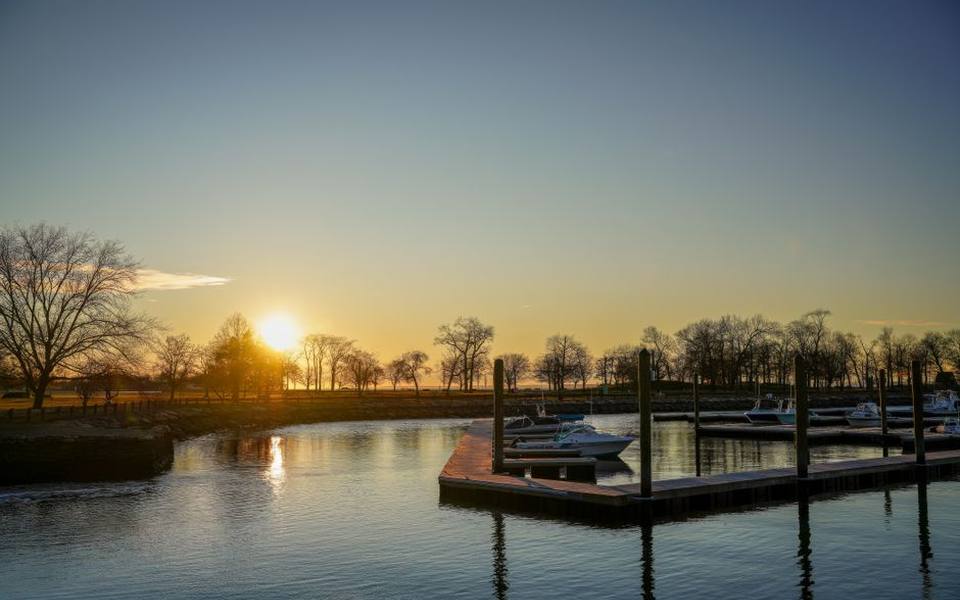
Mooring balls represent a budget-conscious alternative to traditional dock slips for owners comfortable with tender rides to their craft. A municipal or private mooring field typically costs between one hundred and three hundred dollars per month, offering a substantial discount compared to fixed or floating docks. However, moorings lack direct shore power, freshwater hookups, and effortless walk-on boarding, meaning you must carefully balance convenience against bottom-line slip savings.
Dock amenities fundamentally alter slip value. A basic slip without utilities will sit at the bottom of the regional price band, while full-service slips with dual thirty-amp electrical service, potable water, dock boxes, private security gates, and pump-out carts demand top-tier rates. Some marinas also assess monthly utility surcharges or mandate that slip holders carry at least three hundred thousand to five hundred thousand dollars in watercraft liability coverage before signing a dockage lease.
Dry Stack and Indoor High-and-Dry Facilities
Dry stack marinas—frequently termed high-and-dry storage—provide an appealing alternative for owners who want their vessel protected from sun and marine growth without towing a trailer each weekend. In these facilities, heavy-duty marine forklifts lift your boat from a multi-tier indoor rack and drop it directly into the water upon request. Monthly costs for indoor dry stack typically range from twelve to twenty-five dollars per foot, making a twenty-four-foot boat run between three hundred and six hundred dollars per month depending on the venue.
The primary benefit of rack storage is hull preservation. Boats kept out of the water stay free of barnacles, blister-causing moisture intrusion, and destructive UV degradation on upholstery and canvas work. In addition, you avoid the need to apply toxic anti-fouling bottom paints, which preserves factory gelcoat and protects your boat's resale value over years of ownership.
Availability can be limited, and service schedules require advanced planning on holiday weekends. Most high-and-dry marinas require at least an hour of notice before staging your craft in a work cradle or splash basin. In coastal areas prone to severe storms, enclosed hurricane-rated dry stacks also grant peace of mind, though insurance underwriters often request strict tie-down compliance inside the barn.
Trailer Storage and Tire Maintenance on the Road
Keeping your vessel on a trailer either in your driveway or at an off-site lot avoids dockage fees entirely, but it introduces trailering maintenance into your seasonal budget. Safe trailering requires specialized equipment, and finding the best boat trailer tires is critical for avoiding catastrophic highway blowouts under heavy tongue loads. Special Trailer (ST) radial tires are specifically engineered with stiffer sidewalls and higher ply ratings than standard passenger tires to handle high-friction turning and highway heat.
Tire degradation often happens from the inside out due to intermittent use, prolonged outdoor sun exposure, and saltwater submersion at the boat ramp. Most marine mechanics recommend replacing trailer tires every four to six years regardless of remaining tread depth, maintaining inflation strictly to the maximum sidewall PSI. Investing in durable radial tires with an endurance speed rating and installing UV-blocking wheel covers while parked in outdoor storage dramatically extends rubber longevity.
Storing a boat on a trailer also demands vigilance over wheel bearings, hubs, and lighting harnesses. Waterproof LED lights and grease-packed bearing protectors reduce moisture ingress during launch cycles, ensuring you spend less time stranded along access corridors and more time running on the water.
Entry-Level Hulls and Family Multi-Species Fishing Platforms
Storage requirements should directly influence which vessel you purchase, especially for first-time buyers weighing overall footprints. For those scouting the best boat for beginners, a sixteen- to nineteen-foot dual console, bowrider, or compact pontoon strikes the right balance between manageable slip dimensions, straightforward driveway parking, and predictable handling around the fuel dock. These versatile hulls slip comfortably into standard twenty-foot garage spaces with a swing-away trailer tongue.
When weekend priorities lean toward household recreation alongside angling, the best family boat for fishing usually takes the form of a crossover fish-and-ski or a versatile dual console. These layouts incorporate integrated livewells, rod lockers, and trolling motor plugs alongside comfortable cushioned forward seating, ski tow bars, and folding sun biminis. By combining family leisure features with dedicated casting decks, owners avoid maintaining two separate specialized boats.
Smaller family platforms also enjoy significantly cheaper monthly storage rates. A eighteen-foot multi-species boat consumes far less slip space, burns modest fuel, and avoids the wide-beam surcharges that commercial marinas routinely levy against larger vessels. If you are comparing prospective hulls, reviewing the diverse boats for sale and marine inventory across your state helps clarify how interior floor plans match practical storage dimensions.
Bay Boats and Coastal Storage Realities
In coastal environments, bay boats represent one of the fastest-growing categories of center consoles due to their shallow drafts and capable offshore hulls. Evaluating the best bay boats requires examining hulls measuring twenty to twenty-six feet that feature moderate deadrise, low gunwales for casting, and sufficient freeboard to tackle choppy harbor inlets. Because these vessels frequently encounter brackish and saltwater, dry rack storage or freshwater lift slips are prime choices to guard against corrosion.
Storing a coastal center console in the water demands aggressive anti-corrosion practices. Salt air and stray harbor currents can quickly deteriorate sacrificial zinc anodes, marine wiring, and exposed engine hardware. If you must keep a bay boat in an open wet slip, installing an automated battery tender and applying quality silicone protectant to all electrical junctions prevents costly wiring repairs.
Regular freshwater washdowns are essential every time you pull into the marina slip or park on your home pad. Many seasoned coastal boaters prioritize facilities equipped with high-pressure freshwater washdown bays, allowing them to thoroughly flush out outboards, sea chests, and raw-water washdown systems immediately following a day exploring coastal flats.
Aluminum Bass Boats and Compact Storage Advantages
For freshwater anglers fishing timber-filled reservoirs or shallow backwaters, finding the best aluminum bass boat delivers outstanding durability and notably lower ongoing ownership overhead. An aluminum bass boat features a lightweight welded or riveted modified-V hull that shrugs off stump impacts and shallow rock strikes that would severely gouge fiberglass gelcoat. This rugged utility makes them remarkably popular across inland river systems and tournament circuits.
The reduced weight of an aluminium bass boat directly translates to effortless storage and towing dynamics. Most seventeen- to nineteen-foot aluminum rigs can be pulled comfortably by standard mid-size SUVs or half-ton trucks, allowing owners to bypass commercial slip fees altogether by keeping the rig parked inside a standard residential garage. In-garage storage eliminates weather exposure, cuts monthly slip rental costs to zero, and keeps your electronics clean and dry.
When kept in an open marina slip or unroofed storage lot, aluminum hulls require simple yet specific care. You must avoid pressure-treated lumber bunks made with copper additives on trailers or boat lifts, as galvanic corrosion can pit thin aluminum sheeting. Ensuring that your boat's hull zincs are properly grounded protects the metal integrity for decades of dependable angling.
Pontoon Storage Demands and Market Price Factors
Pontoons and high-performance tritoons provide incredible deck capacity, but their distinctive eight-and-a-half-foot beams and dual aluminum logs present unique storage hurdles. Prospective owners examining Bennington pontoon prices often find entry-level models starting in the high twenty-thousand to low thirty-thousand dollar range, while luxury high-horsepower tritoons can comfortably climb beyond eighty thousand to over one hundred fifty thousand dollars depending on engine packages and luxury helm finishes.
Because pontoons present massive surface areas that catch strong crosswinds, they demand sturdy wet slips equipped with robust dock pilings and heavy mooring cleats. Many commercial marinas charge an additional wide-beam surcharge of ten to twenty percent for pontoon slips, as they occupy more lateral fairway space than traditional narrow monohulls of comparable length.
Proper covers are non-negotiable for pontoon storage. Without an arched playpen cover supported by tension poles, rainwater pooling on open canvas will stretch fabric, snap support brackets, and foster mold growth across your expansive marine vinyl. For owners planning long-term wet mooring or seasonal lift storage, consulting dedicated pontoon boat dealers helps match the right hull configuration with appropriate slip and lift specifications.
Outboard Engine Maintenance and Mid-Range Repower Costs
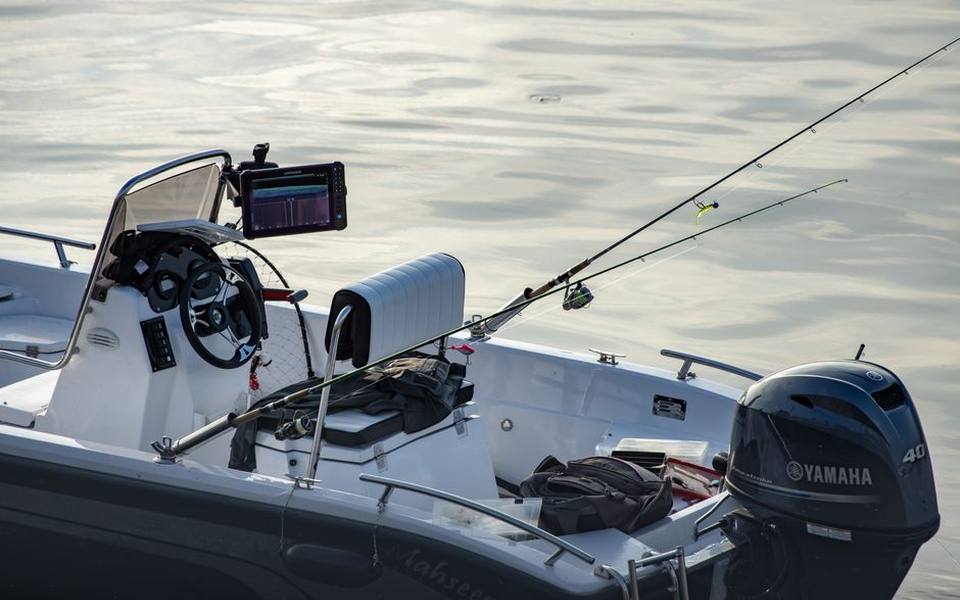
Outboard reliability directly impacts how comfortably a boat handles seasonal layups in wet or dry storage. When assessing small to mid-size skiffs, commercial work boats, or aluminum fishing platforms, current market pricing for a 40 hp Yamaha outboard price typically sits between six thousand five hundred and eight thousand dollars for the bare engine, with rigging kits, steering linkages, and dealer installation adding another eight hundred to two thousand dollars to the final ledger.
A reliable four-stroke outboard simplifies storage upkeep considerably compared to older two-stroke models. Modern electronic fuel injection systems eliminate gummed-up carburetor jets during brief storage intervals, though adding quality marine fuel stabilizer to non-ethanol fuel remains essential whenever leaving a boat idle in a slip for more than three weeks.
Before locking a boat into winter storage, the engine demands systematic winter servicing to prevent catastrophic freeze damage. Scheduling an appointment with certified boat dealers with service and repair ensures that lower unit gear lube is changed, freshwater cooling passages are fully drained, and fogging lubricants are applied to internal cylinder walls to protect your investment until spring.
Essential Onboard Gear: Marine Coolers and Personal Flotation
Equipping a docked or stored boat requires investing in durable gear that withstands relentless sun, temperature spikes, and rough handling. Selecting the best boat cooler is a vital consideration for long days on the water, with heavy-duty rotomolded coolers leading the class for ice retention over multi-day trips. Quality marine coolers feature non-skid rubber feet that prevent sliding across wet fiberglass, freezer-grade sealing gaskets, and UV-inhibiting polyethylene shells that won't yellow or crack under the midday sun.
Beyond cold storage, safety gear must be tailored to your vessel type and water activities. For tenders, small dinghies, or auxiliary paddlecraft carried alongside your docked cruiser, securing the best kayak personal flotation device ensures freedom of movement and reliable buoyancy. Specialized paddling PFDs incorporate high-cut backs that clear tall kayak seats, large arm openings for unhindered paddling strokes, and durable nylon shells with integrated attachment points for safety whistles and strobe lights.
All personal flotation devices kept aboard stored vessels should be inspected each spring for torn webbing, mildew, brittle buckles, and faded fabric. Storing PFDs inside breathable deck bags or ventilated cabin lockers rather than damp, enclosed bilges preserves foam buoyancy and guarantees compliance with state watercraft inspection standards.
Winterization Protocols and Seasonal Yard Storage
In cold-weather states, the seasonal transition from wet dockage to winter land storage represents the most critical period for hull and mechanical preservation. Freezing temperatures can rupture water heaters, split engine blocks, and burst livewell plumbing lines within hours if fluid systems are not purged. Arranging professional boat winterization and shrink wrap services provides a weather-tight thermal barrier that prevents heavy snow loads and water intrusion from ruining your interior.
Shrink wrapping creates a custom drum-tight shell around your hull, but it must be properly ventilated with louvered vents to prevent trapped condensation from generating destructive mildew across carpet and upholstery. Moisture-absorbing desiccant packs placed throughout the cabin and battery disconnect switches toggled to off ensure all electrical systems remain intact during dormant winter months.
When choosing a seasonal winter storage yard, confirm whether the facility provides dedicated cradle blocking or requires your craft to rest on its own road trailer. Yard accessibility during the off-season also varies widely; some facilities lock their gates completely from November through April, while others permit owners to perform weekend DIY maintenance projects provided they adhere to on-site environmental disposal rules.
Evaluating Total Annual Storage Budgets Before You Buy
A realistic boat ownership budget looks well beyond the purchase price of the hull and outboard. When aggregating seasonal slip rental, winter layover fees, haul-out charges, spring bottom cleaning, and insurance requirements, storage costs often account for twenty to forty percent of an owner's annual boating budget. Calculating these expenditures before signing a purchase contract ensures that your vessel remains an enjoyable asset rather than a financial strain.
Location drives massive variance in seasonal budgets. A boater in rural upstate waterways might pay under twelve hundred dollars for an entire summer slip season, whereas an owner keeping an identical vessel along coastal Florida, California, or Long Island Sound may face four to eight times that amount for comparable footage. Contacting several facilities within a forty-five-minute drive of your home often reveals dramatic price differences between bustling central harbors and quieter inland inlets.
Balancing routine slip convenience with trailering flexibility gives you total control over ongoing ownership expenses. By pairing informed hull selection with the right dry yard or wet marina arrangement, you can maximize your time out on the open water while keeping maintenance, storage, and dockage fees completely predictable.
Published 2026-09-20 · reviewed with each rebuild, last September 2026.
Find boat dealers near you
The directory lists 7,311 boat dealers by state and city — pick your state or use the “Near me” button in the header.
More guides
-
 Money
MoneyHow Much Does a Boat Engine Cost? Complete Marine Motor Pricing Guide
-
 Buying
How Much Does a Pontoon Boat Cost to Buy or Rent?
-
 Service
Cosmetic Maintenance, Surface Repairs, and Deck Restorations: A Practical Marine Guide
-
 Owning
Marine Electrical Systems, Critical Hardware, and Modern Repower Planning
-
 Service
Essential Boat Mechanical Repairs: Managing Cables, Pumps, and Routine Service
-
 Owning
Understanding Your Boat's Plumbing, Fuel Systems, and Ownership Costs
-
 Owning
How to Handle Boat Registration, Title Transfers, and USCG Documentation
-
 Owning
Complete Off-Season Preparation: Storage Steps, Costs, and Protective Canvas
-
 Safety
The Essential Boating Safety Equipment Checklist, Education Guide, and Ownership Budgeting
-
 Money
MoneyUnderstanding Marine Loans: Rates, Terms, and Approval
-
 Buying
Center Console vs. Bowrider Boats: Layouts, Costs, and Finding the Right Fit
-
 Safety
How to Tow a Boat Safely and Maintain Trailer Wheel Bearings
-
 Buying
What Is a Marine Survey and How Much Does It Cost?
-
Buying
Yacht Buying, Chartering, and Brokerage Guide
-
Owning
Boat Trailers, Launching, and Ramp Etiquette Guide
-
Buying
Complete Used Boat Buying Guide: Valuations, Inspection, and Bill of Sale
-
Buying
The Complete Pontoon and Tritoon Guide: Layouts, Brands, and Ownership
-
Buying
Jon Boats and Small Aluminum Fishing Boats: Complete Buyer and Build Guide
-
Buying
Bass Boats and Freshwater Fishing Boats Buyer's Guide
-
Buying
Outboard Motors Guide: Yamaha, Suzuki, Mercury Specs and Used Buying
-
Money
Navigating Boat Loans and Marine Financing: Rates, Loan Terms, and Monthly Payment Realities
-
Owning
Boat Clubs vs. Rentals and Charters: Which Waterway Option Fits You?
-
Service
The Complete Guide to Boat Maintenance, Winter Storage, and Mechanical Repairs
-
 Safety
Boating Safety Courses, Licenses, and Certification Guide
-
Buying
Catamarans Guide: Sailing, Power, Hobie, and Buying Options
-
Owning
Marine Batteries Buyer's Guide: Deep Cycle, Lithium, AGM, and Dual Purpose
-
Buying
Electric Trolling Motors: Complete Guide for Kayaks, Pontoons, and Fishing Boats
-
 Owning
Complete Boat Rental Guide: Destinations, Types, and Rates
-
 Service
Boat Fuel Systems and Injector Care: Tanks, Filters, and Cleaning
-
 Buying
Center Console Boats: Types, Construction, and Buying Guide
-
 Owning
Boat Docks, Lifts, and Flotation Systems: Complete Waterfront Guide
-
 Buying
A Complete Guide to Fishing Boats, Sonar Electronics, and Rod Rigging Systems
-
 Owning
Outboard Motors, Jack Plates, and Marine Propellers: The Complete Rigging Guide
-
 Buying
A Complete Guide to Boat Brands, Marine Brokers, and Finding the Right Dealer
-
 Money
MoneyBoat Insurance, Financing, and Title History Lookup: Complete Guide
-
 Buying
Small Boats, Kayaks, Canoes, and Inflatable Craft: Complete Buyer and Rigging Guide
-
 Owning
Marine Canvas, Bimini Tops, and Boat Covers: Selection and Care Guide
-
 Buying
Complete Guide to Boat Shows: Dates, Tickets, and Top US Events
-
 Owning
Boat Anatomy 101: Hull Parts, Steering Wheels, and Terminology