Understanding the Scope of Modern Compact Watercraft
Small watercraft represent the most accessible entry point into recreational boating, providing anglers and paddlers a direct way onto the water without the storage, towing, or maintenance overhead of large power vessels. Whether you are looking at rigid utility skiffs, hard-shell canoes, dinghies, or modern inflatable runabouts, each platform is built around distinct hydrodynamics, portability demands, and water conditions. Choosing the correct vessel begins with identifying where you intend to launch, how far you plan to travel, and whether human power or mechanical propulsion makes the most sense.
A versatile kayak boat offers rapid deployment off a shoreline or vehicle roof rack, allowing access to narrow shallows and weed beds that heavier fiberglass hulls cannot navigate. Meanwhile, rigid dinghies and compact inflatables serve reliably as ship-to-shore tenders, platform tenders, or standalone day cruisers on sheltered bays and inland reservoirs. Understanding hull shape, buoyancy distribution, and load ratings ensures that your chosen vessel delivers stable footing, tracks cleanly in crosswinds, and handles unexpected chop safely.
Before investing in any compact craft, evaluate your storage footprint and transportation logistics. A rotomolded plastic vessel can withstand gravel scratches and outdoor exposure, whereas collapsible inflatables fit neatly into a vehicle trunk or closet but require careful drying and pressure monitoring. Weighing these practical operational demands against your budget will help narrow down the style of hull that fits your everyday routine.
Evaluating Fishing Kayaks and Budget Angler Hulls
The angling market has transformed small boats dramatically over the last decade, turning single-person paddle hulls into highly specialized angling platforms. When exploring options like premium Old Town fishing kayaks or comparable pedal-drive craft, buyers encounter wide multi-chine pontoon hulls designed to let an angler stand up and sight-cast without tipping. These vessels feature integrated gear tracks, transducer scuppers, adjustable mesh stadium seats, and rudder systems that simplify holding position in moving water.
For newcomers trying to keep costs low, finding a cheap angler kayak that does not sacrifice stability is entirely achievable if you know which trade-offs matter. Entry-level recreational hulls adapted for fishing typically use basic rotomolded high-density polyethylene, which is rugged and abrasion-resistant but generally heavier and slower across open flats. Sacrificing dry-storage hatch complexity or hands-free pedal drives often saves hundreds of dollars while still delivering a seaworthy, customizable fishing setup.
When testing any fishing setup, seat height and deck width play the biggest roles in long-term comfort. A seat positioned higher off the deck improves sight lines and eases knee strain during casting, yet it also raises your center of gravity. Hull designs that flare broadly at the waterline compensate for this height, ensuring you remain balanced when setting hooks, netting fish, or reaching into stern cargo wells.
Sourcing and Inspecting Pre-Owned Kayaks
Shopping for a used kayak for sale offers an economical route to acquire premium brand features at an accessible price point, but plastic hulls demand careful visual examination. Polyethylene cannot be refinished like gelcoat, and extended sun exposure breaks down polymers over time, leaving the plastic brittle, discolored, or prone to cracking under localized stress. Look closely around scupper holes, keel lines, and the cockpit floor for severe gouges, stress fractures, or warped indentations caused by overtightened transport straps.
Deformities along the keel, often called oil-canning, occur when a plastic hull sits directly on hot crossbars or uneven ground for months. While minor indentations can occasionally be pushed out using warm sun or gentle heat, deep hull warps permanently ruin tracking efficiency and stability. Inspect metal hardware, rudder cables, and foot-brace tracks for corrosion, especially if the previous owner paddled in coastal estuaries or tidal bays.
Reputable marine outlets often carry trade-in inventory alongside larger vessels, giving buyers a trustworthy way to browse used boats in current inventory that have been checked over by knowledgeable staff. Purchasing pre-owned gear through established channels frequently includes structural inspections, ensuring you walk away with a reliable watercraft ready for immediate launching.
Canoe Characteristics and Launch Point Selection
Traditional open canoes remain unmatched when it comes to cargo volume, tandem touring efficiency, and simple overland portaging between disconnected lake chains. Built from lightweight composite laminates, aluminum, or rugged multi-layer thermoformed plastic, canoes let two adults haul several days worth of camping gear across protected water. Their open gunwales make loading dry bags, coolers, and rod tubes effortless compared to the restricted hatch openings found on most decked kayaks.
Putting in requires an awareness of river currents, shoreline substrates, and designated launch infrastructure. A designated public canoe launch often features low-profile floating docks, stabilized gravel ramps, or gradual sand berms engineered specifically to protect thin hull skins from sharp boulders and concrete drop-offs. Approaching a launch parallel to current or wind allows you to step directly into the centerline of the vessel while stabilizing the gunwales with your hands.
If you regularly explore shallow creeks or rocky river beds, hull rocker becomes an essential design element. A canoe with pronounced rocker turns quickly through tight river bends and skims over submerged boulders, whereas a hull with a dead-straight keel line tracks straighter across windy open lakes. Matching the rocker profile and hull width to your local waterways ensures predictable handling on every trip.
Utility Dinghies and Tender Configurations
Compact dinghies have long served as workhorses across marine harbors, ferrying crew, supplies, and fuel out to moored cruisers while doubling as casual exploration craft. Built either as rigid fiberglass tenders, welded aluminum prams, or inflatable runabouts, these small vessels prioritize internal buoyancy, high load capacities, and durability against rough pilings. Their wide, flat sterns and pronounced beam provide stable boarding platforms when stepping down off higher mother-ship swim decks.
Rigid hulls cut through wind chop predictably, maintaining clean directional control under small outboards or oars, but they demand designated davits, deck chocks, or trailer tongue space for overland transit. Conversely, collapsible soft-bottom tenders roll up into heavy-duty storage bags that slide beneath berths or into vehicle trunks, offering maximum convenience for boaters with minimal shore storage. Each configuration balances seaworthiness against physical handling effort during retrieval.
When sizing a tender, stability at rest is usually far more critical than outright speed. Multi-chambered inflatable sponsons provide exceptional buoyancy collars that resist capsizing even when an adult steps entirely onto the outer tube during boarding. Checking the manufacturer capacity plate ensures the vessel safely accommodates your typical passenger count and necessary safety equipment.
Selecting a Motor for Inflatable Boats
Adding mechanical power expands the operating radius of any soft-sided watercraft, but picking the right motor for inflatable boats requires careful attention to transom construction and horsepower ratings. Rigid transom boards bonded directly to inflatable pontoon tubes handle engine vibration and reverse thrust much better than auxiliary bracket mounts clamped over flexible rear tubes. Overpowering a small inflatable stresses glue seams and fabric welds, causing dangerous transom flex under heavy throttle.
Electric outboards and transom-mount trolling motors have become popular choices for lightweight tenders, delivering quiet operation and instant torque without carrying combustible fuel onboard. For larger rigid-inflatable hulls navigating coastal tidal currents, small four-stroke combustion engines ranging typically from two to ten horsepower provide the sustained thrust needed to push against heavy chop. In either case, distributing the weight of the fuel tank or lithium battery toward the bow helps prevent the stern from squatting.
Routine maintenance on transom hardware is vital, as vibration can loosen mounting clamps over time. Sourcing reliable brackets, tiller extensions, and fuel accessories is made simpler by consulting a parts counter at an authorized marine dealer. Proper mounting angle and trim pin adjustment ensure the propeller operates in clean water without ventilating into the hull wake.
Matching Paddles, Oars, and Rowing Hardware
Propelling a small boat efficiently requires matched propulsion gear, as poorly sized equipment causes shoulder fatigue, joint soreness, and poor maneuverability. Standard boat paddles for recreational kayaks feature asymmetric dihedral blades that balance water pressure across the stroke, preventing blade flutter in stiff breezes. Sizing depends heavily on the paddler torso height combined with overall boat width; a wider fishing kayak demands a longer shaft to clear tall gunwales cleanly without striking the hull sides.
In canoes, single-blade canoe paddles feature either traditional straight shafts for deep-water cruising or bent-shaft ergonomics designed to keep the blade vertical through the power phase of the stroke. Carbon-fiber composite shafts offer featherweight handling on long multi-mile days, whereas rugged laminated wood provides natural flex that absorbs joint shock on rocky river excursions. Maintaining a comfortable grip diameter ensures secure control when executing correction strokes.
For an open utility oar boat or rowing skiff, dedicated rowing oars utilize balanced shaft geometry, pinned oarlocks, and cupped blades to translate upper body power into forward momentum. Using the correct oar length relative to the span between your oarlocks produces proper leverage, preventing your hands from overlapping awkwardly or lifting clear of the water during the return stroke. High-impact polymer collars and leather sleeves protect wood and composite shafts from friction wear inside bronze or stainless-steel oarlock horns.
Building and Modifying a Jon Boat
Customizing flat-bottom utility hulls has become one of the most rewarding branches of personal boat ownership, turning basic aluminum hulls into tailor-made shallow-water rigs. When taking on the project of building a jon boat layout from scratch, owners commonly frame out custom front casting decks, recessed battery trays, dry storage compartments, and livewells. Aluminum square tubing or riveted angle iron is strongly preferred over treated lumber for framing, as dimensional wood traps moisture and accelerates hull corrosion.
Weight distribution represents the single most important consideration when designing internal deck frames. Placing heavy marine batteries, fuel tanks, and plywood decking too far forward can compromise shallow draft capability and create dangerous bow-steer characteristics when running through river bends. Marine-grade closed-cell pour foam should always be incorporated beneath modified decks to restore any flotation displacement lost during bench removal or hull modifications.
Before cutting into factory ribs or removing structural bench seats, examine whether the structural integrity of the thin aluminum skin relies on those transverse supports. If a major modification seems beyond your workshop skills, inspecting factory configurations among new boats for sale in stock can provide valuable structural templates and insight into how marine engineers brace flat-bottom hulls safely.
Launch Etiquette, Trailering, and Transport Logistics
Transporting small craft requires secure tie-downs and awareness of local ramp procedures, whether you use heavy-duty vehicle roof crossbars, a pickup bed extender, or a specialized lightweight trailer. Using cam straps rather than ratchet straps on rotomolded plastic or fiberglass shells prevents overtightening, which can crush hull seams or crack internal composite layers. Bow and stern tie-down lines provide crucial redundancy that stops wind shear from lifting roof-mounted hulls at highway speeds.
At public boat ramps, small boat operators should complete all vessel preparation—such as loading gear, installing drain plugs, and rigging rods—in designated staging areas before pulling onto the concrete launch apron. Backing down smoothly, sliding the hull into the water, and promptly moving the vessel away from the ramp dock keeps ramp lanes clear for larger trailered vessels that require deeper water and longer launch windows.
State registration mandates depend on propulsion type and hull length across different jurisdictions. In most states, even an eight-foot plastic kayak requires formal registration, state validation decals, and safety equipment like sounding devices if you attach an electric trolling motor. Verifying local laws before launching motorized craft prevents unexpected fines during routine water patrol checks.
Seasonal Storage, UV Care, and Fabric Maintenance
Protecting small craft from environmental exposure is vital for preserving hull strength, tube seams, and interior rigging components through the off-season. Ultraviolet radiation breaks down hypalon fabrics, PVC coatings, and polyethylene resins, making dedicated indoor storage or breathable, UV-resistant fabric covers essential. Storing plastic hulls suspended on wide webbing straps or resting on hull-conforming bunks prevents permanent flat spots from developing across bottom running surfaces.
Inflatable craft should be washed down thoroughly with fresh water and mild marine soap to remove salt crystals, sand, and algae before deflation and seasonal pack-up. Ensure fabric folds are bone dry to prevent mildew from attacking bonded seams, and store tubes loosely inflated in temperature-controlled spaces whenever practical to deter rodents from gnawing fabric creases.
For owners running small outboards or electric trolling units, seasonal engine service prevents fuel degradation, carb gumming, and corrosion inside lower units. Coordinating professional winterization service before prolonged freezing weather guarantees that cooling channels remain dry and internal gearcases stay lubricated against costly cold-weather damage.
Published 2026-09-20 · reviewed with each rebuild, last September 2026.
Find boat dealers near you
The directory lists 7,311 boat dealers by state and city — pick your state or use the “Near me” button in the header.
More guides
-
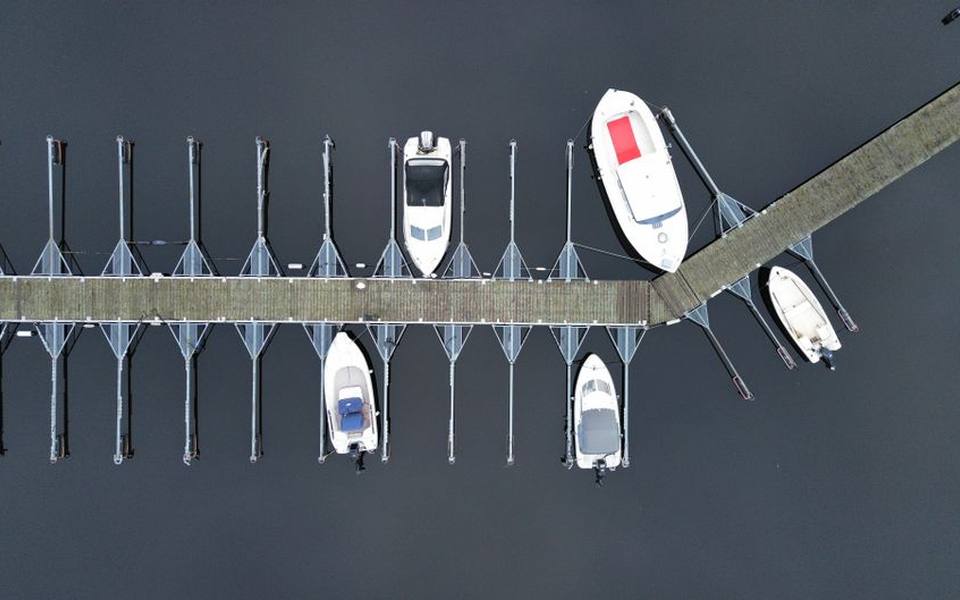 Storage
Boat Storage and Slip Costs: Dry Storage, Mooring, and Marina Rates Guide
-
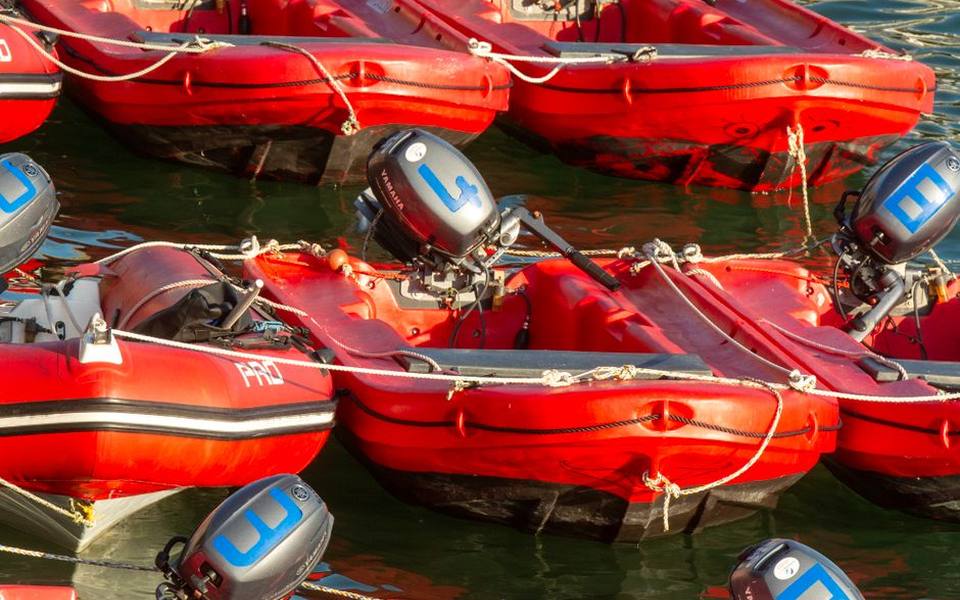 Money
MoneyHow Much Does a Boat Engine Cost? Complete Marine Motor Pricing Guide
-
 Buying
How Much Does a Pontoon Boat Cost to Buy or Rent?
-
 Service
Cosmetic Maintenance, Surface Repairs, and Deck Restorations: A Practical Marine Guide
-
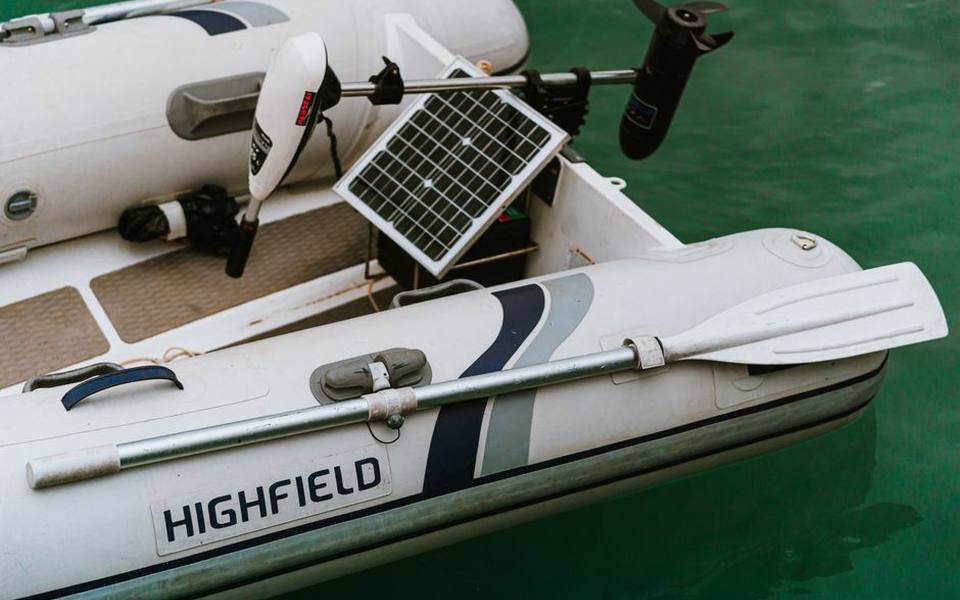 Owning
Marine Electrical Systems, Critical Hardware, and Modern Repower Planning
-
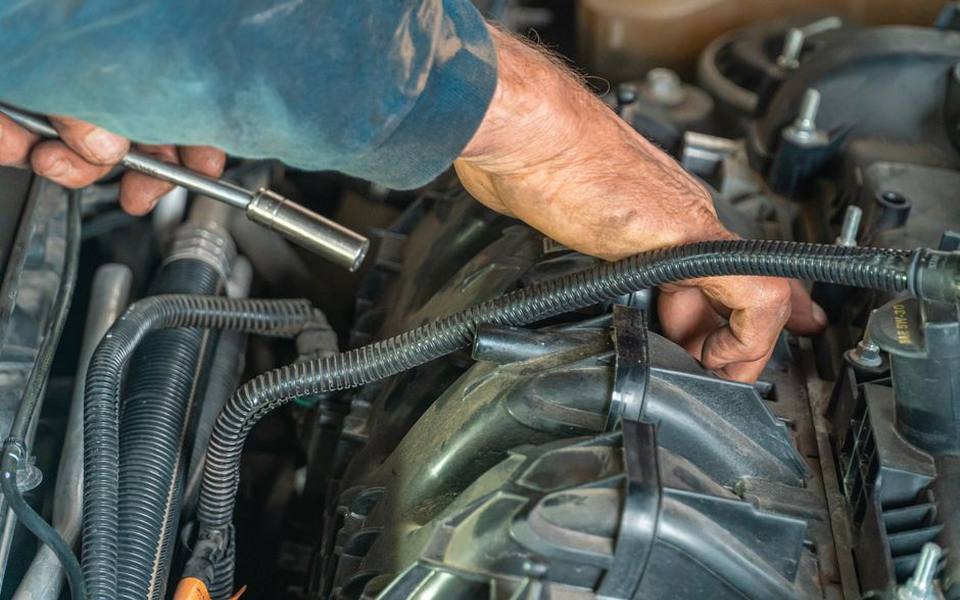 Service
Essential Boat Mechanical Repairs: Managing Cables, Pumps, and Routine Service
-
 Owning
Understanding Your Boat's Plumbing, Fuel Systems, and Ownership Costs
-
 Owning
How to Handle Boat Registration, Title Transfers, and USCG Documentation
-
 Owning
Complete Off-Season Preparation: Storage Steps, Costs, and Protective Canvas
-
 Safety
The Essential Boating Safety Equipment Checklist, Education Guide, and Ownership Budgeting
-
 Money
MoneyUnderstanding Marine Loans: Rates, Terms, and Approval
-
 Buying
Center Console vs. Bowrider Boats: Layouts, Costs, and Finding the Right Fit
-
 Safety
How to Tow a Boat Safely and Maintain Trailer Wheel Bearings
-
 Buying
What Is a Marine Survey and How Much Does It Cost?
-
Buying
Yacht Buying, Chartering, and Brokerage Guide
-
Owning
Boat Trailers, Launching, and Ramp Etiquette Guide
-
Buying
Complete Used Boat Buying Guide: Valuations, Inspection, and Bill of Sale
-
Buying
The Complete Pontoon and Tritoon Guide: Layouts, Brands, and Ownership
-
Buying
Jon Boats and Small Aluminum Fishing Boats: Complete Buyer and Build Guide
-
Buying
Bass Boats and Freshwater Fishing Boats Buyer's Guide
-
Buying
Outboard Motors Guide: Yamaha, Suzuki, Mercury Specs and Used Buying
-
Money
Navigating Boat Loans and Marine Financing: Rates, Loan Terms, and Monthly Payment Realities
-
Owning
Boat Clubs vs. Rentals and Charters: Which Waterway Option Fits You?
-
Service
The Complete Guide to Boat Maintenance, Winter Storage, and Mechanical Repairs
-
 Safety
Boating Safety Courses, Licenses, and Certification Guide
-
Buying
Catamarans Guide: Sailing, Power, Hobie, and Buying Options
-
Owning
Marine Batteries Buyer's Guide: Deep Cycle, Lithium, AGM, and Dual Purpose
-
Buying
Electric Trolling Motors: Complete Guide for Kayaks, Pontoons, and Fishing Boats
-
 Owning
Complete Boat Rental Guide: Destinations, Types, and Rates
-
 Service
Boat Fuel Systems and Injector Care: Tanks, Filters, and Cleaning
-
 Buying
Center Console Boats: Types, Construction, and Buying Guide
-
 Owning
Boat Docks, Lifts, and Flotation Systems: Complete Waterfront Guide
-
 Buying
A Complete Guide to Fishing Boats, Sonar Electronics, and Rod Rigging Systems
-
 Owning
Outboard Motors, Jack Plates, and Marine Propellers: The Complete Rigging Guide
-
 Buying
A Complete Guide to Boat Brands, Marine Brokers, and Finding the Right Dealer
-
 Money
MoneyBoat Insurance, Financing, and Title History Lookup: Complete Guide
-
 Owning
Marine Canvas, Bimini Tops, and Boat Covers: Selection and Care Guide
-
 Buying
Complete Guide to Boat Shows: Dates, Tickets, and Top US Events
-
 Owning
Boat Anatomy 101: Hull Parts, Steering Wheels, and Terminology