Navigating the Financial and Legal Foundations of Boat Ownership
Buying a boat involves a distinct financial and regulatory ecosystem that differs sharply from standard automotive retail. While an auto dealer can often finalize registration, financing, and standard collision coverage in a single afternoon, marine transactions typically demand thorough independent verification. Lending institutions apply distinct risk assessments to floating assets, insurance underwriters enforce strict operating boundaries, and title registries vary widely between state fish and wildlife departments and federal maritime registries.
Prospective buyers entering the market often underestimate how closely lending terms, insurance requirements, and hull verification interconnect. A lender will rarely disburse funds without proof of an agreed-value marine insurance binder and a verified, unencumbered title. Likewise, underwriters determine premiums not simply by the sale price, but by hull history, cruising waters, and the operator's recorded boating experience. Establishing clarity across each of these pillars protects your financial investment long before the vessel ever leaves the slip.
Whether you are looking at family runabouts or larger cabin cruisers across modern marine inventory, taking a measured approach to paperwork prevents expensive surprises. Understanding the exact mechanical condition, verified ownership chain, and potential financial encumbrances on a vessel ensures you enter the closing process with realistic expectations. Doing the homework upfront allows you to navigate negotiations calmly and secure terms that align with your long-term ownership goals.
Essential Marine Insurance and Watercraft Coverage Options
Securing proper marine insurance requires evaluating coverage structures tailored to the risks inherent to water travel. Standard homeowner policies rarely offer adequate protection beyond modest limits for small non-motorized craft or low-horsepower runabouts stored on private property. True marine policies separate into two primary settlement categories: agreed value and actual cash value. An agreed value policy locks in a predetermined hull and equipment replacement payout in the event of a total loss, whereas actual cash value factors in market depreciation and wear.
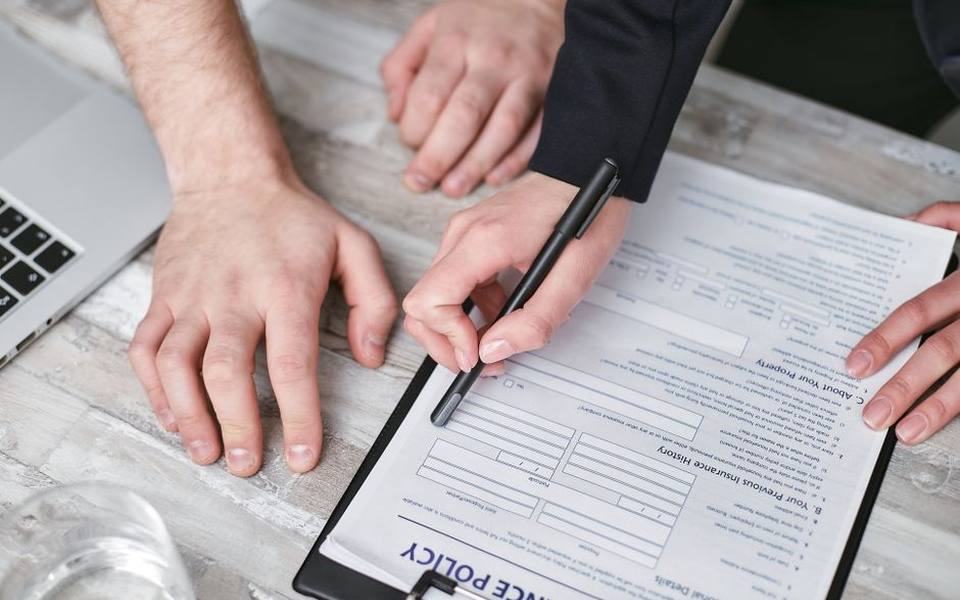
Beyond hull damage, comprehensive protection must address third-party liability, medical payments, and environmental liabilities. Federal maritime laws place strict, uncapped financial liability on vessel owners for fuel spills or waterway pollution resulting from a sinking or fuel tank breach. When gathering an initial watercraft insurance quote, always confirm whether the policy includes mandatory fuel spill containment and wreckage removal endorsements, as salvage operations on sunken vessels can easily reach five figures.
Operating territories, known within the marine insurance industry as navigation limits, dictate exactly where and when your coverage remains valid. Many policies define specific coastal ranges, restricting travel into offshore ocean waters or across international borders into Canadian or Bahamian waters without an approved policy rider. Furthermore, owners keeping vessels in hurricane-prone zones typically encounter seasonal named-storm clauses, requiring formalized storm haul-out plans to keep coverage active throughout peak weather seasons.
Comparing Major Underwriters and Specialized Marine Carriers
Finding reliable marine coverage often leads buyers to major consumer underwriters such as Progressive watercraft insurance and GEICO marine, as well as boutique marine underwriting syndicates. Broad-market insurers provide convenient digital quoting, bundle discounts with existing personal auto policies, and competitive rates for standard ski boats, pontoons, and bass boats operating on inland lakes. Their underwriting algorithms favor modern hulls with factory power packages and standard trailering profiles.
Specialized marine carriers, including GEICO watercraft insurance under specialized marine divisions, focus heavily on larger cruisers, offshore center consoles, and blue-water sailing craft. These carriers evaluate risks through experienced marine surveyors who review hull structural integrity, electrical grounding, and fuel system compliance before approving coverage. While their intake requirements are often more detailed, specialized policies frequently provide superior salvage recovery terms, broad fishing equipment allowances, and higher towing assistance limits.
When evaluating quotes from different carriers, examine how each underwriter handles mechanical breakdowns, freeze damage, and personal property on board. Low-cost baseline policies frequently exclude freeze-related engine block fractures or restrict towing reimbursement to nominal amounts that fail to cover commercial open-water salvage rates. Balancing premium costs against dedicated maritime protections ensures you carry genuine financial security rather than an illusory piece of paper.
Understanding Boat Loans, Down Payments, and Sailboat Rates
Marine lending behaves more like residential real estate financing than typical automotive credit, owing to the long depreciation cycles and high capital costs of modern vessels. Buyers working with dealers who offer boat dealers offering financing will encounter terms that typically extend anywhere from ten to twenty years, depending on the age and overall valuation of the hull. Down payments generally range between ten and twenty percent, though high-dollar yachts may require larger initial equity reserves.
Underwriters analyze a borrower's liquid net worth, credit score, and debt-to-income ratio with particular scrutiny. Because marine loans are considered discretionary leisure financing, credit thresholds are noticeably tighter than conventional consumer vehicle loans. Additionally, banks frequently require professional marine surveys for any used craft older than five to ten years to confirm that the collateral value accurately reflects the loan amount requested on the purchase agreement.
Prospective buyers exploring cruising vessels will find that sailboat loan rates often mirror powerboat financing, but with unique underwriting caveats. Sailboats intended for offshore passage-making or liveaboard arrangements face stricter eligibility guidelines from mainstream lenders, who often restrict loans to coastal or inland pleasure use. Marine lenders willing to underwrite blue-water sailboats typically require comprehensive vessel surveys, rigorous rigging inspections, and documented sailing resumes showing the captain's offshore operating experience.
The Hidden Traps of Boat Payment Takeover Arrangements
In financially turbulent periods, private sellers occasionally advertise boat payment takeover arrangements, suggesting that a prospective buyer can simply assume the remaining monthly loan installments without going through formal bank underwriting. While the prospect of bypassing strict credit checks and down payment requirements sounds enticing, informal payment assumptions are virtually always a direct violation of the original lender's contract. Nearly all marine promissory notes contain an explicit due-on-sale clause.
When an unauthorized transfer occurs, the original lender retains legal title or the primary security lien over the vessel. If the lender discovers the craft has changed possession without loan settlement, they hold the contractual authority to accelerate the debt, demanding the full remaining balance immediately. If the balance cannot be settled, the bank can repossess the vessel, leaving the secondary buyer with zero ownership rights and a total loss of all funds contributed toward past payments.
Insurance considerations create an equally dangerous liability trap in informal takeover transactions. Legitimate marine underwriters require the policyholder to hold an insurable interest backed by registered title or verified legal ownership. If a vessel involved in an unofficial loan assumption suffers a major loss or causes damage to public marina infrastructure, insurers will routinely deny the claim due to misrepresentation of ownership, exposing both parties to immense out-of-pocket financial liability.
Hull Identification Number Lookups and Title History Checks
Before finalizing the purchase of any pre-owned craft from private sellers or used boat dealers, conducting a thorough hull identification number lookup is mandatory. Standardized by the United States Coast Guard in 1972, the Hull Identification Number (HIN) consists of twelve alphanumeric characters permanently affixed to the vessel's starboard transom. This sequence encodes the manufacturer's identification code, the hull serial number, the certification month, and the model year.
A formal vessel HIN lookup reveals critical historical records that can protect you from purchasing a catastrophic liability. Marine title reporting registries track historical insurance claims, manufacturer safety recalls, salvage certificates, and past hurricane damage declarations. Hulls that have suffered severe structural inundation during coastal storms often re-enter the resale market under cosmetically restored appearances, hiding compromised stringers, delaminated transoms, and corroded wiring that only historical title data or seasoned surveyors can uncover.
Verifying the HIN also protects you against unreleased maritime liens and stolen property risks. Unlike automotive titles, which are managed exclusively at state motor vehicle divisions, marine vessels may be registered at the state level or federally documented through the Coast Guard's National Vessel Documentation Center. Searching both federal databases and state Uniform Commercial Code (UCC) lien registries confirms that previous maintenance facilities, salvage companies, or lenders have no outstanding financial claims against the hull.
Evaluating Market Value Through Marine Guides and NADA Boats
Accurately pricing a watercraft requires an understanding of how marine depreciation differs from automobile wear. Industry professionals and marine lenders regularly turn to NADA boats valuation resources, currently published under the J.D. Power marine valuation umbrella, to establish baseline wholesale and retail price expectations. These pricing guides compile national sales data, dealer trade-in records, and regional market trends to provide an objective baseline for fair market pricing.
When consulting pricing guides, you must distinguish between the hull valuation, the outboard or inboard propulsion units, and the included trailer. Many valuation guides list the bare hull valuation by default, requiring you to add optional mechanical features, auxiliary trolling motors, specialized marine electronics, and trailer values separately. For buyers planning to trade in their current watercraft through boat dealers accepting trade-ins, understanding these distinct valuation line items ensures balanced trade discussions.
Keep in mind that guide values serve as reference frameworks rather than rigid transaction prices. Marine market values fluctuate dramatically based on localized water access, seasonal timing, and the undeniable reality of vessel maintenance. A boat with comprehensive winterization records, pristine gelcoat, and recent marine survey grades will command a substantial premium over a neglected vessel of the exact same model year that requires fuel tank refurbishment or mechanical overhaul.
Credentials and Guidelines for the USCG Captain License
For recreational boaters seeking advanced marine competency, or entrepreneurs planning commercial charters, earning a USCG boat captain license represents the gold standard of professional maritime recognition. Issued by the National Maritime Center under the Department of Homeland Security, Coast Guard merchant mariner credentials demonstrate that an operator possesses verified navigational mastery, legal expertise, and extensive practical open-water experience.
The most common entry-level certification is the Operator of Uninspected Passenger Vessels (OUPV) credential, colloquially referred to across the boating industry as the six-pack license. This authorization allows the captain to operate commercial passenger charters carrying up to six paying guests on uninspected vessels up to one hundred gross tons. For larger passenger ferries, dinner cruisers, or commercial commercial towing, operators must pursue a formal Master Captain's license, which demands higher sea time thresholds and rigorous tonnage-specific endorsements.
Earning either credential requires meeting uncompromising administrative prerequisites before submitting paperwork to the regional examination center. Candidates must document extensive underway experience, typically requiring a minimum of 360 days on the water for an inland OUPV or 720 days for near-coastal Master credentials. In addition, applicants must pass a Department of Transportation marine drug screen, pass a rigorous maritime physical exam, obtain a Transportation Worker Identification Credential (TWIC), and hold active CPR and first-aid certifications.
Selecting a USCG Approved Captain's License Course
Navigating the rigorous academic syllabus required for a maritime license is significantly streamlined by enrolling in a USCG approved captain's license course. Historically, mariners had to take exhaustive direct examinations administered at Coast Guard Regional Examination Centers. Today, private maritime training academies provide Coast Guard-audited curriculums that include maritime law, electronic navigation, dead reckoning plotting, vessel safety regulations, and international collision prevention rules.
Completing an approved course offers a tremendous procedural benefit: upon passing the final school-administered tests, the Coast Guard accepts the academy's certificate of graduation in lieu of taking the standard federal exams at a government testing station. These training programs are available in structured multi-week evening formats, intensive weekend immersion bootcamps, and comprehensive self-paced digital distance learning platforms paired with proctored final assessments.
When vetting potential maritime schools, verify that the training provider holds current, active Coast Guard approval codes for the specific credential you seek. Quality maritime schools guide students through the complex maritime application packet, assisting with sea-service log notarization, medical disclosure forms, and credential renewal advice. Investing in an accredited training course provides practical navigational competence that makes you a vastly safer, more prepared boater on recreational waterways.
Completing the Transaction: Surveys, Escrow, and Clean Delivery
Once your financing is approved, your insurance binder is arranged, and your title verification checks out clean, finalizing the purchase requires disciplined attention to the closing paperwork. Whether browsing local brokerages or shopping verified boats for sale across state lines, utilizing an independent marine escrow agent or licensed broker ensures funds remain protected until sea trial conditions and professional survey discrepancies are formally resolved in writing.
Never waive a comprehensive pre-purchase survey on a substantial pre-owned vessel simply to expedite the closing date. An accredited marine surveyor acts as your independent technical advocate, examining structural hull moisture levels, inspecting fuel cell integrity, evaluating running gear, and conducting oil spectrochemical analysis on high-horsepower engines. The survey document provides leverage during final price negotiations and serves as the definitive valuation report required by your marine insurance underwriter and lender.
The final handoff must conclude with fully compliant transfer documentation. Ensure the bill of sale lists the hull identification number, trailer serial numbers, and outboard engine serial numbers as distinct items, matching the corresponding certificates of title. Verify that state sales tax obligations are handled accurately according to the vessel's primary hailing port or cruising jurisdiction. Taking these final procedural steps ensures that your maiden voyage is defined by pure maritime enjoyment and complete financial peace of mind.
Published 2026-09-20 · reviewed with each rebuild, last September 2026.
Find boat dealers near you
The directory lists 7,311 boat dealers by state and city — pick your state or use the “Near me” button in the header.
More guides
-
 Storage
Boat Storage and Slip Costs: Dry Storage, Mooring, and Marina Rates Guide
-
 Money
MoneyHow Much Does a Boat Engine Cost? Complete Marine Motor Pricing Guide
-
 Buying
How Much Does a Pontoon Boat Cost to Buy or Rent?
-
 Service
Cosmetic Maintenance, Surface Repairs, and Deck Restorations: A Practical Marine Guide
-
 Owning
Marine Electrical Systems, Critical Hardware, and Modern Repower Planning
-
 Service
Essential Boat Mechanical Repairs: Managing Cables, Pumps, and Routine Service
-
 Owning
Understanding Your Boat's Plumbing, Fuel Systems, and Ownership Costs
-
 Owning
How to Handle Boat Registration, Title Transfers, and USCG Documentation
-
 Owning
Complete Off-Season Preparation: Storage Steps, Costs, and Protective Canvas
-
 Safety
The Essential Boating Safety Equipment Checklist, Education Guide, and Ownership Budgeting
-
 Money
MoneyUnderstanding Marine Loans: Rates, Terms, and Approval
-
 Buying
Center Console vs. Bowrider Boats: Layouts, Costs, and Finding the Right Fit
-
 Safety
How to Tow a Boat Safely and Maintain Trailer Wheel Bearings
-
 Buying
What Is a Marine Survey and How Much Does It Cost?
-
Buying
Yacht Buying, Chartering, and Brokerage Guide
-
Owning
Boat Trailers, Launching, and Ramp Etiquette Guide
-
Buying
Complete Used Boat Buying Guide: Valuations, Inspection, and Bill of Sale
-
Buying
The Complete Pontoon and Tritoon Guide: Layouts, Brands, and Ownership
-
Buying
Jon Boats and Small Aluminum Fishing Boats: Complete Buyer and Build Guide
-
Buying
Bass Boats and Freshwater Fishing Boats Buyer's Guide
-
Buying
Outboard Motors Guide: Yamaha, Suzuki, Mercury Specs and Used Buying
-
Money
Navigating Boat Loans and Marine Financing: Rates, Loan Terms, and Monthly Payment Realities
-
Owning
Boat Clubs vs. Rentals and Charters: Which Waterway Option Fits You?
-
Service
The Complete Guide to Boat Maintenance, Winter Storage, and Mechanical Repairs
-
 Safety
Boating Safety Courses, Licenses, and Certification Guide
-
Buying
Catamarans Guide: Sailing, Power, Hobie, and Buying Options
-
Owning
Marine Batteries Buyer's Guide: Deep Cycle, Lithium, AGM, and Dual Purpose
-
Buying
Electric Trolling Motors: Complete Guide for Kayaks, Pontoons, and Fishing Boats
-
 Owning
Complete Boat Rental Guide: Destinations, Types, and Rates
-
 Service
Boat Fuel Systems and Injector Care: Tanks, Filters, and Cleaning
-
 Buying
Center Console Boats: Types, Construction, and Buying Guide
-
 Owning
Boat Docks, Lifts, and Flotation Systems: Complete Waterfront Guide
-
 Buying
A Complete Guide to Fishing Boats, Sonar Electronics, and Rod Rigging Systems
-
 Owning
Outboard Motors, Jack Plates, and Marine Propellers: The Complete Rigging Guide
-
 Buying
A Complete Guide to Boat Brands, Marine Brokers, and Finding the Right Dealer
-
 Buying
Small Boats, Kayaks, Canoes, and Inflatable Craft: Complete Buyer and Rigging Guide
-
 Owning
Marine Canvas, Bimini Tops, and Boat Covers: Selection and Care Guide
-
 Buying
Complete Guide to Boat Shows: Dates, Tickets, and Top US Events
-
 Owning
Boat Anatomy 101: Hull Parts, Steering Wheels, and Terminology