The Critical Role of Marine Fabric in Protecting Your Investment
Shielding a boat from ultraviolet degradation, moisture intrusion, and windblown debris is one of the most cost-effective ways to preserve its structural integrity and market value. Gelcoat oxidizes under relentless sun, vinyl upholstery dries and splits, and electrical components suffer rapid corrosion when exposed to rainwater and pooling dew. Outfitting your craft with high-grade marine canvas forms a reliable barrier that significantly reduces interior maintenance and slows the cosmetic aging process.
Choosing between lightweight protective dust sheets, rugged trailering tarps, and rigid shade structures depends heavily on where your vessel lives throughout the boating season. A hull tied to an open dock faces vastly different moisture and wind challenges than a center console resting on a driveway trailer under heavy tree cover. Understanding your local climate and storage setup ensures you invest in fabric weights and frame constructions that hold up against regional weather patterns.
Every fabric upgrade also pays dividends when it comes time to resell or trade in your vessel. Water intrusion beneath neglected upholstery ruins underlying marine plywood, promotes mildew growth in subfloor stringers, and requires costly teardowns to remedy. A well-designed canvas system keeps rain sheds functioning properly and keeps interior furnishings supple, ensuring the boat remains clean and turn-key between weekend excursions.
Choosing Full Enclosures, Mooring Tarps, and Trailering Covers
Finding a proper mooring or trailering boat with cover protection requires balancing heavy-duty water resistance with adequate air circulation. Moisture trapped beneath non-breathable plastic sheets can quickly trigger toxic black mold, blistering gelcoat, and foul cockpit odors. Multi-layer all-weather composite designs, commonly referred to in the market as seal skin boat cover styles, employ micro-porous interior membranes beneath tough polyester exteriors, allowing trapped condensation to evaporate while shedding standing water.
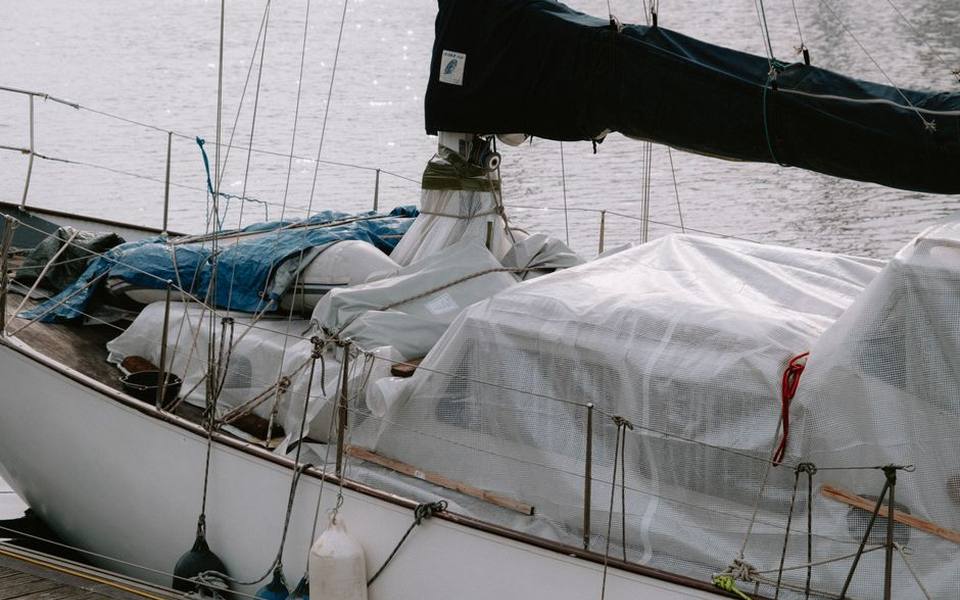
Trailering demands a much firmer fit than stationary slip mooring. When moving down the highway at fifty-five miles per hour, loose fabric flaps violently against the gunwales, quickly abrading the hull finish and snapping structural stitching. A dependable trailering cover incorporates reinforced tie-down straps, heavy belly bands, and internal padded patches over stress points like the trolling motor, windshield corners, and bow cleats to prevent tearing under sustained highway turbulence.
For slips and dry racks, tie-down systems should work smoothly with support poles to create an apex that prevents puddling. Even a few gallons of accumulated rainwater can weigh down canvas, bend internal aluminum bow supports, and snap tie lines. If you need replacement hardware or custom tie-downs, consulting boat dealers with a parts department makes it much simpler to match factory snaps, vents, and tensioning straps to your specific hull profile.
Bimini Tops, Frame Configurations, and Cockpit Canopies
A bimini cover for boat cockpits provides essential sun relief during midsummer outings without enclosing the helm in stifling cabin warmth. These open-sided shade tops mount directly to the gunwales or deck tracks, using two-, three-, or four-bow frames to support a taut fabric canopy over the captain and crew. The size and frame design you select dictate how stable the overhead shelter remains while cruising at cruising speeds through choppy waters.
Frame materials are typically split between lightweight anodized aluminum and heavy-wall marine-grade stainless steel. Aluminum is standard on runabouts and fishing skiffs due to its low weight and affordability, though it flexes more under stiff head winds. Stainless steel provides far greater rigid strength for offshore vessels, offshore center consoles, and large deck cruisers that frequently navigate rough coastal chop or tow water skiers at high throttle.
Modern boat canopy designs usually include a zip-on storage boot that neatly stows the folded fabric along the radar arch or support poles when not in use. Leaving canvas loose while trailering or running on open water exposes the folded canopy to excessive wind flutter, degrading fabric edges and popping snap closures. Keeping the bimini zipped inside its boot during transit extends thread life by several seasons.
Fitting Shade Systems on Small Utility Craft and Jon Boats
Adding overhead shade to small aluminum hulls presents unique mounting challenges because thin gunwales lack the reinforced backing plates found on larger fiberglass hulls. Installing a jon boat bimini top requires compact two-bow or three-bow frames configured to narrow beam widths, usually ranging from forty-eight to sixty inches across. Proper frame geometry ensures the shade does not interfere with tiller outboard steering, casting decks, or oar locks.
Quick-release clamps and sliding deck track fittings are standard solutions for utility skiffs, allowing anglers to fold the entire canopy down flat when casting or navigating beneath low-hanging river brush. Rigid thumb-screw brackets allow the frame to be detached entirely in a few minutes without drilling extra holes through the aluminum gunwale edges during every installation cycle.
Weight distribution is an equally important consideration on light aluminum hulls. Lightweight canvas fabrics mounted on thin-walled tubing keep the boat's center of gravity low and prevent dangerous wind-heel during sudden gusts. When browsing used boat dealers for small fishing rigs, inspecting the gunwale rivets around past canopy mounting points helps ensure previous owners did not crack the metal through improper frame tensioning.
Portable Sun Protection and Boat Umbrellas
Not every vessel has the deck space or hull lines suited for a semi-permanent bimini frame. A dedicated umbrella for boat use offers instant shade while anchored in a cove, drift fishing, or resting on a sandbar, without requiring permanent mounting screws into the deck. These marine shade umbrellas differ from standard patio models by utilizing non-corrosive fiberglass ribs, reinforced canopy vents, and heavy UV-rated canvas that withstands lake breezes.
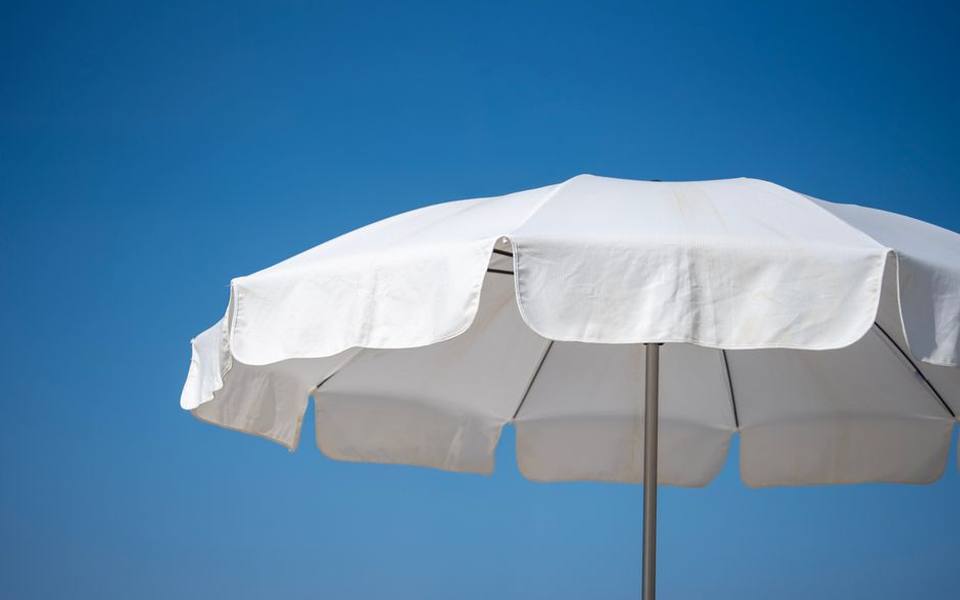
Mounting methods for marine umbrellas generally rely on existing deck hardware, such as flush-mount fishing rod holders, pedestal seat bases, or handrail clamps. Inserting an adjustable umbrella shaft into a standard thirty-degree rod holder positions the canopy directly over the aft cockpit or bow casting platform, keeping anglers out of the sun during hot afternoon bites.
While highly practical for leisure and drift days, portable marine canopies must be collapsed and stowed before firing the outboard engine. Running with an open marine umbrella quickly bends the mounting shaft and poses a significant hazard to passengers. Once collapsed, these units slide into compact storage sleeves that tuck neatly inside long gunwale rod lockers or beneath bench seating.
Preserving Seating with Protective Covers and Slip Sleeves
Marine vinyl is engineered to resist moisture, but prolonged exposure to UV radiation breaks down chemical plasticizers, causing seats to harden, discolor, and crack along the seams. Utilizing dedicated seat covers for boats prevents rapid sun aging when the vessel remains parked at the dock or in open dry storage. Custom-fitted covers slip directly over bucket seats, leaning posts, and pontoon loungers, protecting the delicate stitching from morning dew and direct solar heat.
For daily operational protection, boat seat slip covers provide a practical shield against sunscreen stains, fish slime, wet swimsuits, and pet claws. Slip sleeves made from breathable terry cloth, heavy neoprene, or marine canvas can be washed in residential machines and dried quickly, keeping primary factory upholstery clean during heavy weekend family outings.
When purchasing seat covers for boat seats, pay close attention to fastening systems such as elastic hems, marine snaps, and cord-lock drawstrings. A loose fit allows wind to catch the underside of the fabric, turning the cover into a parachute that can blow away during highway transit. Proper fitment keeps seat surfaces cool to the touch on scorching summer afternoons, avoiding uncomfortable burns when boarding.
Onboard Storage with Heavy-Duty Marine Bags and Canvas Totes
Keeping a deck organized requires gear bags capable of withstanding rough non-skid floors, saltwater spray, and constant handling. A rugged boat canvas bag constructed from heavy duck canvas or coated polyester provides a durable home for dock lines, anchor chains, safety equipment, and hand tools. Unlike rigid plastic bins that slide across wet decks, heavy fabric bags conform to tight under-seat compartments and hull contours.
High-performance marine canvas totes and gear haulers often incorporate mildew-resistant mesh bottoms or grommets that allow water to drain freely rather than pooling inside. When packing life jackets, electronic distress flares, or tow ropes, proper air movement prevents lingering moisture from degrading internal safety foam and metallic fittings over long storage intervals.
A specialized boat bag designed for marine life often features heavy-gauge nylon zippers that resist salt crusting and corrosion, alongside reinforced webbing handles capable of bearing substantial anchor and tackle weight. Stowing gear in designated marine totes keeps the cockpit free of tripping hazards while ensuring emergency items remain immediately accessible whenever conditions deteriorate unexpectedly.
Selecting Marine Fabrics and Understanding Material Grades
The longevity of any marine canvas installation depends on the raw fiber and coating chemistry used by the manufacturer. Solution-dyed acrylics are widely regarded as the gold standard for biminis and enclosures because color pigments are infused into the liquid acrylic polymer before the yarn is spun. This method prevents fading, provides exceptional UV resistance, and retains fabric softness without hardening over years of hot sun.
Polyurethane-coated marine polyesters offer outstanding abrasion resistance and high tear strength, making them popular candidates for heavy trailering and mooring tarps. While slightly less breathable than solution-dyed acrylics, high-denier polyesters provide superior water-head ratings, keeping driving rain out of cockpits during torrential storms. Choosing breathable weaves or integrated dome vents prevents mold colonies from thriving inside dark hull recesses.
Thread selection is just as vital as the fabric itself. Standard nylon threads degrade in sunlight within two to three seasons, leaving intact fabric loose at the seams. Top-tier marine canvas shops utilize bonded polyester or fluoropolymer threads that resist chemical breakdown, salt spray, and solar degradation for the entire operational life of the marine fabric.
Cleaning, Waterproofing, and Canvas Maintenance Routines
Routine maintenance prevents environmental fallout, spider droppings, and algae from permanently staining marine canvas. Rinsing fabrics with clear freshwater after every outing removes dried salt crystals that act as miniature abrasives against yarn fibers. For monthly cleaning, use a soft bristle brush and mild soap; harsh household detergents, bleach, and pressure washers strip away protective factory fluorocarbon coatings.
Over time, exposure to rain and sun naturally depletes the water-repellent finish on covers and biminis. When rainwater stops beading on the surface and begins soaking into the weave, it is time to reapply a dedicated marine-grade waterproofing treatment. The fabric must be completely clean and bone-dry before applying treatment spray, ideally on a warm, calm afternoon to ensure even absorption.
If you notice fraying hems, loose snaps, or brittle clear vinyl windows, schedule a checkup with boat dealers with service and repair departments. Marine upholstery specialists can re-stitch structural seams, replace oxidized brass snaps with stainless steel fasteners, and buff out cloudy strataglass windows, saving you the expense of a complete custom canvas replacement.
Off-Season Storage, Shrink Wrap, and Winter Layup
Preparing canvas systems for winter is critical in regions subject to heavy snowfall, ice accumulation, and freezing temperatures. Standard mooring covers and biminis are rarely engineered to bear the weight of heavy, wet snow. Left outside unsupported, snow accumulation bends aluminum frame bows, rips canvas tie-down loops, and collapses support poles directly into the windshield or steering console.
Many owners choose to remove canvas entirely in the autumn, cleaning and storing all fabric panels in climate-controlled indoor spaces. For outdoor yard storage, specialized boat yards wrap hulls in heat-sealed heavy polyethylene film that sheds snow smoothly. Utilizing professional boat winterization and shrink wrap services safeguards the vessel through sub-zero weather while protecting expensive custom canvas from seasonal ice tear.
If your vessel will rest inside a commercial warehouse or barn, a breathable dust cover keeps bird droppings and industrial dust off the gelcoat without trapping moisture. Working with trusted boat dealers with on-site storage ensures your boat remains shielded in a secure yard or heated facility, keeping your upholstery, canvas, and decking in pristine condition until spring launch.
Published 2026-09-20 · reviewed with each rebuild, last September 2026.
Find boat dealers near you
The directory lists 7,311 boat dealers by state and city — pick your state or use the “Near me” button in the header.
More guides
-
 Storage
Boat Storage and Slip Costs: Dry Storage, Mooring, and Marina Rates Guide
-
 Money
MoneyHow Much Does a Boat Engine Cost? Complete Marine Motor Pricing Guide
-
 Buying
How Much Does a Pontoon Boat Cost to Buy or Rent?
-
 Service
Cosmetic Maintenance, Surface Repairs, and Deck Restorations: A Practical Marine Guide
-
 Owning
Marine Electrical Systems, Critical Hardware, and Modern Repower Planning
-
 Service
Essential Boat Mechanical Repairs: Managing Cables, Pumps, and Routine Service
-
 Owning
Understanding Your Boat's Plumbing, Fuel Systems, and Ownership Costs
-
 Owning
How to Handle Boat Registration, Title Transfers, and USCG Documentation
-
 Owning
Complete Off-Season Preparation: Storage Steps, Costs, and Protective Canvas
-
 Safety
The Essential Boating Safety Equipment Checklist, Education Guide, and Ownership Budgeting
-
 Money
MoneyUnderstanding Marine Loans: Rates, Terms, and Approval
-
 Buying
Center Console vs. Bowrider Boats: Layouts, Costs, and Finding the Right Fit
-
 Safety
How to Tow a Boat Safely and Maintain Trailer Wheel Bearings
-
 Buying
What Is a Marine Survey and How Much Does It Cost?
-
Buying
Yacht Buying, Chartering, and Brokerage Guide
-
Owning
Boat Trailers, Launching, and Ramp Etiquette Guide
-
Buying
Complete Used Boat Buying Guide: Valuations, Inspection, and Bill of Sale
-
Buying
The Complete Pontoon and Tritoon Guide: Layouts, Brands, and Ownership
-
Buying
Jon Boats and Small Aluminum Fishing Boats: Complete Buyer and Build Guide
-
Buying
Bass Boats and Freshwater Fishing Boats Buyer's Guide
-
Buying
Outboard Motors Guide: Yamaha, Suzuki, Mercury Specs and Used Buying
-
Money
Navigating Boat Loans and Marine Financing: Rates, Loan Terms, and Monthly Payment Realities
-
Owning
Boat Clubs vs. Rentals and Charters: Which Waterway Option Fits You?
-
Service
The Complete Guide to Boat Maintenance, Winter Storage, and Mechanical Repairs
-
 Safety
Boating Safety Courses, Licenses, and Certification Guide
-
Buying
Catamarans Guide: Sailing, Power, Hobie, and Buying Options
-
Owning
Marine Batteries Buyer's Guide: Deep Cycle, Lithium, AGM, and Dual Purpose
-
Buying
Electric Trolling Motors: Complete Guide for Kayaks, Pontoons, and Fishing Boats
-
 Owning
Complete Boat Rental Guide: Destinations, Types, and Rates
-
 Service
Boat Fuel Systems and Injector Care: Tanks, Filters, and Cleaning
-
 Buying
Center Console Boats: Types, Construction, and Buying Guide
-
 Owning
Boat Docks, Lifts, and Flotation Systems: Complete Waterfront Guide
-
 Buying
A Complete Guide to Fishing Boats, Sonar Electronics, and Rod Rigging Systems
-
 Owning
Outboard Motors, Jack Plates, and Marine Propellers: The Complete Rigging Guide
-
 Buying
A Complete Guide to Boat Brands, Marine Brokers, and Finding the Right Dealer
-
 Money
MoneyBoat Insurance, Financing, and Title History Lookup: Complete Guide
-
 Buying
Small Boats, Kayaks, Canoes, and Inflatable Craft: Complete Buyer and Rigging Guide
-
 Buying
Complete Guide to Boat Shows: Dates, Tickets, and Top US Events
-
 Owning
Boat Anatomy 101: Hull Parts, Steering Wheels, and Terminology