Understanding the Modern Yacht Market and Where to Begin
Buying or chartering a yacht starts with defining how you intend to spend time on the water, because hull design, fuel capacity, and interior layouts vary dramatically based on purpose. In general marine terminology, vessels over forty feet equipped with dedicated living quarters, twin engines, and generator power are classified as yachts. Determining whether your primary goal is long-range coastal cruising, weekend island hopping, or tournament offshore sportfishing narrows your search immediately and prevents costly mismatching between your expectations and the actual capabilities of the vessel.
Prospective buyers must weigh the true commitments of whole ownership against the flexibility of private chartering. Owning an offshore craft requires ongoing slip rental, preventative mechanical maintenance, hull insurance, and regular systems management regardless of how many hours the vessel runs each season. Chartering allows you to enjoy luxury cruising itineraries without capital lockup or depreciation, serving as an exceptional testing ground to discover which stateroom layouts, galley configurations, and cruising speeds fit your personal lifestyle before executing a long-term purchase contract.
The current marketplace separates into series production builds, semi-custom fiberglass hulls, and bespoke full-displacement ocean cruisers. Production vessels generally feature predictable engineering and readily available replacement parts, making them easier to survey and resell. Semi-custom and full-custom hulls deliver elevated woodwork, upgraded electrical architectures, and personalized stateroom arrangements, but they typically require more specialized crew management and distinct maintenance routines depending on the marine systems integrated during the original yard construction.
Working with a Yacht Broker for Buying and Selling
A professional yacht broker functions similarly to a real estate advisor, representing either the buyer or the seller to navigate technical negotiations, marine documentation, and title verification. When you engage a dedicated buyer broker, their commission is typically split from the gross proceeds paid by the seller, meaning direct buyer representation carries no additional fee out of pocket. An experienced broker assesses recent sold-boat market data, identifies hidden refit costs in prospective listings, and coordinates sea trials and mechanical inspections.
Regional expertise matters significantly when sourcing vessels across different waterways. For instance, boaters working along the Chesapeake Bay often consult regional Virginia yacht brokers who understand shallow-draft requirements, brackish water hull wear, and local tidal conditions. Knowledgeable brokers guide clients through coast-to-coast searches, arranging professional oversight whether a vessel is tied up in the Pacific Northwest, the Great Lakes, or the coastal hubs represented by boat dealers in Florida where pre-owned supply remains exceptionally dense.
Beyond finding vessels, a reputable brokerage manages the critical fiduciary aspects of closing. All earnest money deposits should be held in dedicated escrow accounts until survey discrepancies and title encumbrances are resolved. Your broker prepares standard purchase agreements that stipulate strict conditions for deposit refunds if a vessel fails structural surveys or sea trials, ensuring you retain complete leverage until every major onboard system passes your surveyor's detailed operating benchmarks.
Navigating Pre-Owned Listings and the Survey Process
Reviewing vessels on the brokerage market requires looking past polished gelcoat and designer soft goods to inspect baseline mechanical health. Many pre-owned cruisers showcase modern helm electronics while harboring deferred maintenance inside the engine room, generator enclosure, and electrical distribution panels. Working with established used boat dealers and reputable listing houses allows buyers to examine documented service logs, oil sampling histories, and haul-out records that substantiate whether previous owners followed manufacturer-prescribed running gear and diesel maintenance.
A formal marine survey is the most important milestone in the purchasing sequence and should never be waived under any circumstances. A certified surveyor representing the Society of Accredited Marine Surveyors (SAMS) or the National Association of Marine Surveyors (NAMS) examines hull laminate integrity with moisture meters, checks stringers and bulkheads for stress cracking, and tests through-hull fittings and bonding systems. Simultaneously, an independent engine technician conducts a dedicated mechanical survey on the primary diesels, generators, and transmissions.
The haul-out portion of the survey reveals critical running gear components that cannot be evaluated at the dock. Technicians check the cutless bearings, rudder posts, propeller shafts, trim tabs, and underwater exhaust ports for signs of galvanic corrosion or mechanical play. If bottom blisters, bent shafts, or engine compression anomalies arise, buyers typically use the surveyor's written deficiency list to negotiate a purchase price reduction, demand yard repairs before closing, or walk away with their escrow deposit intact.
Purchasing New Production Models and Custom Builds
Ordering a new hull offers substantial advantages in personalization, modern fuel efficiency, and factory warranty coverage. When working through authorized new boat dealers, buyers receive direct support from the manufacturer for commissioning sea trials, hull structural guarantees, and engine manufacturer component coverage. New builds eliminate the unknowns of past operating histories, ensuring that every wire run, navigation transducer, and hydraulic line conforms to current American Boat and Yacht Council (ABYC) safety standards.
Custom and semi-custom production timelines depend on yard capacity, hull complexity, and the level of interior carpentry requested. Delivery schedules can range anywhere from six months for production mid-cabin express cruisers to several years for large multi-deck motor yachts. Throughout construction, payments are disbursed in milestone stages aligned with hull lamination, deck joining, engine setting, and final interior joinery, each requiring independent verification before the next funding draw is released.
Commissioning a new build requires patience during the shake-down period, as newly integrated electrical switches, sensor calibrations, and freshwater pumps inevitably need minor factory adjustments. Establishing a clear post-delivery punch list with the selling dealer guarantees that warranty technicians rectify baseline issues without delay, giving you confidence before embarking on offshore passages or extended coastal cruising itineraries.
Offshore Sportfish Convertibles and Tournament Platforms
Sportfishing convertibles represent a specialized segment of the yacht market engineered for long-range oceanic runs, high cruising speeds, and severe sea-state handling. Legendary builders like Viking Yachts have defined this category, manufacturing aggressive deep-V hulls paired with twin high-horsepower diesel propulsion capable of pushing forty knots. These vessels combine tournament-grade cockpits, refrigerated fish boxes, and hydraulic outriggers with luxurious salon layouts that rival dedicated cruising motor yachts.
The mechanical demands placed on tournament sportfish vessels are exceptionally rigorous compared to conventional displacement cruisers. Operating high-output marine diesels at continuous cruising speeds burns substantial fuel and accelerates scheduled fluid, turbocharger, and heat exchanger servicing. Buyers seeking tournament-ready platforms must examine engine hours closely, verifying that internal valve clearances, raw water impellers, and aftercoolers have received scheduled bench cleanings at prescribed running intervals.
Living accommodations inside modern convertibles feature mezzanine seating, multi-stateroom layouts, and full galleys engineered for long stays at remote fishing grounds. The structural engineering prioritizes low centers of gravity to ensure roll stability while trolling in heavy chop, making them appealing not only to serious blue-water anglers but also to cruisers who prize rugged open-ocean capabilities and authoritative sea-keeping over multi-level deck volume.
Luxury Yacht Charters and Private Vessel Rentals
Chartering provides an incomparable way to experience world-class destinations without assuming the capital exposure or operational headaches of vessel ownership. Luxury boat charter options range from single-day coastal excursions on crewed express cruisers to multi-week itineraries aboard hundred-foot motor yachts equipped with tender garages, jet skis, and private chef services. Chartering allows vacationers and prospective buyers to experience diverse hull styles and service standards across prime cruising grounds.
A formal luxury yacht charter operates under standardized contractual frameworks, most commonly the Mediterranean Yacht Broker Association (MYBA) or American Yacht Charter Association (AYCA) terms. Under these agreements, charterers pay a base charter fee plus an Advance Provisioning Allowance (APA), which typically covers fuel, dockage fees, premium food, beverages, and cruising permits. Any unspent balance from the provisioning allowance is refunded directly to the principal guest at the conclusion of the trip.
Selecting the right vessel for charter requires balancing guest count against interior living volume and crew composition. Mega yacht charter operations feature full professional crews including licensed captains, certified chief engineers, deckhands, and stewardesses who maintain 24-hour service standards. Communicating your intended itinerary, culinary preferences, and watersports expectations in advance guarantees that the charter broker and captain match your party with the ideal hull design and onboard inventory.
Marina Infrastructure, Slips, and Yacht Club Facilities
Securing dependable dockage is one of the most critical logistical hurdles in modern yacht ownership. Slip availability in popular coastal waterways is often constrained, with waitlists stretching months or years for slips accommodating vessels over fifty feet with wide beams. Before closing on a purchase, buyers must ensure their home port or preferred marina basin possesses sufficient channel depth, turning room, and overhead bridge clearances to accommodate the vessel's specific draft and air draft.
Full-service marina basins and established clubs, such as premier destinations modeled after Venetian Marina & Yacht Club properties, offer more than just a place to tie lines. High-end marine facilities provide three-phase electrical connections, in-slip high-speed diesel fueling, pump-out stations, gated perimeter security, and captain's lounges. Joining an organized yacht club provides reciprocal dockage privileges at affiliated club marinas along the Atlantic and Gulf coasts, simplifying long-distance cruising logistics.
Dockage arrangements generally divide into leased seasonal slips, deeded dockage, and transient wet slips. Deeded slips function as real estate transactions, providing permanent ownership and potential equity appreciation in premium harbors. If you plan to cruise seasonally between northern summer waters and southern winter destinations, establishing advance reservations with transient marinas along the Intracoastal Waterway (ICW) ensures smooth staging between cruising legs.
Financing, Closing Escrow, and Marine Documentation
Securing a marine loan for a multi-stateroom vessel requires specialized lending partners who understand marine asset valuation and maritime liens. Working with providers featured among boat dealers offering financing connects buyers with marine-specific lenders who structure terms typically extending up to fifteen or twenty years. Lenders scrutinize credit scores, asset liquidity, debt-to-income ratios, and the professional marine survey's fair market valuation before issuing loan commitments.
Vessels of substantial tonnage are generally registered via United States Coast Guard (USCG) federal documentation rather than simple state titling. Federal documentation establishes a clear chain of ownership, satisfies lender requirements for recorded First Preferred Ship Mortgages, and simplifies customs clearances when cruising outside domestic territorial waters into the Bahamas, Mexico, or the Caribbean. Marine title specialists review Coast Guard records to ensure all past mechanical, yard, and maritime salvage liens are satisfied.
Closing costs involve sales and use taxes that vary substantially depending on where delivery is legally taken. Several maritime states enforce capped sales tax policies to attract yacht purchases, while others tax the entire purchase price upon delivery. Escrow agents coordinate offshore delivery protocols or interstate transit documentation to ensure transactions conform strictly to applicable state tax codes and interstate commerce regulations.
Routine Maintenance, Service Yards, and Operating Budgets
Annual operating budgets for a luxury vessel typically run between ten and fifteen percent of the yacht's total market value, covering dockage, diesel fuel, insurance, and routine mechanical maintenance. Modern marine systems require continuous technical oversight, from raw water air conditioning pumps and desalinator watermakers to gyro stabilizers and central vacuum systems. Overlooking routine inspections leads to rapid equipment failure and exponentially higher replacement costs down the road.
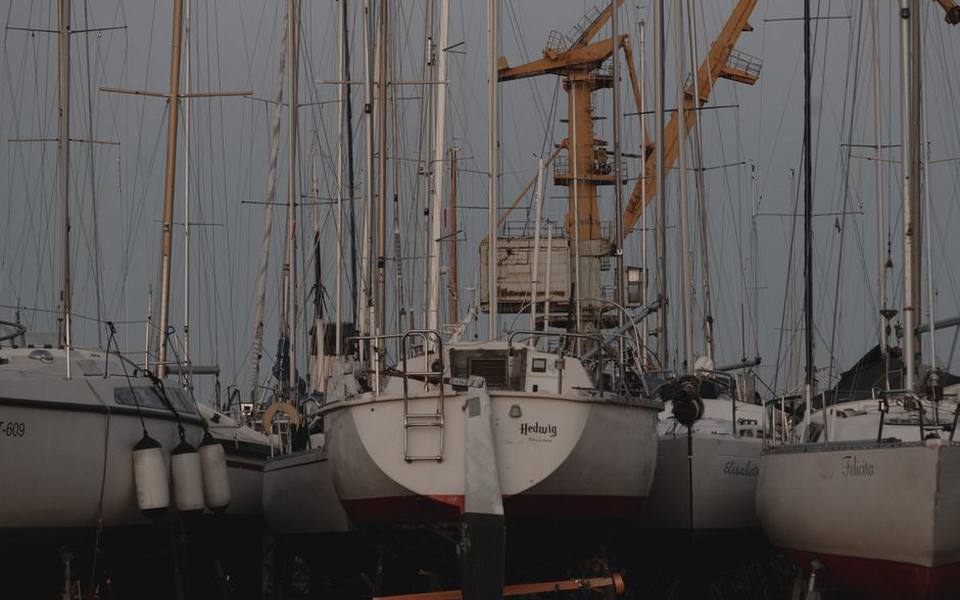
Establishing a working relationship with certified boat dealers with service and repair centers ensures access to factory-trained marine mechanics when maintenance intervals arrive. Diesel inboard engines require seasonal oil changes, zinc anode replacements, coolant flushes, and sea strainer cleaning. Modern common-rail electronic diesels also require dedicated computer diagnostics to monitor turbo pressures, injector pulse widths, and cooling jacket temperatures during heavy loads.
Routine shipyard haul-outs should take place every twelve to twenty-four months depending on water temperature and growth rates. Yard periods allow technicians to apply fresh anti-fouling bottom paint, service running gear, inspect rudder packings, and renew sacrificial anodes. Staying disciplined with preventative bottom care protects hull hydrodynamics, maximizes cruising fuel economy, and preserves resale value when the time comes to return to the brokerage market.
Seasonal Relocation, Storm Planning, and Winter Layup
Yacht owners along the eastern seaboard frequently relocate their vessels seasonally, migrating south toward the Keys and Bahamas in the late autumn and returning north to New England or the Chesapeake for the summer. Planning this annual migration requires coordinating professional delivery captains, monitoring coastal weather patterns, and timing navigation through locked waterways and drawbridges. Ensuring all onboard communications, radar scanners, and satellite trackers operate flawlessly is paramount before embarking on extended coastal passages.
For vessels remaining in hurricane-prone zones during summer and fall, marine insurers mandate detailed, written storm preparedness plans. These plans document where the vessel will be stored, whether it will be hauled out in a hurricane-rated tie-down yard, or how additional dock lines and chafe guards will be rigged in a designated hurricane hole. Failing to adhere to the insurance policy's stated storm plan can invalidate coverage in the event of windstorm or surge damage.
In colder northern climates, winterization must be comprehensive to safeguard costly plumbing, engine cooling blocks, and air conditioning chillers from catastrophic freeze fractures. Marine technicians flush domestic water systems with non-toxic antifreeze, drain raw-water engine circuits, and install industrial shrink wrap or arrange heated indoor dry storage. Meticulous winter preparation guarantees that onboard systems fire up cleanly when spring commissioning begins.
Published 2026-09-20 · reviewed with each rebuild, last September 2026.
Find boat dealers near you
The directory lists 7,311 boat dealers by state and city — pick your state or use the “Near me” button in the header.
More guides
-
 Storage
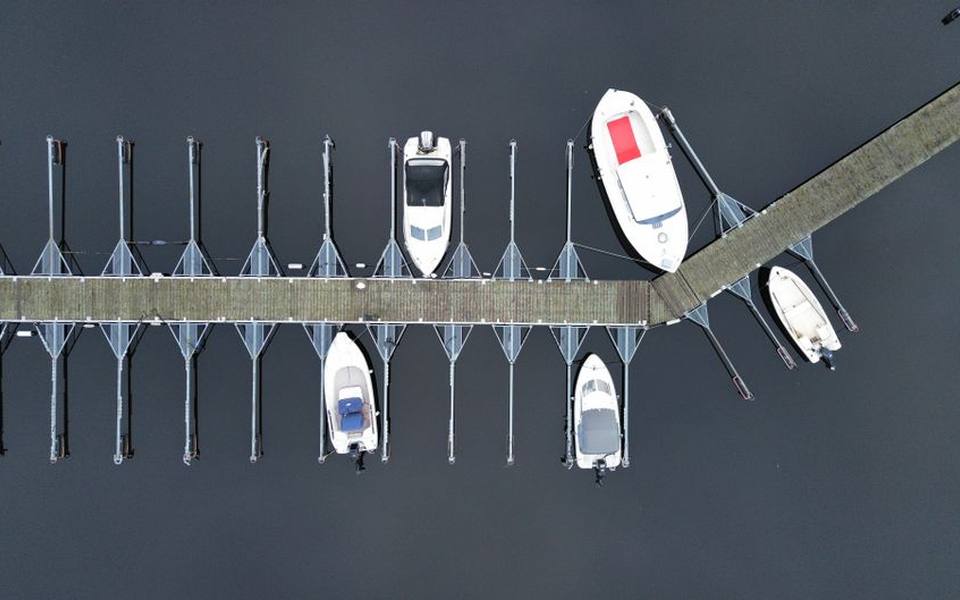
Boat Storage and Slip Costs: Dry Storage, Mooring, and Marina Rates Guide
-
 Money
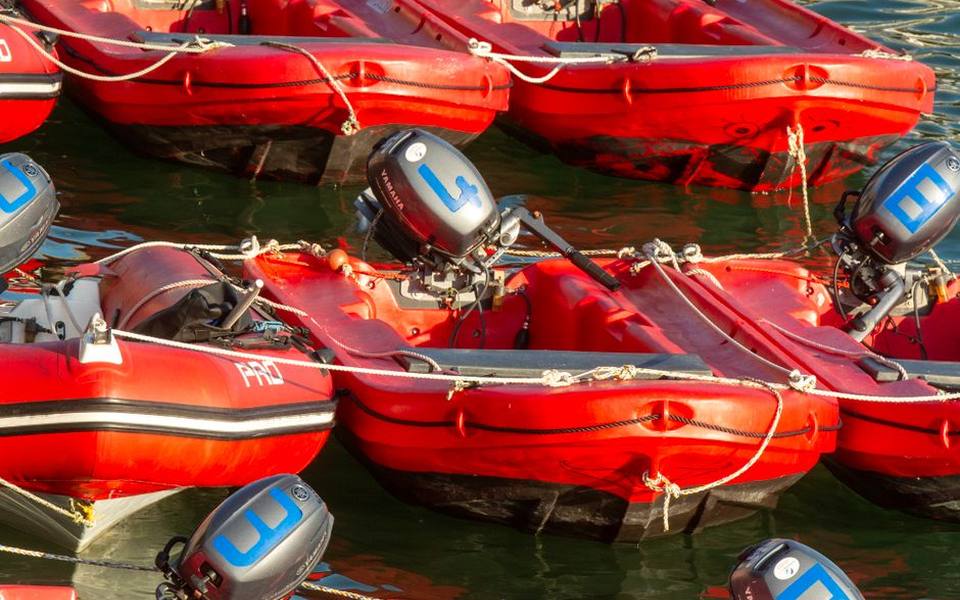
MoneyHow Much Does a Boat Engine Cost? Complete Marine Motor Pricing Guide
-
 Buying
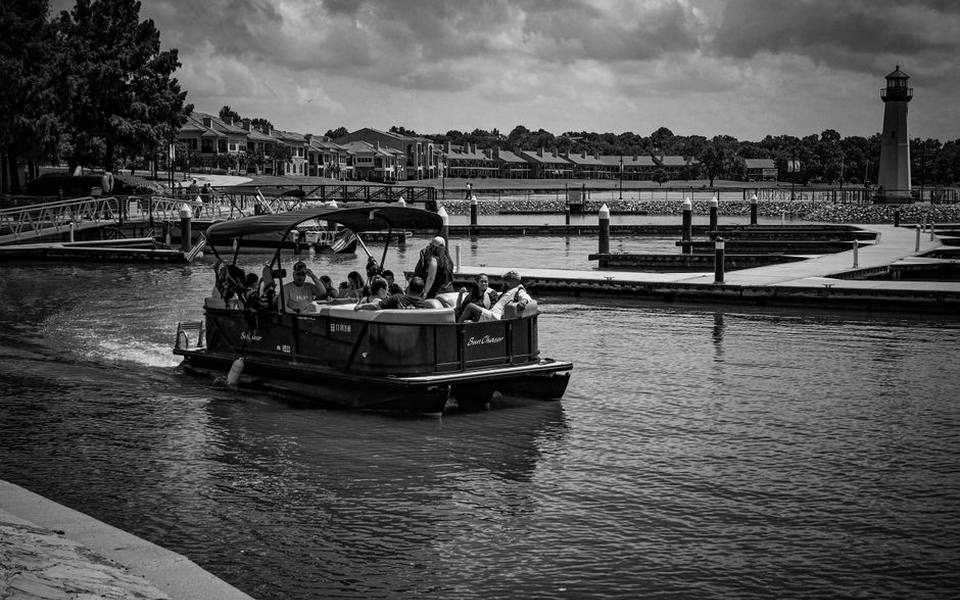
How Much Does a Pontoon Boat Cost to Buy or Rent?
-
 Service
Cosmetic Maintenance, Surface Repairs, and Deck Restorations: A Practical Marine Guide
-
 Owning
Marine Electrical Systems, Critical Hardware, and Modern Repower Planning
-
 Service
Essential Boat Mechanical Repairs: Managing Cables, Pumps, and Routine Service
-
 Owning
Understanding Your Boat's Plumbing, Fuel Systems, and Ownership Costs
-
 Owning
How to Handle Boat Registration, Title Transfers, and USCG Documentation
-
 Owning
Complete Off-Season Preparation: Storage Steps, Costs, and Protective Canvas
-
 Safety
The Essential Boating Safety Equipment Checklist, Education Guide, and Ownership Budgeting
-
 Money
MoneyUnderstanding Marine Loans: Rates, Terms, and Approval
-
 Buying
Center Console vs. Bowrider Boats: Layouts, Costs, and Finding the Right Fit
-
 Safety
How to Tow a Boat Safely and Maintain Trailer Wheel Bearings
-
 Buying
What Is a Marine Survey and How Much Does It Cost?
-
Owning
Boat Trailers, Launching, and Ramp Etiquette Guide
-
Buying
Complete Used Boat Buying Guide: Valuations, Inspection, and Bill of Sale
-
Buying
The Complete Pontoon and Tritoon Guide: Layouts, Brands, and Ownership
-
Buying
Jon Boats and Small Aluminum Fishing Boats: Complete Buyer and Build Guide
-
Buying
Bass Boats and Freshwater Fishing Boats Buyer's Guide
-
Buying
Outboard Motors Guide: Yamaha, Suzuki, Mercury Specs and Used Buying
-
Money
Navigating Boat Loans and Marine Financing: Rates, Loan Terms, and Monthly Payment Realities
-
Owning
Boat Clubs vs. Rentals and Charters: Which Waterway Option Fits You?
-
Service
The Complete Guide to Boat Maintenance, Winter Storage, and Mechanical Repairs
-
 Safety
Boating Safety Courses, Licenses, and Certification Guide
-
Buying
Catamarans Guide: Sailing, Power, Hobie, and Buying Options
-
Owning
Marine Batteries Buyer's Guide: Deep Cycle, Lithium, AGM, and Dual Purpose
-
Buying
Electric Trolling Motors: Complete Guide for Kayaks, Pontoons, and Fishing Boats
-
 Owning
Complete Boat Rental Guide: Destinations, Types, and Rates
-
 Service
Boat Fuel Systems and Injector Care: Tanks, Filters, and Cleaning
-
 Buying
Center Console Boats: Types, Construction, and Buying Guide
-
 Owning
Boat Docks, Lifts, and Flotation Systems: Complete Waterfront Guide
-
 Buying
A Complete Guide to Fishing Boats, Sonar Electronics, and Rod Rigging Systems
-
 Owning
Outboard Motors, Jack Plates, and Marine Propellers: The Complete Rigging Guide
-
 Buying
A Complete Guide to Boat Brands, Marine Brokers, and Finding the Right Dealer
-
 Money
MoneyBoat Insurance, Financing, and Title History Lookup: Complete Guide
-
 Buying
Small Boats, Kayaks, Canoes, and Inflatable Craft: Complete Buyer and Rigging Guide
-
 Owning
Marine Canvas, Bimini Tops, and Boat Covers: Selection and Care Guide
-
 Buying
Complete Guide to Boat Shows: Dates, Tickets, and Top US Events
-
 Owning
Boat Anatomy 101: Hull Parts, Steering Wheels, and Terminology