What to Expect Across the Modern Boat Show Circuit
Attending a marine exhibition provides the most efficient way to compare hull designs, layout configurations, and manufacturer build quality in a single afternoon. Instead of driving between scattered regional sales lots, visitors can step onto dozens of models within hours. Marine events broadly fall into two distinct styles: enclosed convention center displays held during mid-winter and sprawling in-water events hosted at coastal marinas from late summer through late autumn. Each environment serves a different stage of the buying process, giving newcomers and veteran skippers alike an unfiltered look at current market craftsmanship.
Convention events typically prioritize trailerable runabouts, deck craft, aluminum rigs, and family day cruisers arranged across carpeted convention floors. These indoor gatherings emphasize tactile comparisons, where you can easily climb boarding ladders, inspect cabin headroom, and examine stitch work across competing models parked side by side. Dealers often showcase wide cross-sections of new boats directly alongside factory product representatives who can answer complex technical questions regarding layup schedules, fiberglass coring, and propulsion setups that standard showroom brochures rarely explain in detail.
In contrast, in-water showcases let shoppers evaluate cruising yachts, offshore center consoles, and multihulls floating in their natural element. While boarding an in-water vessel often requires scheduling an appointment or waiting in line on a floating pontoon dock, it gives an accurate baseline for stability, boarding height from the waterline, and real-world cockpit flow. Regardless of the venue format, successful visits depend on arriving with clear intentions, comfortable shoes, and an objective checklist to distinguish smart engineering from superficial aesthetic styling.
Timing Your Visits and Securing Admission Tickets
Navigating the boat show schedule requires understanding how production cycles match regional maritime seasons. The primary convention season kicks off right after New Year's Day and continues through March, targeting owners looking to secure builds before spring launch dates. Outdoor and marina shows pick up in September and October, catching owners ready to trade up before winter haul-out begins. Planning around these seasonal waves allows shoppers to monitor factory inventory levels and catch dealer allocation windows before manufacturer production books close for the upcoming summer.
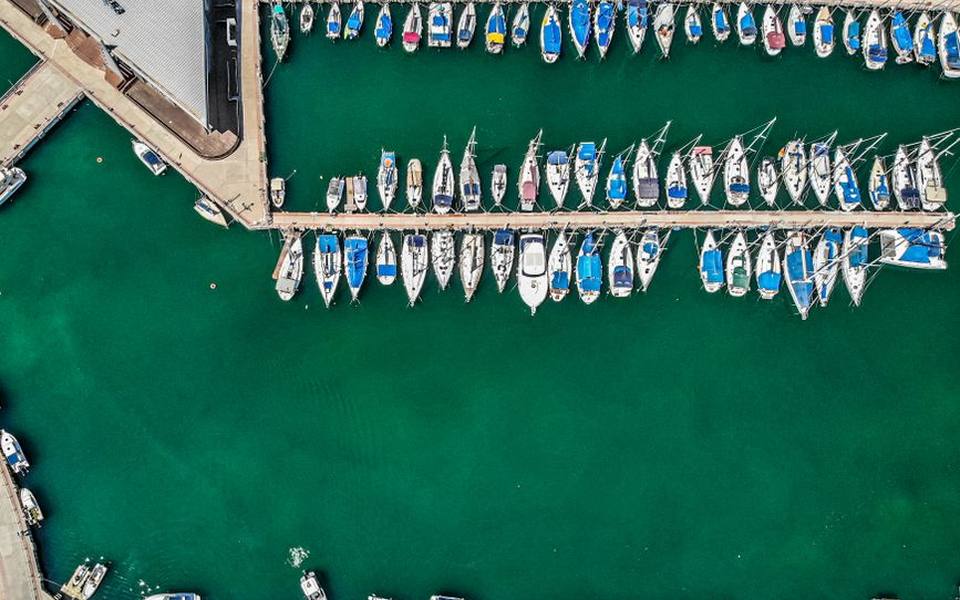
Securing general admission tickets has moved almost entirely online, with promoters offering digital passes that scan at turnstiles to streamline gate entry. Purchasing tickets ahead of time through authorized show websites typically saves several dollars compared to on-site gate kiosks, while helping avoid long morning admission queues. Many promoters introduce discounted multi-day passes, twilight entry tickets for late afternoons, and specialized preview-day credentials. Preview tickets carry a higher initial cost but allow serious shoppers onto the docks before the largest weekend crowds arrive.
If your primary goal is buying rather than casual browsing, weekday mornings remain the most strategic time to attend. Fridays, Saturdays, and Sundays often draw massive crowds that fill boarding lines and monopolize sales representatives, making thorough walkthroughs difficult. By walking through the gates on a Thursday morning, you gain unhurried access to dealer principals, certified marine technicians, and loan officers. This quiet window gives you adequate space to open floor hatches, test seating firmness, and ask nuanced structural questions without being rushed off the stern platform.
Fort Lauderdale and the In-Water Mega-Exhibition Scene
Widely recognized as the largest in-water exhibition in the world, the Fort Lauderdale International Boat Show occupies miles of docks across multiple maritime hubs every October. Centered around Bahia Mar Marina and connected via water taxis and shuttle buses, this gathering features everything from multi-engine saltwater sportfishers to custom transoceanic superyachts. The sheer geographic scale can overwhelm unprepared visitors, making a planned itinerary essential if you hope to navigate the distinct floating marine villages without spending your entire day waiting for water transport.
Navigating this massive Florida gathering requires advance planning, particularly when securing entry credentials. Purchasing standard gate badges or VIP hospitality access well ahead of time prevents logistical headaches at major access checkpoints. Because many of the premier builders and international brokerages bring multi-million-dollar hulls to these floating docks, access to larger stern decks often requires pre-registering through regional brokers or scheduling viewings before the gates open. Showing up early with scheduled boarding appointments ensures you spend your afternoon inspecting cabins rather than standing in dockside queues.
South Florida represents a dense concentration of dealerships, marine surveyors, and specialized riggers, making it an educational proving ground for serious offshore shoppers. Visitors can connect directly with boat dealers in Florida who carry substantial regional allocations and deep technical knowledge regarding saltwater corrosion, engine ventilation, and coastal electronics. Even if your target vessel falls outside the superyacht category, examining how high-end builders handle wiring harnesses, bilges, and structural bulkheads provides a valuable reference point for assessing smaller production models.
Chesapeake Heritage at the Historic Annapolis Expos
Every autumn, historic downtown Annapolis transforms its waterfront into separate showcase events for sailing vessels and power craft. Spanning consecutive weekends in October along the historic City Dock, these gatherings create a unique floating neighborhood where temporary walkways bridge historic streets with Chesapeake waters. The Powerboat and Sailboat events draw dedicated mariners from throughout the Mid-Atlantic, providing an ideal atmosphere for evaluating coastal cruisers, trawlers, downeast hulls, and blue-water catamarans designed for extended passage-making.
The Annapolis layout allows prospective owners to experience hulls in a practical, authentic harbor setting rather than an artificial convention center hall. Because the City Dock area connects directly to bustling brick alleys, historic taverns, and bustling marine supplier counters, the event encourages deep technical conversations among experienced cruisers. Rigging specialists, sailmakers, and marine diesel mechanics are often present on the floating docks, making it a prime venue to ask questions about offshore safety gear, grounding systems, and living aboard full-time.
Because parking around historic maritime districts is inherently limited, navigating these Maryland events requires using regional satellite parking fields paired with city shuttle routes. Serious buyers frequently spend multiple days wandering the docks, observing how different hulls respond to harbor wakes while tied side-by-side along the temporary pilings. The Annapolis gatherings remain especially notable for fostering direct interactions with hull designers, naval architects, and small custom boatbuilders who rarely display at mass-market commercial venues.
Coastal New England and the Newport Maritime Showcase
Held in mid-September against the backdrop of Rhode Island's iconic sailing capital, the Newport International Boat Show marks the official beginning of the autumn marine exhibition calendar. Taking over the historic commercial wharves along America’s Cup Avenue, this gathering offers a polished blend of traditional craftsmanship and modern marine technology. It serves as a regional showcase for downeast lobster-style cruisers, custom cold-molded wooden hulls, modern performance sailing yachts, and rugged offshore center consoles built to tackle turbulent Atlantic swells.
What sets the Newport docks apart is the concentration of specialized Northeast boatwrights and composite builders who prioritize sea-keeping ability over flashy interior glitz. Walking the wooden piers allows shoppers to examine deep entry angles, pronounced reverse chines, and substantial rub-rails engineered for challenging coastal waters. The event also hosts prominent industry awards programs recognizing domestic new-model debuts, offering attendees an early look at innovative green-propulsion setups, advanced navigation interfaces, and cutting-edge electrical integration systems before they reach widespread national distribution.
Attending requires practical awareness of Newport's compact coastal geography. Accommodations book up months in advance, and parking inside the harbor zone is strictly controlled. Savvy visitors utilize perimeter park-and-ride lots and water water taxis to arrive directly at the marina slips. Because late summer weather in New England can swing from sunny calm to driving coastal squalls, arriving with appropriate foul-weather gear ensures you can thoroughly inspect exposed deck layouts and exterior command bridges regardless of the forecast.
The Pacific Northwest Maritime Docks in Seattle
The Seattle Boat Show represents the largest marine gathering on the West Coast, traditionally taking place in late January or early February. This event utilizes a distinctive dual-venue format that bridges an expansive indoor stadium display with an active in-water marina basin. The primary indoor pavilion at Lumen Field Event Center houses hundreds of trailered aluminum fishing craft, wake boats, and marine accessories, while Bell Harbor Marina hosts large ocean-going trawlers, coastal tugs, and long-range cruising yachts floating in Puget Sound.

Navigating this split arrangement is simplified by continuous complimentary shuttles running between the stadium complex and the downtown waterfront. For mariners interested in navigating northern latitudes, the Puget Sound docks offer an unmatched selection of expedition-grade trawlers and heavy-gauge welded aluminum hulls built specifically for the unforgiving waters of coastal Alaska and the Inside Passage. The indoor portion stands out for hosting one of the most comprehensive boating seminar series in North America, covering weather routing, radar interpretation, and emergency marine diesel maintenance.
Inspecting cold-weather vessels requires paying close attention to insulated cabin bulkheads, interior defrosting systems, diesel heating setups, and protected interior helm stations. West Coast builders design vessels with rugged utility in mind, favoring accessible battery banks, robust anchoring gear, and wide walkaround side decks. Whether you are outfitting an aluminum river jet for river salmon runs or vetting a displacement hull for multi-month coastal voyages, the Seattle exhibition provides realistic perspectives tailored to high-latitude boating.
Northeastern Winter Expos in New York and Boston
When cold weather blankets the Northeast, the focus shifts indoors to historic winter fixtures like the New York Boat Show and the New England Boat Show in Boston. The Manhattan event, staged at the Jacob K. Javits Convention Center, holds the distinction of being North America's longest-running boat show, while Boston's gathering at the Boston Convention and Exhibition Center commands massive indoor square footage. These expos give suburban and coastal boaters a convenient mid-winter environment to browse extensive inventories of boats for sale without enduring harsh weather.
The Javits Center floor typically packs a wide variety of vessels into bright exhibition halls, focusing heavily on dual-console day cruisers, outboard-powered saltwater fishing boats, and family sport decks. Because public transportation connects directly to the transit station adjacent to the venue, attending from across the tri-state area is straightforward. The Boston expo features a similar coastal emphasis, with substantial regional representation from Maine, Massachusetts, and Rhode Island boat yards showcasing sturdy saltwater utility boats alongside popular freshwater runabouts.
Mid-winter convention events represent an ideal time to observe broad dealer pricing patterns across regional markets. Dealership sales forces use these January and February gatherings to lock down factory production slots, aiming to secure buyer commitments well before launch season begins. Visiting these conventions lets you step aboard multiple competing brand hulls within minutes, allowing you to cross-examine helm ergonomic designs, cabin finish work, and livewell capacities without the sales distractions common at high-volume summer marina docks.
Midwestern Freshwater Gatherings in Chicago and Surrounding Lakes
In the heart of the Great Lakes basin, the Chicago Boat Show provides an essential winter anchor for inland lake enthusiasts, Great Lakes cruisers, and river boaters. Staged at McCormick Place along Lake Michigan, this gathering highlights freshwater versatility, filling massive exhibition halls with family pontoon layouts, tournament-grade multi-species fishing rigs, ski boats, and mid-sized express cruisers. The Midwest market prioritizes multi-generational family use, ease of trailering, and winterization-friendly mechanical platforms.
Walking the carpeted halls gives shoppers a comprehensive look at the remarkable evolution of modern pontoon and deck boat architecture. Aluminum tritoons now feature multi-hundred-horsepower outboards, integrated arch towers, and sophisticated digital glass dashes that rival offshore cruisers in performance and price. Dealers from Illinois, Indiana, Michigan, and Wisconsin converge here to offer localized insight on lake access, slip availability, and trailering regulations specific to northern freshwater waterways.
Because freshwater hulls do not face the punishing salinity of coastal waters, buyers can focus their technical evaluations on engine access, storage locker drainage, vinyl upholstery durability, and canopy framing. Visiting during quiet weekday time slots allows prospective owners to crawl beneath trailered hulls, inspect bottom chines, check bunk trailer construction, and compare transom welding methods across competing aluminum fabricators without feeling pressured by crowds.
Understanding Pricing Tactics and Financing on the Exhibition Floor
The phrase 'boat show pricing' is ubiquitous on banners across every convention hall, but understanding what it truly represents requires looking past sales marketing. Manufacturers often provide time-limited incentives during these expos, such as extended engine warranty packages, complimentary electronics upgrades, or factory freight rebates. While these incentives can offer tangible value, they are designed to manufacture urgency. Savvy buyers carefully separate real value—like an additional three years of propulsion coverage—from cosmetic accessories that carry minimal real-world retail value.
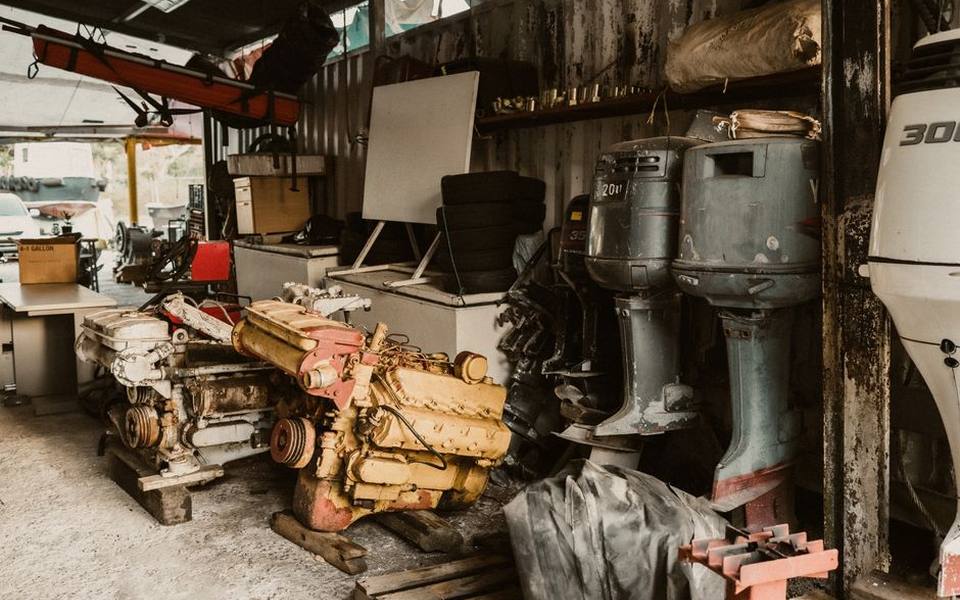
Before stepping foot inside the exhibition hall, obtaining loan pre-approval through independent lenders establishes an objective financial baseline. Working through competitive boat financing avenues ahead of time ensures you understand current interest rates, required down payment minimums, and standard loan amortization terms without relying solely on on-site finance managers. On-site desk managers often partner with captive marine lenders who can match outside rates, but walking in with documentation gives you clear leverage during deal structuring.
Closing an agreement on the show floor should always involve conditional contract paperwork rather than an unalterable purchase order. A proper written commitment should explicitly state that the transaction depends on an acceptable on-water sea trial, engine computer readout verification, and a clear marine survey. If a representative demands a non-refundable deposit without granting standard operational and mechanical contingencies, walk away and resume discussions at their permanent showroom after the event concludes.
Boarding Etiquette and Post-Show Follow-Up Strategies
Navigating busy docks and showroom floors calls for basic marine etiquette to ensure a productive visit. Always ask permission before stepping aboard any vessel, and prepare to remove footwear or slip on protective shoe covers to avoid tracking grit across clean non-skid decks and teak planking. Keep hands clear of switch panels, throttle levers, and helm electronics unless you have explicitly asked the attending sales representative. Respecting the display vessels ensures they remain in pristine condition for the eventual buyers who take retail delivery after the event wraps up.
Bring a structured notebook or mobile folder to document every hull you inspect, taking clear photos of capacity plates, model identification badges, and electrical sub-panels. At the end of a long day walking miles of carpeted aisles, different cockpit layouts and standard feature packages blur together. Collecting business cards from specific dealership staff and noting which representative gave straightforward, transparent answers helps you identify trustworthy long-term dealership partners rather than high-pressure transient closers.
When evaluating a replacement for your current vessel, remember that managing boat trade-ins directly on the show floor requires realistic expectations. Dealerships rarely commit to firm trade values amidst the chaos of an expo without an inspection of your existing hull, engine maintenance records, and trailer condition. Treat on-site trade appraisals as preliminary estimates, and schedule a dedicated appraisal at the dealership's service facility after the event dust settles to finalize legitimate bottom-line numbers.
Published 2026-09-20 · reviewed with each rebuild, last September 2026.
Find boat dealers near you
The directory lists 7,311 boat dealers by state and city — pick your state or use the “Near me” button in the header.
More guides
-
 Storage
Boat Storage and Slip Costs: Dry Storage, Mooring, and Marina Rates Guide
-
 Money
MoneyHow Much Does a Boat Engine Cost? Complete Marine Motor Pricing Guide
-
 Buying
How Much Does a Pontoon Boat Cost to Buy or Rent?
-
 Service
Cosmetic Maintenance, Surface Repairs, and Deck Restorations: A Practical Marine Guide
-
 Owning
Marine Electrical Systems, Critical Hardware, and Modern Repower Planning
-
 Service
Essential Boat Mechanical Repairs: Managing Cables, Pumps, and Routine Service
-
 Owning
Understanding Your Boat's Plumbing, Fuel Systems, and Ownership Costs
-
 Owning
How to Handle Boat Registration, Title Transfers, and USCG Documentation
-
 Owning
Complete Off-Season Preparation: Storage Steps, Costs, and Protective Canvas
-
 Safety
The Essential Boating Safety Equipment Checklist, Education Guide, and Ownership Budgeting
-
 Money
MoneyUnderstanding Marine Loans: Rates, Terms, and Approval
-
 Buying
Center Console vs. Bowrider Boats: Layouts, Costs, and Finding the Right Fit
-
 Safety
How to Tow a Boat Safely and Maintain Trailer Wheel Bearings
-
 Buying
What Is a Marine Survey and How Much Does It Cost?
-
Buying
Yacht Buying, Chartering, and Brokerage Guide
-
Owning
Boat Trailers, Launching, and Ramp Etiquette Guide
-
Buying
Complete Used Boat Buying Guide: Valuations, Inspection, and Bill of Sale
-
Buying
The Complete Pontoon and Tritoon Guide: Layouts, Brands, and Ownership
-
Buying
Jon Boats and Small Aluminum Fishing Boats: Complete Buyer and Build Guide
-
Buying
Bass Boats and Freshwater Fishing Boats Buyer's Guide
-
Buying
Outboard Motors Guide: Yamaha, Suzuki, Mercury Specs and Used Buying
-
Money
Navigating Boat Loans and Marine Financing: Rates, Loan Terms, and Monthly Payment Realities
-
Owning
Boat Clubs vs. Rentals and Charters: Which Waterway Option Fits You?
-
Service
The Complete Guide to Boat Maintenance, Winter Storage, and Mechanical Repairs
-
 Safety
Boating Safety Courses, Licenses, and Certification Guide
-
Buying
Catamarans Guide: Sailing, Power, Hobie, and Buying Options
-
Owning
Marine Batteries Buyer's Guide: Deep Cycle, Lithium, AGM, and Dual Purpose
-
Buying
Electric Trolling Motors: Complete Guide for Kayaks, Pontoons, and Fishing Boats
-
 Owning
Complete Boat Rental Guide: Destinations, Types, and Rates
-
 Service
Boat Fuel Systems and Injector Care: Tanks, Filters, and Cleaning
-
 Buying
Center Console Boats: Types, Construction, and Buying Guide
-
 Owning
Boat Docks, Lifts, and Flotation Systems: Complete Waterfront Guide
-
 Buying
A Complete Guide to Fishing Boats, Sonar Electronics, and Rod Rigging Systems
-
 Owning
Outboard Motors, Jack Plates, and Marine Propellers: The Complete Rigging Guide
-
 Buying
A Complete Guide to Boat Brands, Marine Brokers, and Finding the Right Dealer
-
 Money
MoneyBoat Insurance, Financing, and Title History Lookup: Complete Guide
-
 Buying
Small Boats, Kayaks, Canoes, and Inflatable Craft: Complete Buyer and Rigging Guide
-
 Owning
Marine Canvas, Bimini Tops, and Boat Covers: Selection and Care Guide
-
 Owning
Boat Anatomy 101: Hull Parts, Steering Wheels, and Terminology