Selecting the Right Marine Battery Chemistry for Your Vessel
Keeping a modern vessel dependable on the water starts with understanding your storage bank. Boaters frequently wonder what defines the best marine battery for their specific platform, and the truth depends largely on whether you need quick burst cranking amps or deep, steady cyclical reserve. Starting batteries are engineered with thinner lead plates to dump heavy current into an outboard starter for a few seconds, whereas true deep-cycle units feature thicker plates that withstand repeated discharge cycles down to half capacity without degrading the internal chemistry prematurely.
For the vast majority of day cruisers, center consoles, and fishing rigs, absorbed glass mat technology represents the sweet spot between traditional flooded cells and pricey lithium conversions. Finding the best agm marine battery usually means looking for high reserve capacity ratings, thick pure-lead grid construction, and robust vibration resistance. Unlike standard wet cells that require distilled water top-offs and upright mounting, AGM units are sealed, spill-proof, and can safely handle the pounding chop common in coastal chop or rough inland lakes without spilling corrosive acid.
Lithium iron phosphate options have surged in popularity, particularly for high-draw trolling motor banks and extensive house electronics suites. While they offer exceptional weight savings and maintain consistent voltage through almost their entire discharge cycle, they demand dedicated charging profiles and substantial upfront investment. Before replacing your factory batteries, consult with an experienced technician at a local marine service department to ensure your outboard alternator and onboard shore charger can support your chosen chemistry safely.
Configuring AGM Banks and Dual-Battery Management
A proper marine electrical backbone relies on deliberate isolation between your house loads and engine starting circuits. In a dual-battery AGM setup, an automatic charging relay or battery management cluster ensures your starting battery remains fully charged and isolated while you are anchored listening to audio systems, running livewell aerators, or powering multifunction displays. Once you fire up the motor, the relay automatically parallels the banks so the engine alternator can replenish both reserves simultaneously without manual intervention.
Choosing the ideal AGM configuration requires calculating your total daily amp-hour consumption alongside engine starting requirements. Cold cranking amps become paramount if you run large displacement four-stroke outboards in early spring or late autumn, whereas reserve minutes dictate how long your multifunction displays and refrigeration can run at anchor. Premium AGM batteries excel here because their low internal resistance permits faster recharging rates from modern smart chargers, allowing you to top off quickly during short marina stays or dockside lunch stops.
Proper installation practices are just as vital as buying high-quality cells. Marine terminals must be secured with stainless nylon-locking nuts or split washers rather than wing nuts, which easily shake loose under typical running vibrations. Coating finished connections with dielectric grease or anti-corrosion spray prevents salty humidity from causing resistive voltage drops. Regular voltage checks before leaving the dock will alert you to dying cells long before you find yourself stranded in open water.
Preventing Hull and Drive Corrosion with a Galvanic Isolator
When boats plug into shore power at a marina, their green grounding safety wires tie together through the dockside utility grid. While vital for human life safety against electrical shock, this continuous metallic path creates an unintended circuit between neighboring hulls, underwater running gear, and submerged steel pilings. Boaters often ask what is a galvanic isolator when faced with rapid sacrificial anode depletion, and the answer lies in its ability to block destructive low-voltage direct current while maintaining an uninterrupted path for alternating current safety grounding.
Without isolation, dissimilar metals between your boat and neighboring vessels—such as your stainless steel propeller shafts and a neighbor's bronze through-hulls—act as a giant battery. The least noble metal, typically your aluminum stern drive housing or outboard lower unit, sacrifices itself through galvanic corrosion. A galvanic isolator uses solid-state diodes installed inline on the shore ground wire to block the low direct-current voltages responsible for corrosion, typically up to about 1.2 volts, while instantly passing high-voltage alternating faults safely to ground trip breakers.
Installing this device is one of the most cost-effective forms of insurance for any vessel kept in a wet slip connected to shore power. Modern failsafe units feature internal capacitors and monitoring displays that alert captains if a diode has broken down. If you notice your zinc or aluminum anodes dissolving in just a few months, or if you keep your boat slipped full-time, having a qualified shop source and install an ABYC-compliant isolator through a reputable marine parts department will save thousands in lower unit metal repairs.
Understanding the Vital Role of Marine Spark Arrestors
Unlike automotive engines that vent freely into open air, marine inboard and sterndrive engines operate inside enclosed bilge spaces where volatile fuel vapors can pool. Anyone unfamiliar with marine engine bays may wonder what does a spark arrestor do and why the Coast Guard mandates them so strictly. Mounted directly over the carburetor or throttle body intake, this specialized device prevents internal combustion backfires from igniting flammable gasoline fumes lingering within the enclosed engine compartment.
A marine spark arrestor consists of precision-layered, flame-quenching metal screens or concentric aluminum rings designed to absorb and dissipate thermal energy rapidly. When an engine experiences a lean sneeze or backfire up through the intake manifold, the arrestor forces the flaming gas through narrow metallic channels. These metal surfaces cool the expanding flame below the ignition temperature of surrounding gasoline vapors in milliseconds, extinguishing the flame front before it can trigger an explosion inside the boat.
Because of this critical safety function, automotive open-element air cleaners or standard paper filter assemblies must never be substituted on marine engines. Coast Guard approved spark arrestors carry stamped certification numbers and undergo rigorous flame-containment testing. Keeping this component clean and structurally sound is essential not only for passing seasonal law enforcement inspections but also for ensuring your vessel and crew remain protected from catastrophic bilge fires.
Step-by-Step Cleaning and Servicing of Spark Arrestors
Over an operating season, a spark arrestor collects a heavy mixture of airborne dust, salt mist, crankcase oil vapors from the crankcase ventilation tube, and belt dust. Knowing how to clean spark arrestor assemblies properly maintains peak engine breathing and prevents sluggish acceleration. When the fine mesh passages clog, the engine starves for airflow, leading to rich fuel mixtures, carbon fouling on spark plugs, increased fuel consumption, and unnecessary strain on the intake valve train.
To clean the unit, start by switching off battery switches and ensuring the engine is completely cool. Loosen the retaining clamp, mounting bolt, or wing stud holding the arrestor to the throttle body, taking special care not to drop any washers or hardware down the open intake throat. Place a clean rag inside the intake opening immediately after removal. Inspect the metal screen for tears, corrosion holes, or loose seams; any physical damage means the arrestor can no longer reliably contain a backfire flame and must be replaced immediately.
Submerge the arrestor in an approved marine degreaser, non-chlorinated brake cleaner, or clean solvent bath, using a soft nylon bristle brush to work away stubborn grease and oily grime trapped between the grid layers. Never use wire brushes or harsh abrasive tools that could puncture or bend the delicate flame grid. Allow the unit to air dry thoroughly or blow it clear with moderate compressed air from the inside outward before reinstalling with a fresh flame-resistant gasket.
Integrating Marine Electronics with NMEA 2000 Networking
Rigging helm electronics once meant running dedicated bundles of proprietary transducer wires, speed sensors, and analog gauge harnesses all the way back to the transom. Today, owners upgrading their consoles inevitably ask what is nmea 2000 and how it streamlines helm architecture. Developed by the National Marine Electronics Association, NMEA 2000 is a standardized, plug-and-play serial data communications bus based on automotive CAN-bus technology that allows disparate marine devices to share information across a single continuous backbone cable.
In a standard NMEA 2000 network, a micro-cable backbone runs through the center stringer or console channel, terminated at each end with precise 120-ohm resistors. Individual components—such as GPS antennas, multifunction chartplotters, digital engine gateways, fuel flow sensors, and VHF radios—connect into the backbone using tee-connectors and standardized drop cables. Because the protocol uses standardized parameter group numbers, an outboard engine from one manufacturer can broadcast RPM, water pressure, and alternator output directly to a navigation screen made by a completely different brand.
This level of communication transforms the operating experience by eliminating messy clusters of individual dashboard dial gauges in favor of customizable digital glass cockpits. Modern setups allow you to monitor real-time fuel efficiency down to tenths of a gallon per hour, overlay radar targets onto live navigational charts, and read water temperatures from multiple depth sounders simultaneously. Upgrading older boats with an NMEA network is one of the most rewarding helm projects, vastly expanding situational awareness and equipment diagnostics on the water.
Outboard Repower Realities and 250 Horsepower Pricing
Repowering an aging boat with a modern four-stroke engine is frequently more practical than buying a completely new vessel. Among performance offshore center consoles, deck boats, and large bay boats, 250 horsepower represents one of the most common power classes on the market. Prospective buyers researching yamaha 250 outboard price points will find that bare motor costs typically range from moderate to substantial sums depending on shaft length, digital electric steering packages, and whether they select mechanical or fly-by-wire electronic controls.
The overall cost of a repower goes well beyond the crate price of the engine itself. Complete installations generally require modern digital throttles, electronic command link hubs, new steering cylinders or integrated digital actuators, performance-matched stainless steel propellers, and heavy-gauge marine wiring harnesses. Labor charges for de-rigging the obsolete two-stroke or tired four-stroke, transfixing the transom bolt pattern, mounting the new powerplant, and sea-trialing the boat can add notable overhead to the project invoice.
Opting for a certified pre-owned or low-hour trade-in motor can soften the financial blow considerably. Many captains hunting for clean boats for sale in stock discover that purchasing a well-maintained trade-in engine with verified computer diagnostic hours offers substantial savings compared to ordering a brand-new factory crate. Verifying compression numbers, gearcase oil cleanliness, and maintenance history ensures you capture late-model four-stroke reliability without paying full manufacturer list pricing.
Navigating Marine Lending and Financing Strategies
Financing a major boat purchase or substantial repower package differs significantly from securing a typical automobile loan. Borrowers searching for the best boat loans should recognize that marine collateral depreciates along distinct seasonal curves and carries unique risk profiles tied to weather and storage. Consequently, interest rates, down payment minimums, and loan terms vary widely depending on vessel age, hull material, purchase venue, and borrower creditworthiness.
To find the best boat financing, captains should evaluate total borrowing costs rather than simply chasing the lowest advertised monthly payment. Marine loans commonly offer extended amortization periods ranging up to fifteen or even twenty years for higher-value packages, which keeps payments manageable but can lead to paying more interest over time if not paid down early. Lenders typically ask for down payments between ten and twenty percent, though requirements shift depending on the loan size and whether the vessel is new or used.
Preparing financial documentation in advance streamlines the lending approval process considerably. Marine underwriters generally examine debt-to-income ratios, liquidity reserves, employment continuity, and past installment credit performance. Checking whether local dealers provide dedicated marine loan options gives you immediate insight into competitive interest rate tiers available across national marine lending networks.
Comparing Dealer Specialists Against Traditional Marine Lenders
When identifying the best boat loan lenders, buyers frequently weigh local credit unions and traditional commercial banks against specialized marine finance brokers and dealer finance offices. General consumer banks may offer competitive rates for small personal loans on modest fishing skiffs, but they frequently lack the internal valuation databases and marine survey protocols necessary to underwrite larger cabin cruisers or offshore center consoles properly.
Working directly through boat dealers offering financing connects you with financial managers who deal exclusively with marine underwriters every business day. These specialists understand vessel surveys, Coast Guard documentation, state registration nuances, and marine insurance requirements far better than a general loan officer at a neighborhood retail branch. Furthermore, dealer finance departments frequently hold wholesale lending partnerships with top-tier marine lending institutions, allowing them to structure competitive fixed-rate packages customized to your seasonal budget.
The best boat lenders balance fair interest rates with flexible terms that reflect how long you actually intend to keep the craft. Look for loan agreements that carry zero pre-payment penalties, reasonable processing fees, and straightforward terms for transferring title if you choose to sell or trade up after a few seasons. Taking time to shop pre-approvals across multiple marine specialists ensures you lock in financing that matches your long-term ownership goals.
Long-Term Integration and Preventive Maintenance Planning
Bringing modern batteries, digital backbone sensors, corrosion protection hardware, and fresh outboard power together creates a reliable, high-performing vessel. However, marine hardware operates in one of the most punishing environments on the planet, exposed constantly to relentless moisture, salt crust, UV radiation, and severe mechanical vibration. Developing a scheduled routine of visual inspections and proactive maintenance prevents minor component wear from cascading into costly electrical faults on the water.
Make it a habit to check your spark arrestors at the start of every season, re-torque your AGM battery terminal connections annually, and test your galvanic isolator diodes whenever you renew your sacrificial hull zincs. Similarly, keep your NMEA backbone connectors firmly snugged and coated with silicone dielectric seal to stop micro-corrosion from dropping digital sensor signals mid-voyage. Small preventive investments of time keep delicate digital throttles and glass helm displays operating with flawless consistency.
Whether you are planning a complete transom repower, upgrading your battery charging architecture, or looking to purchase a turnkey vessel, working with experienced marine professionals makes all the difference. Establishing a working relationship with your local authorized dealer ensures you have dependable access to genuine replacement parts, factory warranty documentation, and skilled diagnostic technicians for the entire lifespan of your boat.
Published 2026-09-20 · reviewed with each rebuild, last September 2026.
Find boat dealers near you
The directory lists 7,311 boat dealers by state and city — pick your state or use the “Near me” button in the header.
More guides
-
 Storage
Boat Storage and Slip Costs: Dry Storage, Mooring, and Marina Rates Guide
-
 Money
MoneyHow Much Does a Boat Engine Cost? Complete Marine Motor Pricing Guide
-
 Buying
How Much Does a Pontoon Boat Cost to Buy or Rent?
-
 Service
Cosmetic Maintenance, Surface Repairs, and Deck Restorations: A Practical Marine Guide
-
 Service
Essential Boat Mechanical Repairs: Managing Cables, Pumps, and Routine Service
-
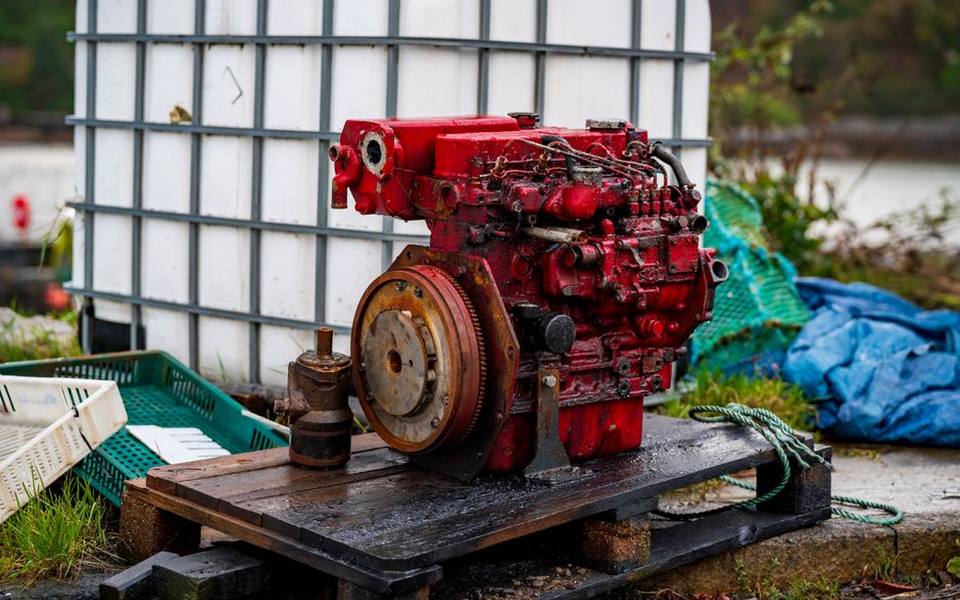 Owning
Understanding Your Boat's Plumbing, Fuel Systems, and Ownership Costs
-
 Owning
How to Handle Boat Registration, Title Transfers, and USCG Documentation
-
 Owning
Complete Off-Season Preparation: Storage Steps, Costs, and Protective Canvas
-
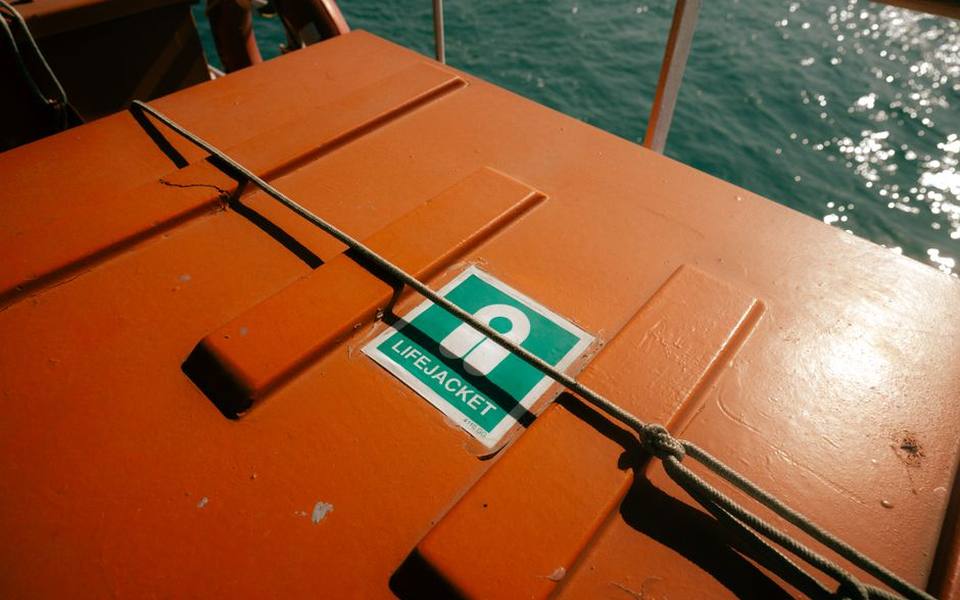 Safety
The Essential Boating Safety Equipment Checklist, Education Guide, and Ownership Budgeting
-
 Money
MoneyUnderstanding Marine Loans: Rates, Terms, and Approval
-
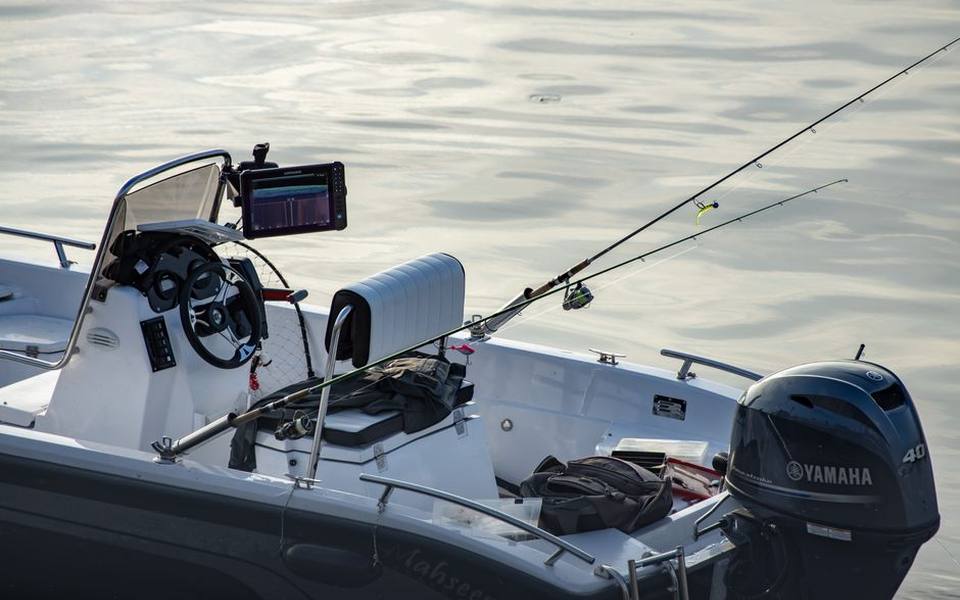 Buying
Center Console vs. Bowrider Boats: Layouts, Costs, and Finding the Right Fit
-
 Safety
How to Tow a Boat Safely and Maintain Trailer Wheel Bearings
-
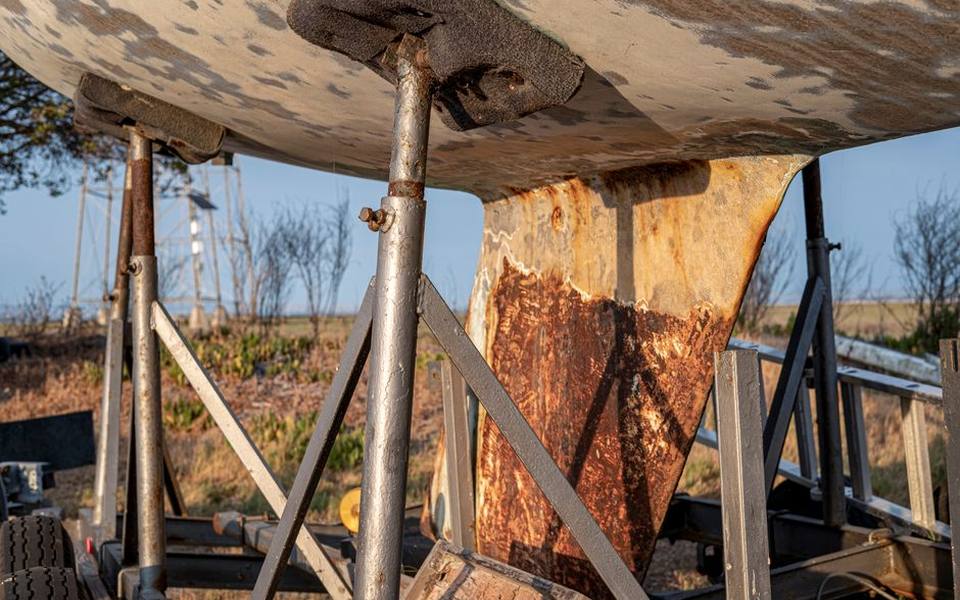 Buying
What Is a Marine Survey and How Much Does It Cost?
-
Buying
Yacht Buying, Chartering, and Brokerage Guide
-
Owning
Boat Trailers, Launching, and Ramp Etiquette Guide
-
Buying
Complete Used Boat Buying Guide: Valuations, Inspection, and Bill of Sale
-
Buying
The Complete Pontoon and Tritoon Guide: Layouts, Brands, and Ownership
-
Buying
Jon Boats and Small Aluminum Fishing Boats: Complete Buyer and Build Guide
-
Buying
Bass Boats and Freshwater Fishing Boats Buyer's Guide
-
Buying
Outboard Motors Guide: Yamaha, Suzuki, Mercury Specs and Used Buying
-
Money
Navigating Boat Loans and Marine Financing: Rates, Loan Terms, and Monthly Payment Realities
-
Owning
Boat Clubs vs. Rentals and Charters: Which Waterway Option Fits You?
-
Service
The Complete Guide to Boat Maintenance, Winter Storage, and Mechanical Repairs
-
 Safety
Boating Safety Courses, Licenses, and Certification Guide
-
Buying
Catamarans Guide: Sailing, Power, Hobie, and Buying Options
-
Owning
Marine Batteries Buyer's Guide: Deep Cycle, Lithium, AGM, and Dual Purpose
-
Buying
Electric Trolling Motors: Complete Guide for Kayaks, Pontoons, and Fishing Boats
-
 Owning
Complete Boat Rental Guide: Destinations, Types, and Rates
-
 Service
Boat Fuel Systems and Injector Care: Tanks, Filters, and Cleaning
-
 Buying
Center Console Boats: Types, Construction, and Buying Guide
-
 Owning
Boat Docks, Lifts, and Flotation Systems: Complete Waterfront Guide
-
 Buying
A Complete Guide to Fishing Boats, Sonar Electronics, and Rod Rigging Systems
-
 Owning
Outboard Motors, Jack Plates, and Marine Propellers: The Complete Rigging Guide
-
 Buying
A Complete Guide to Boat Brands, Marine Brokers, and Finding the Right Dealer
-
 Money
MoneyBoat Insurance, Financing, and Title History Lookup: Complete Guide
-
 Buying
Small Boats, Kayaks, Canoes, and Inflatable Craft: Complete Buyer and Rigging Guide
-
 Owning
Marine Canvas, Bimini Tops, and Boat Covers: Selection and Care Guide
-
 Buying
Complete Guide to Boat Shows: Dates, Tickets, and Top US Events
-
 Owning
Boat Anatomy 101: Hull Parts, Steering Wheels, and Terminology