What Defines a Classic Aluminum Jon Boat
A jon boat is a utility craft characterized by its flat or nearly flat hull, squared bow, and open bench layout. Originally designed for navigating shallow rivers, backwaters, and stump-filled bayous, these crafts remain a staple for anglers and waterfowlers across the country. Their simple geometry maximizes usable deck room while drawing only a few inches of water, allowing you to float into timber and rocky shoals where standard deep-vee boats simply cannot travel without grounding.
Aluminum has long been the primary material for these vessels because it offers a rare balance of structural rigidity, low total weight, and high impact resistance. When an aluminum boat bumps a submerged rock or hidden cypress knee, the hull material typically flexes or dents rather than shattering or puncturing like fiberglass often does. This durability makes them exceptionally forgiving for beginners and seasoned sportsmen who frequently run skinny creeks or launch from unimproved gravel shorelines.
Modern builders produce these utility platforms in configurations ranging from bare-bones ten-foot hulls that fit inside a pickup bed to fully rigged eighteen-foot platforms equipped with livewells and steering consoles. When browsing boats for sale in stock, you will notice that even as feature sets grow more advanced, the core concept remains unchanged. The vessel is designed to deliver a stable, low-draft, and fuel-efficient platform for practical work and calm-water angling.
Hull Geometry: Flat-Bottom Versus Modified-Vee
Choosing the right hull profile dictates how the vessel will handle wind chop, track across open bays, and sit at rest while you fish. A true flat-bottom hull offers unmatched initial stability, meaning the boat does not tip or lean easily when you step near the gunwale to net a fish. Because it has virtually no deadrise, it displaces very little water and planes rapidly with minimal horsepower, making it ideal for skinny backwaters, quiet sloughs, and shallow marsh environments.
The trade-off with a flat bottom is ride comfort in rough water. If you venture into wide lakes or coastal bays where wind builds a steep chop, a flat bottom will slap hard against oncoming waves, sending spray into the cockpit and jolting your passengers. For boaters who regularly encounter open water, a modified-vee (mod-V) hull provides a sensible compromise. A mod-V model features a slight taper at the bow to slice through surface waves while flattening out toward the stern to maintain shallow draft.
Selecting between these two designs depends on your primary fishing style. If you target calm farm ponds, protected tidal creeks, or calm river bends, a flat hull gives you maximum stability on a tight budget. If your adventures take you across large reservoirs or open estuaries where passing wake is constant, the modified-vee bow provides a much drier and smoother ride without sacrificing too much shallow-water access.
Understanding Sizing, Beam Width, and Payload Ratings
Jon boats are generally classified by length and bottom width. For instance, a common numeric designation like fourteen-forty-eight indicates a fourteen-foot hull length with a bottom width of forty-eight inches. The width of the floor, also called the bottom beam, is just as critical as the boat length. A narrow thirty-two or thirty-six-inch bottom can feel tippy when standing, while a forty-eight or fifty-two-inch bottom provides remarkable deck stability for multiple anglers.
Every factory hull carries a federally mandated capacity plate that specifies maximum gross weight, passenger limits, and horsepower ceiling. Exceeding these limits is unsafe and can lead to ticketing by water patrol officers, or even void your marine insurance policy. When calculating your true weight payload, you must account for the outboard engine, fuel tank, starting battery, trolling motor setup, tackle boxes, anchors, and your fishing partners.
For solitary outings or two people carrying light gear, a twelve- or fourteen-foot hull is typically manageable and easy to handle by hand at primitive ramps. If you plan to build casting platforms, install a dual-battery system, or fish with three adults, step up to a sixteen- or eighteen-foot model with a wide beam. That extra footprint provides the buoyant displacement required to keep the gunwales safely above the waterline when fully loaded.
Welded Versus Riveted Aluminum Construction
Aluminum hulls are assembled using either mechanical rivets or continuous automated welds. Riveted hulls have served boaters for generations and generally carry a lower initial price tag. The thin gauge aluminum sheets used in riveted construction allow the hull to flex slightly as it travels through current, which can soften minor vibrations. However, continuous trailering over washboard roads or dragging the keel across boulders can loosen individual rivets over time, resulting in small hull leaks.
All-welded aluminum boats utilize heavier gauge metal, typically ranging from eighty-thousandths to one-hundred-twenty-five-thousandths of an inch in thickness, because thinner metal can burn through during the welding process. Welded joints fuse the structural members and seams into a single rigid unit. This eliminates rivets that could weep water, creating a rugged hull that easily withstands heavy commercial use, shallow mud-running, and repeated impacts with submerged timber.
The decision between the two construction types usually balances upfront investment against expected abuse. A riveted boat is lightweight, inexpensive, and easily sealed if a rivet weeps after a few seasons. An all-welded hull represents a higher upfront expenditure and added hull weight, but it provides near-indestructible durability and long-term peace of mind if you plan to keep the rig for decades.
Choosing Outboard Power and Trolling Motor Setups
Rigging an aluminum fishing boat requires matching the outboard motor shaft length and output to the transom specifications. Most small utility hulls feature either a fifteen-inch short transom or a twenty-inch tall transom. Installing a short-shaft motor on a tall transom will leave the propeller sucking air, while hanging a long-shaft engine on a short transom drives the lower unit too deep, creating drag, poor steering response, and shallow-water hazards.
Horsepower requirements depend on the boat's rating plate and your intended haul. A ten- to twelve-foot craft performs adequately with a small two-and-a-half to six-horsepower tiller outboard or even a standalone electric transom motor. Fourteen-foot boats typically thrive with a nine-point-nine, fifteen, or twenty-horsepower four-stroke outboard, providing enough thrust to get on plane quickly without overloading the stern with excessive engine weight.
Bow-mounted trolling motors add another layer of control, allowing you to silently position the boat along weed lines and shoreline structure. When choosing a trolling motor, focus on shaft length and thrust output. A forty-five to fifty-five-pound thrust motor running on a twelve-volt deep-cycle battery is typically sufficient for hulls up to sixteen feet, ensuring you have enough power to hold your position against river currents or stiff winds.
Planning a Custom Deck and Interior Build
Transforming a bare aluminum utility boat into a fully appointed fishing rig has become an immensely popular weekend project. Many owners choose to install front and rear casting platforms, level floors over the ribbed hull bottom, and enclosed compartments for tackle and battery storage. However, successful builds demand careful planning regarding structural weight, material compatibility, and center of gravity to prevent ruining the boat's balance.
When constructing interior framing, structural aluminum tubing or angle extrusion is far superior to construction-grade lumber. Aluminum framing is lightweight, never rots, and does not soak up standing water. If you choose to deck the boat with wood, avoid pressure-treated lumber at all costs. Modern pressure treatments contain copper compounds that react galvanically with aluminum in the presence of water, eating microscopic holes through the hull metal within just a few seasons.
Marine-grade plywood or exterior ACX plywood sealed with multiple coats of oil-based spar urethane provides a stable walking surface. For hardware and electrical runs, source corrosion-resistant stainless steel fasteners and marine tinned wiring from a parts counter rather than a standard home center. Quality wiring and moisture-sealed terminal connections will prevent annoying electrical gremlins when running navigation lights or bilge pumps.
Preserving Hull Buoyancy and Safety in Custom Builds
One critical mistake many DIY boat builders make is removing the factory bench seats. In most utility jon boats, these metal benches are not just seating; they contain expanded closed-cell flotation foam and act as vital transverse bulkheads that keep the hull sides from buckling inward under hydrostatic pressure. Cutting out a bench seat compromises the structural integrity of the gunwales and removes emergency flotation.
If your layout requires modifying an existing bench, you must reinforce the hull ribs with welded or bolted structural gussets and replace every cubic inch of flotation foam you remove. Closed-cell marine pour foam or dense polystyrene board can be tucked beneath new elevated flooring. In an emergency swamping, adequate foam ensures the boat remains upright and buoyant at the water surface, giving occupants a life-saving platform to hold onto.
Be mindful of how high you build your casting decks. Because flat-bottom boats have limited deadrise, elevating the angler's standing position by twelve to eighteen inches significantly shifts the craft's center of gravity upward. Keeping decks flush with the factory bench tops or slightly recessed beneath the gunwales helps maintain safe stability, preventing accidental tumbles into cold water when fighting heavy fish.
Selecting and Setting Up the Trailer Package
Because small aluminum boats are lightweight, choosing and maintaining a trailer might seem straightforward, but a poorly adjusted trailer can easily warp or crease an aluminum hull over time. Bunk trailers are strongly preferred over roller trailers for aluminum utility boats. Long carpeted timber bunks distribute the hull's weight evenly across the longitudinal bottom ribs, whereas concentrated pressure from small rollers can dent thin sheet metal during highway transport.
Ensure the trailer bunks extend all the way back to flush with the transom. If the bunks stop even several inches short of the stern, the heavy outboard hanging off the back can create a permanent "hook" or bend in the hull bottom when trailering over rough bumps. This structural hook ruins the boat's planing performance, forcing the bow down into the water and drastically increasing steering resistance at cruising speeds.
Trailer wiring, wheel bearings, and tongue weight also require attention. A proper setup puts roughly ten to fifteen percent of the total package weight on the trailer hitch ball to eliminate highway sway. Submersible LED lights and bearing protectors packed with waterproof marine grease will prevent lighting failures and roadside bearing seizures when launching in remote lakes.
What to Inspect When Buying a Used Aluminum Boat
Browsing through listings of used boats in current inventory can yield incredible bargains, but you must know what defects to look for before handing over cash. Start by getting beneath the boat to inspect the keel and bottom ribs. Severe dents, hairline stress fractures around the weld seams, and scraping through the outer metal indicate a boat that was beaten over rocks or run across shallow gravel bars at high speeds.
Next, examine every rivet along the waterlines and check for loose fasteners or past repair attempts. If a previous owner tried to seal chronic leaks using household silicone or spray-on rubber coatings, be prepared to scrape that material away and perform a proper mechanical repair using closed-end blind rivets or aluminum brazing rods. Check the transom wood closely for rot by trimming the motor up and applying downward pressure to see if the transom plate flexes.
Galvanic pitting is another issue to look for, especially if the boat spent time moored in saltwater or carried improper electrical grounding. Look for powdery white deposits or pinhole pitting along the waterline and near the stern transducer mounts. Finally, always verify the hull identification number against the title or registration paperwork to guarantee a seamless transfer of ownership at your local licensing office.
Buying New Versus Pre-Owned at Local Marine Dealerships
Deciding whether to buy used from a private seller or purchase factory-fresh equipment depends on your mechanical confidence and budget. Private sales often include packages that combine a boat, older motor, and trailer at an attractive price point. However, used outboards may hide deferred maintenance, corroded cooling passages, or worn water pumps that require immediate troubleshooting before your first fishing trip.
Visiting a dealer to view new boats provides the reassurance of pristine metal, zero corrosion, and full manufacturer warranties covering both the hull and modern four-stroke propulsion. Many marine dealerships sell complete turn-key packages that include a factory-matched trailer, pre-rigged motor, and clean electrical harness, allowing you to hit the water immediately without spending weekends fixing trailer bearings or running diagnostic checks.
Dealerships that feature a certified service department also give you a reliable resource for routine 20-hour engine break-in maintenance, warranty claims, and accessory installations. Whether you opt for a project hull from an individual or a showroom-ready rig from a dealer, an aluminum jon boat represents one of the most cost-effective and enduring investments you can make in recreational boating.
Published 2026-09-20 · reviewed with each rebuild, last September 2026.
Find boat dealers near you
The directory lists 7,311 boat dealers by state and city — pick your state or use the “Near me” button in the header.
More guides
-
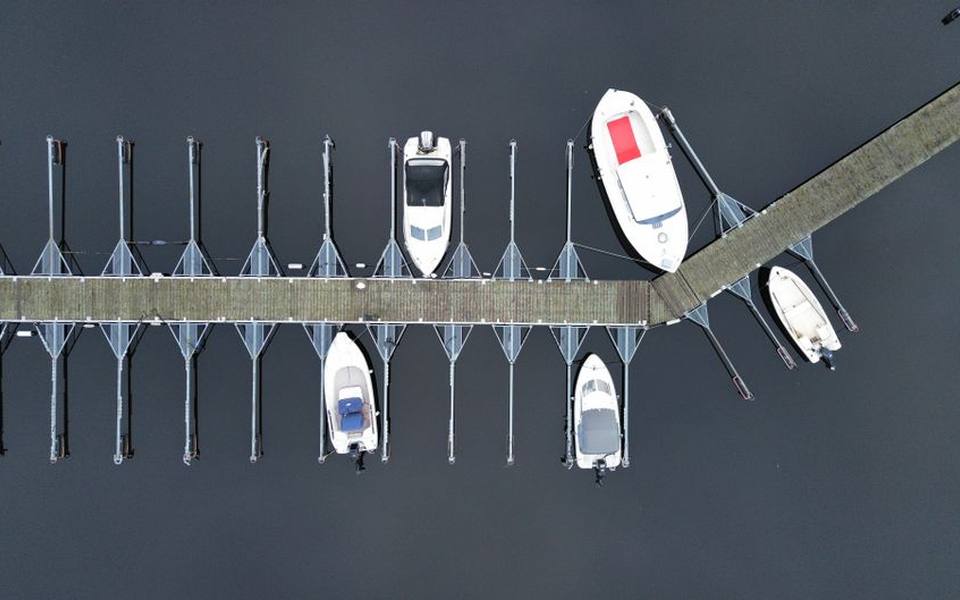 Storage
Boat Storage and Slip Costs: Dry Storage, Mooring, and Marina Rates Guide
-
 Money
MoneyHow Much Does a Boat Engine Cost? Complete Marine Motor Pricing Guide
-
 Buying
How Much Does a Pontoon Boat Cost to Buy or Rent?
-
 Service
Cosmetic Maintenance, Surface Repairs, and Deck Restorations: A Practical Marine Guide
-
 Owning
Marine Electrical Systems, Critical Hardware, and Modern Repower Planning
-
 Service
Essential Boat Mechanical Repairs: Managing Cables, Pumps, and Routine Service
-
 Owning
Understanding Your Boat's Plumbing, Fuel Systems, and Ownership Costs
-
 Owning
How to Handle Boat Registration, Title Transfers, and USCG Documentation
-
 Owning
Complete Off-Season Preparation: Storage Steps, Costs, and Protective Canvas
-
 Safety
The Essential Boating Safety Equipment Checklist, Education Guide, and Ownership Budgeting
-
 Money
MoneyUnderstanding Marine Loans: Rates, Terms, and Approval
-
 Buying
Center Console vs. Bowrider Boats: Layouts, Costs, and Finding the Right Fit
-
 Safety
How to Tow a Boat Safely and Maintain Trailer Wheel Bearings
-
 Buying
What Is a Marine Survey and How Much Does It Cost?
-
Buying
Yacht Buying, Chartering, and Brokerage Guide
-
Owning
Boat Trailers, Launching, and Ramp Etiquette Guide
-
Buying
Complete Used Boat Buying Guide: Valuations, Inspection, and Bill of Sale
-
Buying
The Complete Pontoon and Tritoon Guide: Layouts, Brands, and Ownership
-
Buying
Bass Boats and Freshwater Fishing Boats Buyer's Guide
-
Buying
Outboard Motors Guide: Yamaha, Suzuki, Mercury Specs and Used Buying
-
Money
Navigating Boat Loans and Marine Financing: Rates, Loan Terms, and Monthly Payment Realities
-
Owning
Boat Clubs vs. Rentals and Charters: Which Waterway Option Fits You?
-
Service
The Complete Guide to Boat Maintenance, Winter Storage, and Mechanical Repairs
-
 Safety
Boating Safety Courses, Licenses, and Certification Guide
-
Buying
Catamarans Guide: Sailing, Power, Hobie, and Buying Options
-
Owning
Marine Batteries Buyer's Guide: Deep Cycle, Lithium, AGM, and Dual Purpose
-
Buying
Electric Trolling Motors: Complete Guide for Kayaks, Pontoons, and Fishing Boats
-
 Owning
Complete Boat Rental Guide: Destinations, Types, and Rates
-
 Service
Boat Fuel Systems and Injector Care: Tanks, Filters, and Cleaning
-
 Buying
Center Console Boats: Types, Construction, and Buying Guide
-
 Owning
Boat Docks, Lifts, and Flotation Systems: Complete Waterfront Guide
-
 Buying
A Complete Guide to Fishing Boats, Sonar Electronics, and Rod Rigging Systems
-
 Owning
Outboard Motors, Jack Plates, and Marine Propellers: The Complete Rigging Guide
-
 Buying
A Complete Guide to Boat Brands, Marine Brokers, and Finding the Right Dealer
-
 Money
MoneyBoat Insurance, Financing, and Title History Lookup: Complete Guide
-
 Buying
Small Boats, Kayaks, Canoes, and Inflatable Craft: Complete Buyer and Rigging Guide
-
 Owning
Marine Canvas, Bimini Tops, and Boat Covers: Selection and Care Guide
-
 Buying
Complete Guide to Boat Shows: Dates, Tickets, and Top US Events
-
 Owning
Boat Anatomy 101: Hull Parts, Steering Wheels, and Terminology