How Modern Outboard Propulsion Works Together
Getting the most out of a powerboat requires balancing three core components at the stern: the outboard engine, the mounting interface on the transom, and the propeller slicing through clean water. When these elements operate in harmony, your boat gets on plane quickly, tracks straight, consumes fuel efficiently, and stays dependable season after season. If any one of these items is improperly sized, bent, or mounted at the wrong height, handling suffers and the engine works under unnecessary mechanical strain.
An outboard is an integrated powerhead, midsection, and gearcase engineered to deliver rotational torque down through the driveshaft into the lower unit. Modern marine engines rely heavily on clean cooling water intake and balanced hydrodynamic drag to achieve rated output without overheating. Even a small change in running attitude or trim angle shifts the boundary layer of water reaching the gearcase, which directly alters how the prop grips the water and transmits forward thrust to the hull.
Many boaters overlook the connection between engine mounting and underwater gear, assuming factory rigging is always optimized for their specific load. In practice, weight distribution changes significantly whether you carry fishing gear, livewells full of water, or a deck full of passengers. Understanding the mechanical relationship between your powerhead, transom hardware, and propeller profile is the foundation for avoiding expensive repairs and maximizing fuel economy over the life of your vessel.
Inspecting and Buying Pre-Owned Outboard Engines
Shopping the secondary market for a replacement or repower engine can save thousands compared to ordering fresh out of a manufacturer crate, but it requires thorough mechanical due diligence. When browsing used boats or individual secondhand motors, you should never evaluate an engine based solely on how clean the exterior cowling looks. A shiny paint job frequently conceals years of neglected maintenance, salt corrosion inside the water passages, or electrical harness damage from improper wiring modifications.
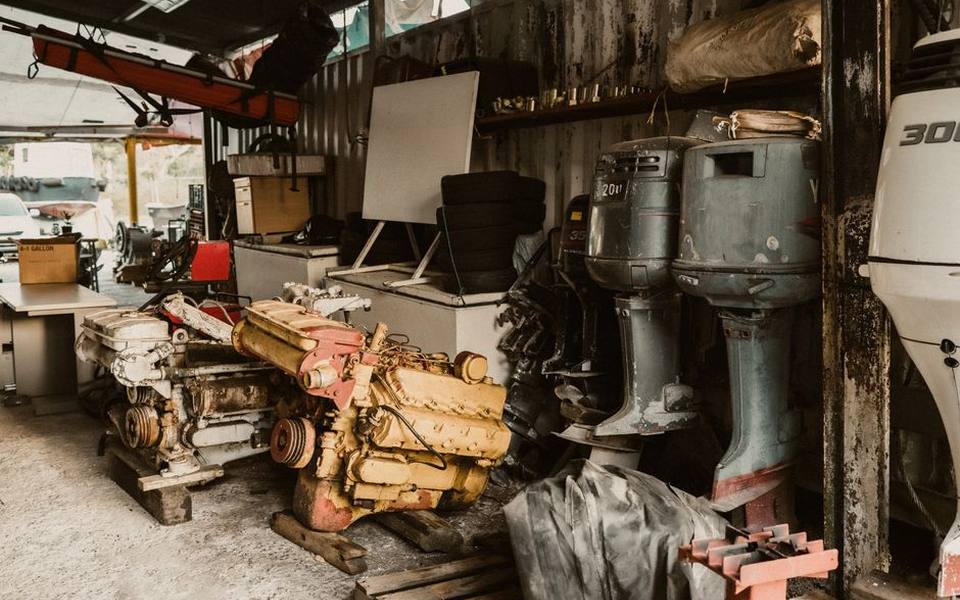
Your first diagnostic priority on any used powerhead is a baseline compression check performed across all cylinders while the engine block is cold. You want to see uniform pressure readings across every cylinder, typically with less than a ten percent variance from highest to lowest. Significant drops on an individual cylinder point toward worn piston rings, scored cylinder walls, or blown head gaskets, all of which require a complete teardown and machine shop labor to rectify.
Beyond compression, lower unit health dictates whether a pre-owned engine is worth hauling home. Drain a small sample of the gear lube into a clear container to check for milky discoloration, which indicates failed propshaft seals letting water seep inside. Look closely for metallic shavings stuck to the magnetic drain plug, inspect the skeg for welded repairs or bent metal, and scan the midsection casting for stress cracks around the swivel bracket before agreeing on a final purchase price.
The Emerging World of Electric Outboard Propulsion
Electric propulsion has moved from specialized niche applications into mainstream marine recreation, offering silent cruising, zero direct emissions, and remarkably simple mechanical upkeep. Unlike combustion engines packed with carburetors, fuel injectors, spark plugs, and cooling impellers, an electric outboard relies on a brushless motor paired with an electronic controller and dedicated lithium battery bank. The instant torque curve delivered by an electric drive provides excellent low-speed maneuvering and instantaneous throttle response away from the dock.
For small skiffs, tenders, and calm-water fishing craft, electric propulsion eliminates the hassle of storing ethanol-blended gasoline and winterizing fuel lines. Most electric setups feature integrated digital displays that monitor exact battery state-of-charge, calculated remaining runtime, and real-time power draw measured in watts. Because there are no exhaust gases, these motors provide an exceptionally peaceful day on freshwater reservoirs where local environmental regulations ban internal combustion outboards outright.
Range and operating runtime remain the primary trade-offs when considering an electric repower. While high-capacity lithium iron phosphate batteries have dropped in weight and improved in density, running at wide-open throttle drains stored kilowatt-hours substantially faster than cruising at displacement speeds. Owners planning long runs across open water generally combine high-output electric trolling setups with traditional gas mains, or carefully map out their journeys according to shore-power recharging availability between destinations.
Dialing in Pitch, Diameter, and Propeller Materials
A marine propeller acts as the final transmission gear between your engine and the water, translating shaft horsepower into forward momentum. Selecting the right wheel depends on two primary measurements: diameter, which is the total width across the blade tips, and pitch, which represents the theoretical forward distance the prop travels in one complete revolution. Choosing the correct pitch ensures your outboard can reach its manufacturer-recommended wide-open-throttle operating range under normal passenger and fuel loads.
If you select a propeller with too much pitch, the outboard bogs down like a truck trying to climb a steep grade in fifth gear, leading to carbon buildup, detonation, and poor hole shot. Conversely, running an undersized pitch allows the powerhead to spin past its maximum revolutions per minute, triggering the electronic rev limiter and wasting fuel while reducing top-end cruising speed. Testing different blade configurations helps balance initial acceleration against top-end velocity.
Material choice also defines real-world performance on the water. Cast aluminum props are affordable, readily available, and designed to yield on impact, which helps protect internal lower-unit gears if you strike a submerged sandbar or log. Stainless steel wheels, while significantly more expensive, feature thinner and stiffer blades that resist flexing under heavy loads, providing better overall grip, higher top speeds, and superior durability in marine environments with floating debris.
Spotting Propeller Damage and Diagnosing Spun Hubs
Even minor propeller imperfections cause noticeable vibrations that quickly travel up the driveshaft, damaging lower unit bearings and propshaft seals over time. Inspecting blade edges after every outing should be part of your standard trailering routine. Small nicks, burrs, or rolled blade edges can often be gently smoothed using a hand file, but severely bent blades or missing chunks alter rotational balance and demand professional reconditioning or replacement before you run the boat again.
A common yet frequently misdiagnosed failure occurs inside the center hub assembly, known throughout the boating community as a spun hub. Traditional propellers utilize a pressed-in rubber sleeve between the outer brass spline and the bronze blade housing to absorb shifting shock and protect the gearcase from sudden impacts. When this rubber deteriorates from age, heat, or a bottom strike, the inner sleeve breaks free from the outer prop body under load.
A boat with a spun hub will often idle fine and putter through no-wake zones without obvious trouble. However, the moment you push the throttle forward to climb onto plane, the engine suddenly revs wildly toward the redline while the hull barely moves forward, mimicking a slipping transmission in a car. Many modern propellers now utilize drop-in composite hub kits that boaters can carry as spares and replace roadside in minutes using basic hand tools.
Transom Elevation and Outboard Jack Plates
A transom jack plate is a rigid aluminum bracket bolted between the boat transom and the outboard mounting bracket, designed to raise and lower the engine vertically. Traditional outboard mounting brackets only allow horizontal trim adjustments, pivoting the gearcase closer to or farther from the transom. In contrast, an engine jacking plate moves the motor straight up and down on a vertical plane, keeping the thrust parallel to the water's surface while altering lower unit running depth.
Jack plates come in two primary designs: manual adjustment plates and hydraulic systems operated via a helm switch. Manual plates are adjusted at the dock using heavy-duty bolts and a wrench, making them ideal for setting a fixed, optimal engine height on hulls that rarely change their operating routine. Hydraulic jacking plates allow the captain to adjust running height on the fly, lifting the lower unit upward to cross shallow tidal flats and lowering it deep for rough-water cornering and takeoff.
Beyond vertical lift, a jack plate introduces transom setback, pushing the entire motor several inches backward into cleaner water emerging from beneath the hull. As water flows out from under the running pad, it rises naturally behind the boat. Setback allows the propeller to bite into this undisturbed, elevated water column, which reduces hull drag, improves top-end speed, and lets you run the engine higher without introducing dangerous propeller ventilation.
Fine-Tuning Engine Height for Performance and Shallow Flats
Dialing in the correct engine height is a delicate balance between maximum hydrodynamic efficiency and reliable cooling water flow. If the lower unit runs too low in the water column, the anti-ventilation plate gets buried beneath the surface wash, creating massive parasitic drag and heavy steering torque. Running the motor too deep also forces water up into the exhaust relief holes, hindering off-the-line acceleration and burning unnecessary fuel during long cruising runs.
Raising the outboard vertically minimizes lower unit drag and lets the propeller run closer to the water's surface, which can unlock noticeable gains in top speed. Shallow-water anglers rely on vertical adjustment to idle through skin-deep marsh channels and flats where a standard fixed-transom motor would strike bottom. Raising the motor vertically while keeping the shaft perpendicular to the hull maintains forward thrust without digging the skeg into delicate seagrass beds or mud.
The critical danger of running an elevated engine is starving the water pump. Most outboard lower units draw raw cooling water from side-mounted grates positioned near the bullet of the gearcase. If the jack plate is lifted to the point where these intake grates suck in air or aerated surface wash, water pressure drops instantly. Working with professional marine service and repair shops ensures your transom bracket, low-water pickups, and steering clearances are properly configured before you venture into skinny water.
Locating Parts for Discontinued and Two-Stroke Outboards
Keeping older outboards running smoothly can feel challenging when original manufacturers cease production or consolidate product lines. Millions of legacy two-stroke and direct-injection engines, including the vast fleet of Evinrude motors built over decades of marine dominance, remain actively used on freshwater lakes and coastal sounds. When sourcing replacement components for these orphaned powerheads, knowing where to look and how to cross-reference part numbers saves immense time and frustration.
While parent companies may cease manufacturing new outboards, legal requirements and market demand typically ensure that original equipment components remain in dealer pipelines for years. Many independent boat dealers with a parts department maintain comprehensive catalogs of original gaskets, ignition coils, power packs, fuel lift pumps, and water pump rebuild kits. When genuine stock runs out, reputable aftermarket marine manufacturers frequently step in to produce high-demand wear items like carb kits, sensors, and starter motors.
When tracking down hard-to-find components for aging platforms, precision is essential. Marine engine parts must always be ordered using the complete model and serial number stamped on the transom clamp freeze plug or identification plate, rather than the exterior cowling decal year. Manufacturers routinely introduced mid-year running changes to electrical harnesses, gear ratios, and cylinder heads, meaning a standard horsepower search alone is rarely accurate enough to guarantee proper fitment.
Proper Storage and Safe Handling with Outboard Stands
Whether you are repowering, servicing a lower unit, or winterizing a portable dinghy engine, handling an outboard off the boat requires steady, specialized equipment. Marine outboards are inherently top-heavy machines, concentrating substantial iron, aluminum, and electrical weight high up inside the powerhead casting. Resting an unmounted engine against a garage wall or flat on concrete risks bending control linkages, cracking expensive plastic cowlings, or spilling residual crankcase oil into the intake plenum.
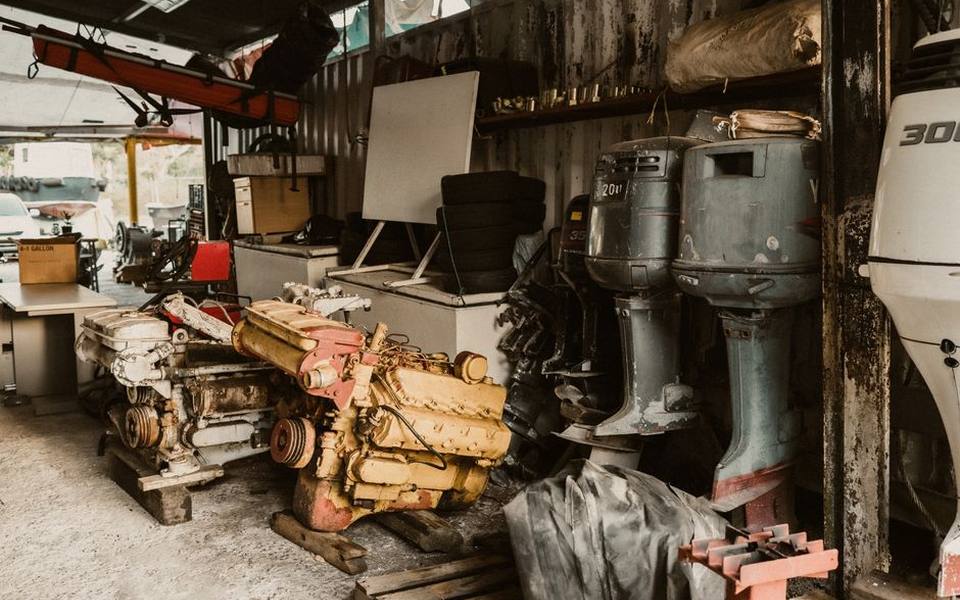
A purpose-built outboard motor stand provides a secure, vertical mounting plate that mimics a boat's transom, allowing the engine clamp brackets to tighten down firmly. Heavy-duty tubular steel stands fitted with lockable caster wheels allow a single person to safely roll a two-hundred-pound motor around a workshop. Having the engine locked vertically makes it simple to service the carburetor, change spark plugs, drain the lower gearcase, or hook up freshwater flusher muffs for diagnostic test runs.
During extended seasonal layups, storing an outboard on a dedicated stand keeps the powerhead protected inside dry garage environments away from harsh winter weather. If you manage seasonal turnover or use full winterization service, utilizing a mobile stand allows you to store the engine off-site while freeing up trailer space. Always remember that four-stroke outboards stored off their mounts must remain upright or lie strictly on their designated resting side to prevent motor oil from seeping past the rings into the combustion chamber.
Making the Call: Overhaul, Upgrade, or Repower
Every boat owner eventually reaches a financial crossroad where recurring lower unit repairs, tired electrical switches, and declining engine compression force a decision between continuing repairs or repowering entirely. In many cases, an aging hull remains structurally sound, rot-free, and comfortable, while the original transom propulsion has simply reached the end of its reliable service life. Assessing the total cost of ownership helps clarify whether another shop invoice makes sense or if bolting on modern power is the smarter path.
A modern four-stroke repower transforms an older boat, offering whisper-quiet idling, modern digital gauge integration, and dramatically cleaner fuel consumption. With over 4,570 listings in the directory across top boating states, buyers can easily locate certified local mechanics to evaluate structural transom integrity and help size replacement power correctly. Replacing outdated two-stroke engines also eliminates the messy routine of premixing two-cycle oil while boosting the resale value of your vessel if you choose to upgrade later.
If you conclude that your current setup no longer meets your family's needs, exploring current inventory through established dealers can reveal whether a complete change of platform is more economical than repowering. Reviewing verified boats for sale in stock lets you compare the price of brand-new rigged packages against the standalone cost of new engine crates, mechanical steering conversions, and modern control harnesses. Whatever route you take, properly maintained propulsion ensures your time on the water remains relaxing and safe.
Published 2026-09-20 · reviewed with each rebuild, last September 2026.
Find boat dealers near you
The directory lists 7,311 boat dealers by state and city — pick your state or use the “Near me” button in the header.
More guides
-
 Storage
Boat Storage and Slip Costs: Dry Storage, Mooring, and Marina Rates Guide
-
 Money
MoneyHow Much Does a Boat Engine Cost? Complete Marine Motor Pricing Guide
-
 Buying
How Much Does a Pontoon Boat Cost to Buy or Rent?
-
 Service
Cosmetic Maintenance, Surface Repairs, and Deck Restorations: A Practical Marine Guide
-
 Owning
Marine Electrical Systems, Critical Hardware, and Modern Repower Planning
-
 Service
Essential Boat Mechanical Repairs: Managing Cables, Pumps, and Routine Service
-
 Owning
Understanding Your Boat's Plumbing, Fuel Systems, and Ownership Costs
-
 Owning
How to Handle Boat Registration, Title Transfers, and USCG Documentation
-
 Owning
Complete Off-Season Preparation: Storage Steps, Costs, and Protective Canvas
-
 Safety
The Essential Boating Safety Equipment Checklist, Education Guide, and Ownership Budgeting
-
 Money
MoneyUnderstanding Marine Loans: Rates, Terms, and Approval
-
 Buying
Center Console vs. Bowrider Boats: Layouts, Costs, and Finding the Right Fit
-
 Safety
How to Tow a Boat Safely and Maintain Trailer Wheel Bearings
-
 Buying
What Is a Marine Survey and How Much Does It Cost?
-
Buying
Yacht Buying, Chartering, and Brokerage Guide
-
Owning
Boat Trailers, Launching, and Ramp Etiquette Guide
-
Buying
Complete Used Boat Buying Guide: Valuations, Inspection, and Bill of Sale
-
Buying
The Complete Pontoon and Tritoon Guide: Layouts, Brands, and Ownership
-
Buying
Jon Boats and Small Aluminum Fishing Boats: Complete Buyer and Build Guide
-
Buying
Bass Boats and Freshwater Fishing Boats Buyer's Guide
-
Buying
Outboard Motors Guide: Yamaha, Suzuki, Mercury Specs and Used Buying
-
Money
Navigating Boat Loans and Marine Financing: Rates, Loan Terms, and Monthly Payment Realities
-
Owning
Boat Clubs vs. Rentals and Charters: Which Waterway Option Fits You?
-
Service
The Complete Guide to Boat Maintenance, Winter Storage, and Mechanical Repairs
-
 Safety
Boating Safety Courses, Licenses, and Certification Guide
-
Buying
Catamarans Guide: Sailing, Power, Hobie, and Buying Options
-
Owning
Marine Batteries Buyer's Guide: Deep Cycle, Lithium, AGM, and Dual Purpose
-
Buying
Electric Trolling Motors: Complete Guide for Kayaks, Pontoons, and Fishing Boats
-
 Owning
Complete Boat Rental Guide: Destinations, Types, and Rates
-
 Service
Boat Fuel Systems and Injector Care: Tanks, Filters, and Cleaning
-
 Buying
Center Console Boats: Types, Construction, and Buying Guide
-
 Owning
Boat Docks, Lifts, and Flotation Systems: Complete Waterfront Guide
-
 Buying
A Complete Guide to Fishing Boats, Sonar Electronics, and Rod Rigging Systems
-
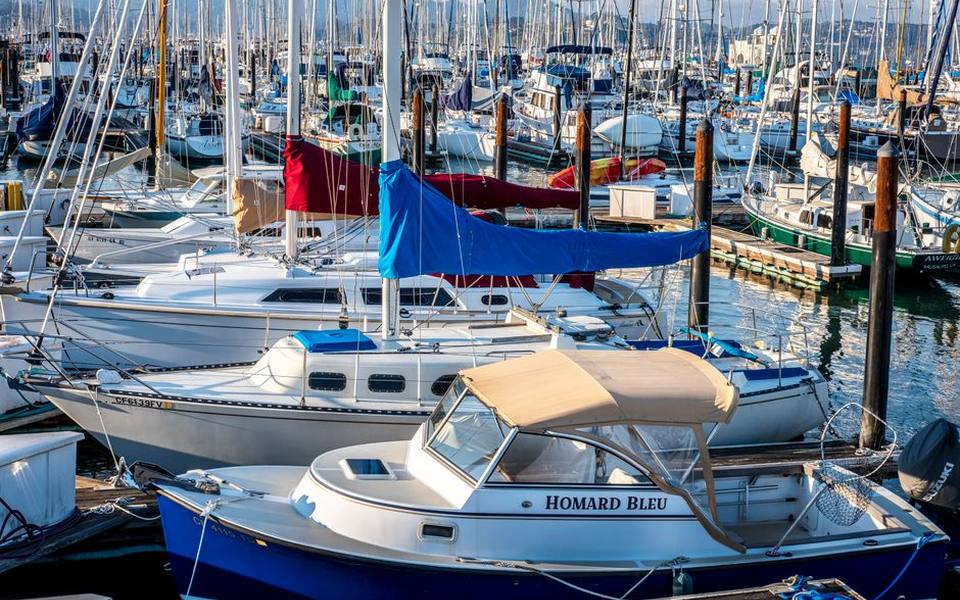 Buying
A Complete Guide to Boat Brands, Marine Brokers, and Finding the Right Dealer
-
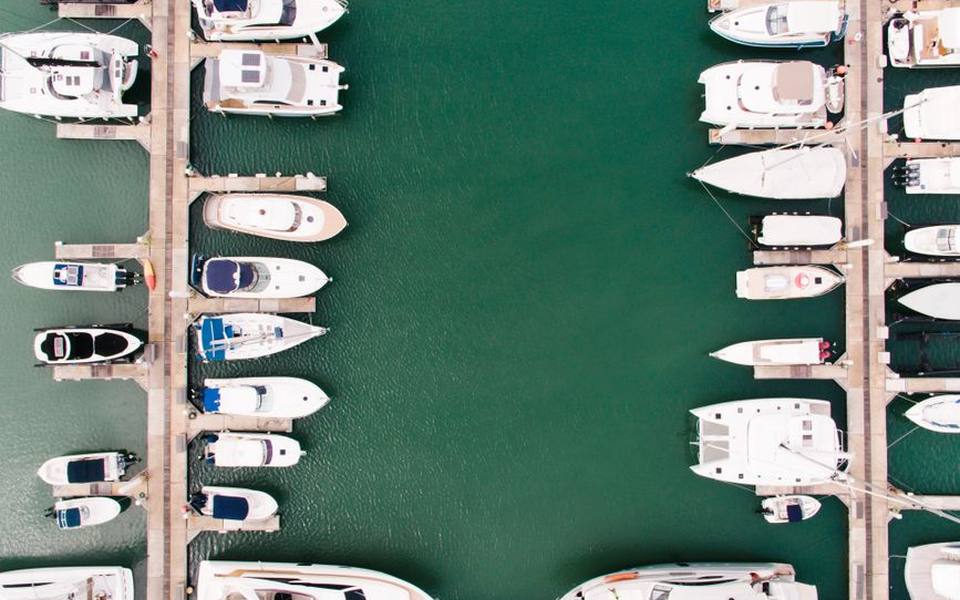 Money
MoneyBoat Insurance, Financing, and Title History Lookup: Complete Guide
-
 Buying
Small Boats, Kayaks, Canoes, and Inflatable Craft: Complete Buyer and Rigging Guide
-
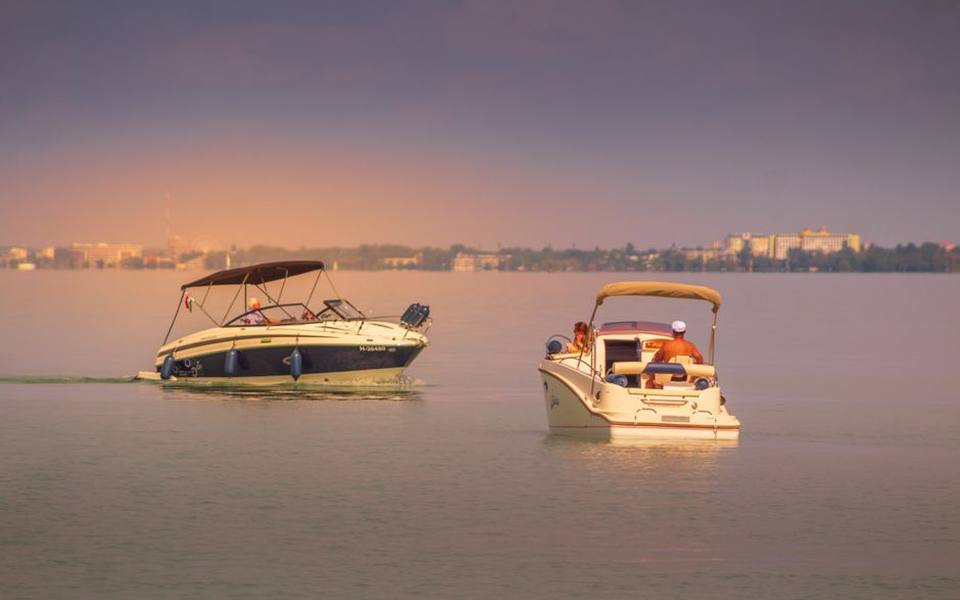 Owning
Marine Canvas, Bimini Tops, and Boat Covers: Selection and Care Guide
-
 Buying
Complete Guide to Boat Shows: Dates, Tickets, and Top US Events
-
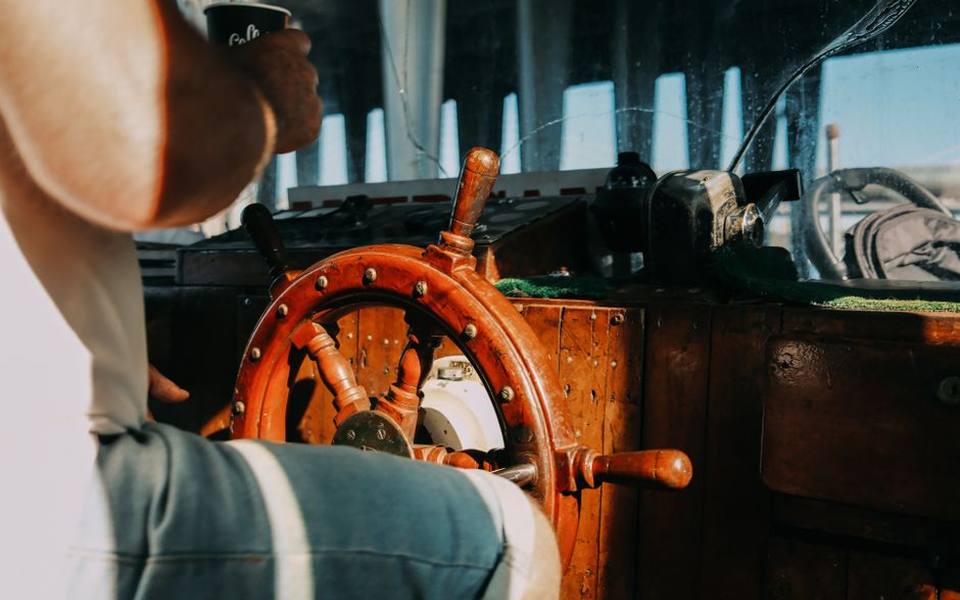 Owning
Boat Anatomy 101: Hull Parts, Steering Wheels, and Terminology