Understanding Winterization and Why It Matters
Winterization is the comprehensive process of preparing a vessel and its mechanical systems to endure freezing temperatures and prolonged inactivity without sustaining structural or mechanical damage. When water freezes, it expands by approximately nine percent, exerting immense hydraulic force inside raw-water engine passages, manifolds, heat exchangers, and onboard plumbing. Without proper draining and treatment, trapped moisture can easily crack an engine block or burst water lines, resulting in catastrophic repair bills before spring arrives.
Beyond freeze protection, off-season care addresses the gradual chemical breakdown that occurs while a vessel sits unused for several months. Stagnant fuel with ethanol absorbs ambient moisture, leading to phase separation, corrosive varnish, and clogged fuel injectors. Batteries that remain connected slowly discharge, and in freezing conditions, a discharged battery will freeze and split its plastic casing. In humid or snowy climates, untreated moisture inside the cabin or cockpit fosters mildew that destroys upholstery and marine electronics.
Scheduling this service early in the autumn protects your investment from sudden cold snaps that often arrive ahead of official forecasts. Marine service facilities experience heavy demand as temperatures drop, so understanding the requirements allows you to plan effectively. Professional boat winterization packages typically vary based on engine size, drive configuration, and onboard freshwater systems, but taking proactive measures always costs far less than replacing freeze-damaged machinery.
Essential Steps on the Off-Season Service Checklist
A reliable off-season checklist begins with the fuel supply and engine lubrication. Mechanics typically add a high-quality marine fuel stabilizer to the tank before the final run of the season, ensuring the treated gasoline circulates through the fuel pumps, lines, and injectors. Running the engine up to operating temperature also thins the motor oil, allowing for a complete drain to remove acidic combustion byproducts before fresh oil and new filters are installed for prolonged dormancy.
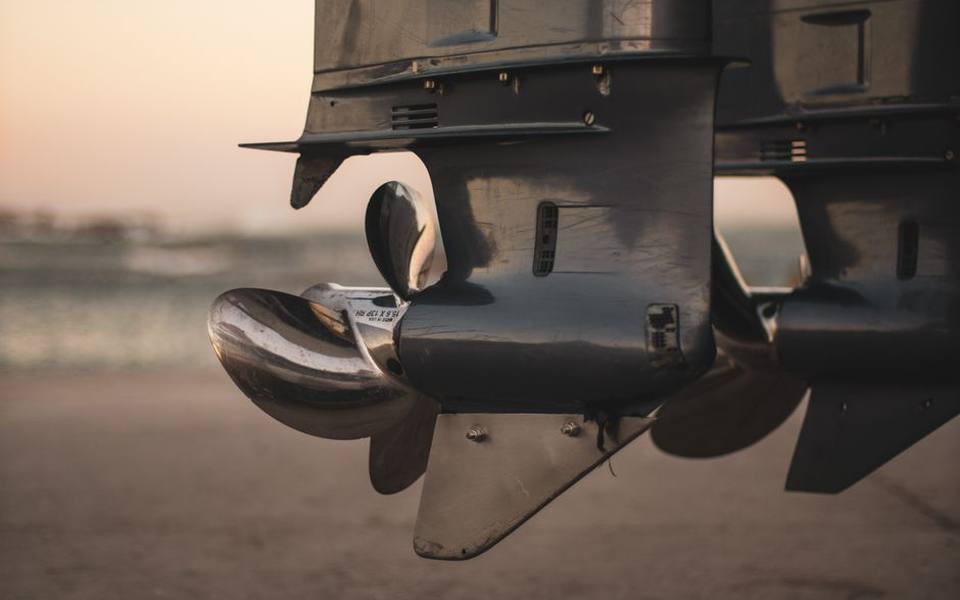
Draining the cooling system is the single most critical step for any inboard, sterndrive, or outboard power plant. Technicians open petcocks and pull drain plugs on the block, manifolds, and oil coolers to evacuate all standing water. In raw-water systems, mechanics routinely circulate non-toxic propylene glycol marine antifreeze through the engine until brightly colored fluid emerges from the exhaust, ensuring that any residual pockets of moisture cannot freeze solid.
The checklist concludes with cylinder preservation, gearcase maintenance, and battery storage. Fogging oil is sprayed into carburetors or spark plug holes to coat cylinder walls, pistons, and valve seats against oxidation. The lower unit gear lubricant is drained and inspected; cloudy, milky oil indicates failing seals that must be repaired before winter storage. Finally, the battery terminals are disconnected, cleaned, and hooked to a regulated trickle charger kept in a climate-controlled area.
Exterior fittings, bilge compartments, and livewells require equal attention before covers are secured. Bilge pumps, aerators, and raw-water washdowns should be cleared of standing water and treated with marine antifreeze. Opening sea cocks, pulling the main transom garboard drain plug, and storing the vessel with the bow elevated allows any condensation or incidental rain to drain freely toward the stern throughout the cold months.
Protective Canvas and the Function of Mooring Covers
A mooring cover is a heavy-duty, form-fitting canvas or synthetic fabric shell designed to shield an entire open cockpit and deck while the boat sits at a dock, mooring buoy, or trailer. Unlike lightweight dust sheets, authentic mooring covers are engineered from tough, weather-resistant materials such as marine-grade polyester or solution-dyed acrylic. They fasten securely around the perimeter, typically securing just below the rub rail with snaps, ratcheting perimeter straps, or reinforced tie-down points that resist wind lift.
The primary purpose of a mooring cover is defense against environmental exposure during extended periods between outings or through off-season layups. Intense ultraviolet radiation bleaches gelcoat, dries out vinyl seating, and degrades dashboard gauges, while standing rainwater stains carpets and risks overwhelming bilge pumps. A tailored cover creates a water-shedding barrier that keeps leaves, bird droppings, and blowing debris out of deck drains and delicate steering controls.
Proper installation requires internal support poles to create a peaked tent effect that forces rain and melting snow to run off rather than form heavy, sagging pools. Quality covers incorporate screened mushroom vents at high points to promote continuous cross-ventilation, which dramatically reduces mold and mildew underneath. When paired with secure tie-downs, a dependable mooring cover can serve as the primary protective layer during outdoor winter storage, especially when shrink-wrapping is not preferred.
Drive Systems in Cold Storage: Jet Propulsion Versus Propellers
Winter preparation steps differ substantially between jet-driven craft and conventional propeller propulsion designs. A jet drive uses an internal impeller that pulls water through a bottom intake grate and expels it under high pressure through a directional nozzle. In contrast, traditional propeller setups rely on an external spinning prop mounted on an outboard lower unit, an inboard shaft, or an articulated sterndrive gearcase submerged in the water flow.
When it comes to winter layups, jet drives offer distinct advantages because they are largely self-draining when pulled from the water. Running the engine out of the water for brief intervals of ten to fifteen seconds while blipping the throttle typically blows residual water out of the impeller housing and exhaust passages. However, the cooling jackets on the engine block still require thorough draining or non-toxic antifreeze circulation, and the reverse gate linkage and impeller bearing seals must be greased to prevent corrosion.
Propeller-driven vessels, particularly sterndrives and inboards, demand more labor during cold-weather storage. Sterndrive lower units feature complex internal gear sets, shafts, and shifting mechanisms sealed inside an oil bath that must be completely free of water intrusion. If water enters through a damaged prop shaft seal, it settles at the lowest point of the gearcase and will rupture the aluminum housing when it freezes. Inboard propeller shaft packings and rudder ports also require inspection and greasing before sub-zero temperatures arrive.
Winterizing and Storing Beginner-Friendly Pontoon Boats
A modern pontoon boat is widely recognized as an ideal platform for beginners due to its predictable handling, spacious flat deck, and exceptional buoyancy. The broad footprint of twin or triple aluminum tubes provides forgiving lateral stability, making docking and slow-speed maneuvers much less intimidating for new captains. Because modern deck layouts emphasize lounge comfort, multi-generational families frequently choose pontoons as their introduction to lake life.
Despite their user-friendly reputation on summer waters, pontoons present distinct challenges when the boating season ends. Their large surface area and extensive upholstered seating create massive targets for autumn leaves, moisture buildup, and nesting rodents. Aluminum tubes must be pressure-washed to remove algae, mineral scales, and invasive species before storage, and owners must inspect the pontoon chambers for any signs of hairline cracks or trapped water that could expand and rupture an aluminum seam.
Choosing the right winter location depends on local climate and budget. Many owners browse local pontoon boat dealers to explore shrink-wrapping and seasonal hauling packages that safeguard the oversized deck furniture against heavy snow loads. Whether stored on a specialized bunk trailer or blocked in dry storage, the boat should sit slightly bow-high to ensure that water running off the cover never gathers along the front splash guards or under the deck framing.
Weighing Ownership Storage Costs Against Boat Club Memberships
As off-season storage, hauling, insurance, and routine mechanical maintenance add up, many boaters compare whole ownership against joining a fractional boating organization. In popular networks like Nautical Boat Club, members typically pay a one-time entry fee alongside ongoing monthly dues that range from several hundred to over a thousand dollars, depending on the home harbor, fleet tier, and seasonal access rules. In exchange, the club covers all engine service, insurance, slipped berthing, and end-of-year winterization.
For boaters who use their vessel only a dozen times each summer, membership structures can be financially attractive and mechanically stress-free. You step aboard a fully fueled, detailed craft and return the keys at sunset, completely bypassing the autumn scramble to winterize engines or find dry parking. There are no sudden repair invoices for split manifolds or canvas repairs, which provides predictable recreational budgeting throughout the calendar year.
However, dedicated boaters often find that full vessel ownership offers unmatched freedom, custom rigging options, and long-term equity that clubs cannot replicate. Private owners are not bound by weekend reservation limits, strict return times, or geographical harbor boundaries. Exploring professional boat storage options allows private owners to maintain full control of their schedule while still keeping winter maintenance costs predictable and their vessel fully protected.
Off-Season Valuation and Using Marine Pricing Guides
Boaters often wonder whether an official marine equivalent of automotive pricing guides exists when determining an off-season listing price or trade allowance. While there is no single consumer booklet called the blue book for boats in the exact way car buyers use Kelley Blue Book, the marine industry relies primarily on J.D. Power Valuation Services, formerly known as the NADA Marine appraisal guide, alongside proprietary dealer exchange transaction data and surveyor databases.
Assessing marine market value differs significantly from appraising automobiles because boat hours, freshwater versus saltwater exposure, and seasonal care carry far more weight than simple calendar age. A well-maintained vessel with complete service records from reputable used boat dealers commands a premium because winterization neglect produces hidden mechanical rot that is difficult to spot during cold-weather inspections. Engine computer printouts showing operating hours across various RPM bands provide concrete proof of mechanical health.
Winter can be an opportune window to evaluate your vessel's standing market worth or negotiate an off-season purchase. Sellers who prefer to avoid monthly storage and shrink-wrap fees are frequently more willing to adjust asking prices between October and February. Buyers reviewing price guides during the off-season should adjust values downward if the seller cannot prove that raw-water systems and fuel circuits were properly winterized prior to freezing weather.
Budgeting for Premium Towboats and Specialized Care
Inboard towboats engineered for wakeboarding and wakesurfing represent a major financial commitment, with new models from premier builders like MasterCraft typically ranging from just over one hundred thousand dollars to well beyond three hundred thousand dollars depending on the hull size, engine output, and luxury ballast appointments. Well-kept pre-owned models also retain considerable value, frequently selling for substantial sums on secondary markets.
Because wakeboats feature advanced ballast systems, underwater exhaust surf gates, and large displacement V8 engines, their off-season preparation requires meticulous attention. An average towboat contains multiple ballast tanks, reversible pumps, and flexible bladders hidden under the floorboards that trap gallons of lake water. If these plumbing manifolds are not thoroughly flushed, pumped out, and treated with non-toxic marine antifreeze, freezing water will shatter the pump impellers and intake check valves.
Closed-cooling engine configurations on modern towboats protect the main engine block with conventional ethylene glycol coolant, but the raw-water heat exchanger, transmission cooler, and exhaust risers remain vulnerable to freeze damage. Owners investing heavily in premium surf craft routinely rely on dealership service departments to perform factory-certified winterization protocols, preserving their engine warranties and protecting resale values for the coming spring.
Short-Term PWC Rentals Versus Winter Storage Headaches
Personal watercraft offer thrilling summer performance, but owning one entails seasonal maintenance, trailer licensing, garage space, and thorough off-season preservation. For occasional thrill-seekers, booking an hourly or daily jet ski rental nearby typically costs between eighty and one hundred and fifty dollars per hour, or several hundred dollars for a full afternoon, depending on regional tourist demand, machine displacement, and fuel inclusion.
When you rent, the operational burdens belong entirely to the outfitter. The rental livery handles the hull insurance, mechanical servicing, launch fees, and winter drainage procedures once the autumn weather cools down. For urban apartment dwellers or lake visitors who only ride one or two weekends a year, paying rental rates avoids the capital expense of buying a machine along with seasonal trailer tires, registration renewals, and specialized synthetic two-stroke or four-stroke oils.
Conversely, regular riders who accumulate dozens of hours each summer save money over time by purchasing a personal watercraft outright. Modern PWCs feature relatively straightforward winterization checklists, including flushing the heat exchanger or jet pump with antifreeze, stabilizing a small five-to-ten-gallon fuel tank, and placing the compact battery on a shelf maintainer. Storing a small watercraft in a residential garage eliminates external storage costs, making individual ownership very manageable for dedicated enthusiasts.
Taking Care of Off-Season Paperwork and State Registration
The quiet off-season months provide an ideal window to catch up on administrative tasks, title transfers, and state-mandated vessel renewals without cutting into summer weekend outings. If you reside in a major boating market and need to know how to register a boat in Texas, the process is handled through the Texas Parks and Wildlife Department. Owners must submit the original title, a signed vessel registration application, proof of paid sales tax, and physical verification of the Hull Identification Number.
Navigating state rules is particularly important when purchasing watercraft during off-season sales events across state lines. In states like Texas, both the watercraft and its outboard motor must be titled separately, a detail that often surprises first-time buyers who assume a single registration document covers the entire rig. Boat trailers, meanwhile, fall under the jurisdiction of county tax assessor-collector offices and the Department of Motor Vehicles, requiring distinct paperwork and lighting inspections.
Utilizing the winter downtime to inspect your paperwork prevents frustrating delays at local licensing offices when the first warm spring weekend arrives. Working through reputable boat dealers in Texas can streamline this administrative burden, as licensed marine dealerships typically submit title transfers, state tax payments, and registration forms on your behalf. Ensuring your documentation, decals, and safety equipment inspections are in order allows you to launch immediately when boating season returns.
Published 2026-09-20 · reviewed with each rebuild, last September 2026.
Find boat dealers near you
The directory lists 7,311 boat dealers by state and city — pick your state or use the “Near me” button in the header.
More guides
-
 Storage
Boat Storage and Slip Costs: Dry Storage, Mooring, and Marina Rates Guide
-
 Money
MoneyHow Much Does a Boat Engine Cost? Complete Marine Motor Pricing Guide
-
 Buying
How Much Does a Pontoon Boat Cost to Buy or Rent?
-
 Service
Cosmetic Maintenance, Surface Repairs, and Deck Restorations: A Practical Marine Guide
-
 Owning
Marine Electrical Systems, Critical Hardware, and Modern Repower Planning
-
 Service
Essential Boat Mechanical Repairs: Managing Cables, Pumps, and Routine Service
-
 Owning
Understanding Your Boat's Plumbing, Fuel Systems, and Ownership Costs
-
 Owning
How to Handle Boat Registration, Title Transfers, and USCG Documentation
-
 Safety
The Essential Boating Safety Equipment Checklist, Education Guide, and Ownership Budgeting
-
 Money
MoneyUnderstanding Marine Loans: Rates, Terms, and Approval
-
 Buying
Center Console vs. Bowrider Boats: Layouts, Costs, and Finding the Right Fit
-
 Safety
How to Tow a Boat Safely and Maintain Trailer Wheel Bearings
-
 Buying
What Is a Marine Survey and How Much Does It Cost?
-
Buying
Yacht Buying, Chartering, and Brokerage Guide
-
Owning
Boat Trailers, Launching, and Ramp Etiquette Guide
-
Buying
Complete Used Boat Buying Guide: Valuations, Inspection, and Bill of Sale
-
Buying
The Complete Pontoon and Tritoon Guide: Layouts, Brands, and Ownership
-
Buying
Jon Boats and Small Aluminum Fishing Boats: Complete Buyer and Build Guide
-
Buying
Bass Boats and Freshwater Fishing Boats Buyer's Guide
-
Buying
Outboard Motors Guide: Yamaha, Suzuki, Mercury Specs and Used Buying
-
Money
Navigating Boat Loans and Marine Financing: Rates, Loan Terms, and Monthly Payment Realities
-
Owning
Boat Clubs vs. Rentals and Charters: Which Waterway Option Fits You?
-
Service
The Complete Guide to Boat Maintenance, Winter Storage, and Mechanical Repairs
-
 Safety
Boating Safety Courses, Licenses, and Certification Guide
-
Buying
Catamarans Guide: Sailing, Power, Hobie, and Buying Options
-
Owning
Marine Batteries Buyer's Guide: Deep Cycle, Lithium, AGM, and Dual Purpose
-
Buying
Electric Trolling Motors: Complete Guide for Kayaks, Pontoons, and Fishing Boats
-
 Owning
Complete Boat Rental Guide: Destinations, Types, and Rates
-
 Service
Boat Fuel Systems and Injector Care: Tanks, Filters, and Cleaning
-
 Buying
Center Console Boats: Types, Construction, and Buying Guide
-
 Owning
Boat Docks, Lifts, and Flotation Systems: Complete Waterfront Guide
-
 Buying
A Complete Guide to Fishing Boats, Sonar Electronics, and Rod Rigging Systems
-
 Owning
Outboard Motors, Jack Plates, and Marine Propellers: The Complete Rigging Guide
-
 Buying
A Complete Guide to Boat Brands, Marine Brokers, and Finding the Right Dealer
-
 Money
MoneyBoat Insurance, Financing, and Title History Lookup: Complete Guide
-
 Buying
Small Boats, Kayaks, Canoes, and Inflatable Craft: Complete Buyer and Rigging Guide
-
 Owning
Marine Canvas, Bimini Tops, and Boat Covers: Selection and Care Guide
-
 Buying
Complete Guide to Boat Shows: Dates, Tickets, and Top US Events
-
 Owning
Boat Anatomy 101: Hull Parts, Steering Wheels, and Terminology