Understanding How Modern Boat Rentals Work
Renting a boat is one of the most accessible ways to spend time on the water without the ongoing overhead of slip fees, winter storage, or routine maintenance. In most regions, watercraft outings fall into two primary formats: commercial livery services operated directly from established marinas, and peer-to-peer rental platforms where private owners list their recreational vessels. Both options provide access to diverse waterways, but their booking structures, cancellation policies, and checkout processes differ substantially depending on the operator.
Commercial marina liveries typically offer standardized fleets of pontoon boats, deck craft, and runabouts maintained on strict schedules. You arrive at the dock, sign liability waivers, receive a brief safety orientation, and set off for a scheduled half-day or full-day block. Peer-to-peer services operate more like vacation rentals, offering everything from vintage ski boats to offshore center consoles, though customer pickup arrangements and operator communication can vary based on individual owner preferences.
Before scheduling any rental, it is helpful to clarify what level of captaining is involved. Self-guided bareboat rentals put you entirely in command of navigation, docking, and passenger safety. Captained charters, by contrast, include a licensed professional who handles navigation while you relax. If you lack experience navigating tight channels or managing windage during docking, choosing a captained charter is frequently the lower-stress alternative.
Pontoon and Tritoon Rentals for Group Comfort
Pontoons and their three-tube counterparts, tritoons, represent the vast majority of family rentals on inland lakes and calm coastal bays. Modern aluminum platform boats have evolved far beyond the slow-moving swim platforms of previous decades. Many come equipped with four-stroke outboard motors that produce ample thrust for leisurely cruising, anchoring in coves, and even towing tubes or wake toys at moderate speeds.
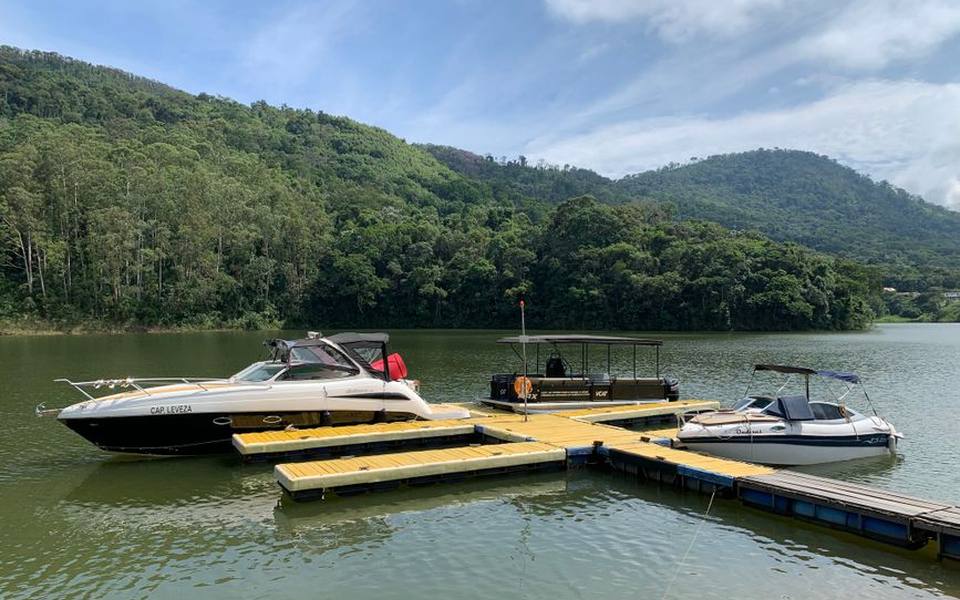
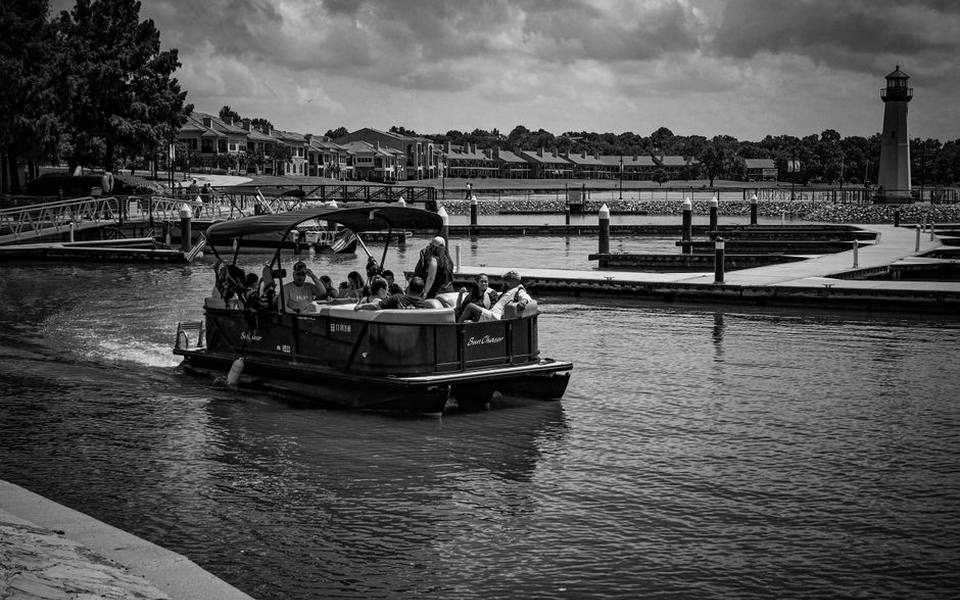
The primary draw of a pontoon rental is usable deck space and flat-floor stability. With wraparound perimeter seating, integrated bimini sunshades, and wide swim ladders, these craft easily accommodate multi-generational groups without feeling cramped. Beginners also appreciate their predictable handling at idle speeds, as long as strong crosswinds do not blow the vessel sideways against the dock during approach maneuvers.
If you are considering eventual ownership, testing different deck layouts and horsepower ratings through local rental fleets can clarify what your family actually needs. Many recreational boaters start by chartering pontoon and tritoon boats over several weekends to see how different tube diameters and engine sizes handle chop before committing to a permanent purchase.
Houseboat Charters for Extended Stays on the Water
Houseboating delivers an entirely different experience by combining your accommodations, kitchen, and transportation into a floating basecamp. Rather than returning to shore each evening, houseboaters cruise to designated anchorages, tie off against canyon walls or shoreline stakes, and spend several consecutive days immersed in natural surroundings. Popular river systems and vast multi-fingered reservoirs provide the ideal topography for these slow-speed floating cottages.
Standard houseboat platforms range from modest single-story crafts with basic bunks up to expansive multi-level vessels featuring full kitchens, air conditioning, rooftop hot tubs, and rear waterslides. Because these vessels carry substantial wind resistance and respond slowly to helm inputs, operators provide comprehensive checkout briefings covering steering delays, reverse thrusters, generator operation, and wastewater holding tank management.
Most houseboat providers require reservations months in advance, especially for holiday weeks. Daily running costs differ from day-boat charters because fuel consumption includes both propulsion engines and continuous generator run time to power domestic appliances. Fuel bills typically reflect actual gallons pumped upon return, making steady, conservative cruising the smartest way to manage the trip budget.
Navigating the Chicago River and Urban Lakefront
Renting a boat in Chicago offers a striking contrast between historic urban architecture and wide-open freshwater cruising. Vessel operations here split into two distinct environments: the calm, skyscraper-lined corridors of the downtown river system, and the vast expanse of southern Lake Michigan along the city shoreline. Each environment presents distinct operational challenges that demand close attention from the operator.
River navigation requires strict adherence to commercial right-of-way rules. You share narrow waterways with commercial water taxis, tour ships, and rowing sculls, meaning wakes must be kept minimal and passing signals strictly observed. Transitioning from the river out to the lakefront involves passing through the Chicago Harbor Lock, a controlled chamber that equalizes water levels between the river and Lake Michigan.
Once out on the open lake, panoramic views of the skyline open up, but conditions can change quickly. Even on sunny days, easterly winds across the open water can generate steep waves that challenge smaller bowriders. Operators should keep a watchful eye on marine forecasts and remain mindful that returning through the harbor lock on busy weekend afternoons can involve waiting alongside dozens of other recreational vessels.
Alpine Boating at Lake Tahoe and Big Bear Lake
High-altitude boating in mountain settings requires adjustments for both vessel performance and human physiology. Destinations like Lake Tahoe, straddling California and Nevada, and Big Bear Lake in the San Bernardino Mountains attract thousands of boaters seeking crystal-clear alpine waters. However, operating at elevations exceeding 6,000 feet noticeably impacts naturally aspirated marine engines, resulting in reduced horsepower output and slower acceleration compared to sea-level runs.
At Lake Tahoe, deep water keeps temperatures surprisingly cold throughout the summer, even when ambient air temperatures are warm. Cold water shock is a genuine risk if passengers fall overboard unexpectedly, making properly fitted life jackets essential for every passenger. Afternoon gusts known locally as the Washoe Zephyr can build sudden, short-period swells across wide bays, prompting rental marinas to recall rental fleets early when wind thresholds are crossed.
Further south at Big Bear Lake, the mountain reservoir offers a more sheltered basin suited for day-boat cruising and bass fishing, though shallow rock hazards and variable lake levels require cautious navigation. When planning excursions through California marine dealers or mountain liveries, reserving morning time slots typically yields the calmest surface conditions before thermal winds develop.
Handling Wakes and Coves at Lake of the Ozarks
The Lake of the Ozarks in central Missouri is legendary for its vibrant cove culture, winding shoreline, and intense summer boating activity. Boaters can explore hundreds of miles of coves, pull up to waterfront restaurants, and tie up alongside friends in designated party zones. However, navigating the main channel during peak summer weekends requires genuine confidence and defensive driving skills.
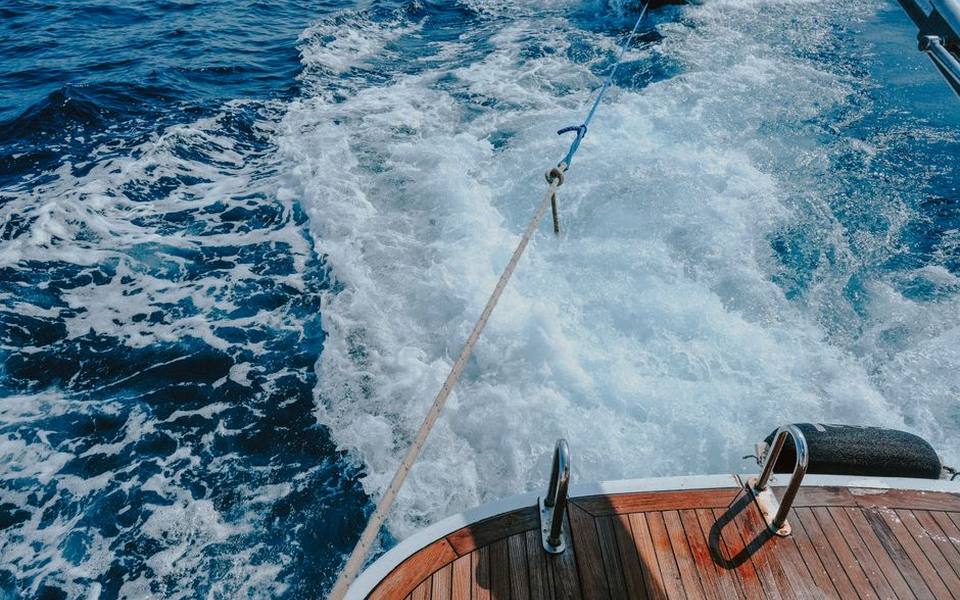
Due to heavy cruiser traffic and solid rock bluffs that reflect waves back into the channel, main-channel chop can resemble chaotic ocean conditions on summer afternoons. Smaller deck craft and lightweight pontoons can take a pounding if driven at speed across cross-wakes. Experienced boaters travel the main channel early in the morning and retreat to tranquil side coves before heavy mid-day cruiser traffic peaks.
Operators should maintain active lookout duties and keep trim tabs or engine tilt adjusted to cushion wake impacts. Knowing how to angle your bow at 45 degrees across large cruiser rollers prevents water from washing over the bow platform. Rental agencies in the region usually emphasize strict swim platform safety, as entering the water while engines idle is prohibited under state regulations.
Exploring the Expansive Waters of Lake Norman
Located just north of Charlotte, Lake Norman is the largest human-made body of freshwater in North Carolina, spanning over thirty miles of shoreline and tranquil tributary coves. The lake offers an ideal setting for watersports, pontoon cruising, and island hopping. Popular gathering spots like the sandbar islands attract hundreds of recreational boaters every weekend during late spring through autumn.
Renting here provides access to wide-open cruising lanes alongside secluded northern arms where boat traffic remains light. Operators should pay attention to submerged shoal markers, designated by warning buoys marked with orange diamonds. Summer rainfall patterns can cause minor water level shifts that bring clay bars closer to the surface, making visual depth scanning and GPS chartplotters helpful tools.
Many visitors who frequent North Carolina marinas use rentals on Lake Norman as an entry point to evaluate water sports equipment and family boats. Because waterfront restaurants feature dedicated guest slips, day trips often combine morning tubing with dockside dining, provided the boat driver refrains from consuming alcohol throughout the charter.
Coastal Cruising and Shallows in Destin and Crab Island
The Emerald Coast of the Florida Panhandle offers a distinctly different rental experience centered around tidal saltwater. Destin is celebrated for its clear turquoise waters, access to Choctawhatchee Bay, and the famous Crab Island sandbar. While Crab Island was once an actual landmass, it is now an underwater sandbar covered by shallow water ranging from waist-deep to ankle-deep depending on daily tide stages.
Renting a pontoon in this area allows families to anchor securely on the sandbar flats and swim in protected shallows. However, tidal currents flowing through East Pass between the bay and the Gulf of Mexico can run swiftly, especially during outgoing tides. Rental liveries explicitly forbid taking standard rental pontoons out into the open Gulf through the pass due to dangerous breaking surf and steep wave action.
Operating in coastal waters also means taking responsibility for marine wildlife protections and proper anchoring technique. Setting a fluke-style anchor securely into the sandy bottom requires allowing sufficient anchor rode so the anchor bites firmly without dragging toward other anchored vessels. Exploring Florida boating hubs requires heightened situational awareness regarding shifting tide tables and shallow seagrass zones.
Pricing Structures, Fuel Policies, and Security Deposits
Rental fees generally follow half-day (four hours) or full-day (eight hours) pricing schedules, with hourly options appearing primarily for personal watercraft or weekday rentals. Base rates fluctuate dramatically based on season, vessel size, and regional demand. A basic pontoon rental on a modest inland lake typically costs significantly less than a high-performance towboat or a center console offshore craft in a resort town.
When budgeting for your outing, the advertised rental fee rarely covers your entire expense. Most liveries charge a mandatory security deposit held on a credit card to cover potential propeller dings, fiberglass scrapes, or lost safety gear. In addition, fuel is usually billed separately: you either depart with a full tank and pay the marina pump price upon return, or pay an estimated hourly fuel surcharge added at checkout.
Carefully examine the cancellation and weather policies before reserving your date. Many operators do not offer cash refunds for sudden summer rain showers unless local authorities issue severe thunderstorm or small-craft advisories. Choosing weekday slots instead of weekend holidays often saves money while providing much calmer waterways with fewer competing boats at popular docks.
Essential Check-In Checklist and Driver Requirements
Before casting off lines, every rental operator must verify that the designated driver meets state-mandated qualifications. In most states, individuals born after a specific year must hold an approved boater education certificate or complete a temporary rental safety waiver on-site. Rental agencies generally establish a minimum driver age, typically between 21 and 25 years old, backed by a valid motor vehicle driver's license.
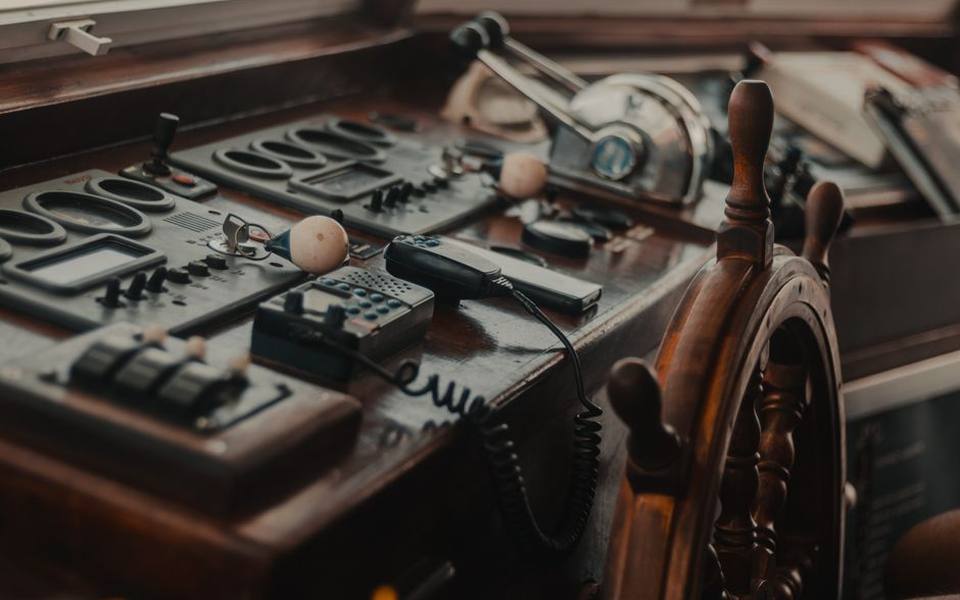
Take fifteen minutes at the slip to conduct a thorough pre-departure inspection alongside the dock attendant. Walk the perimeter to inspect the hull, pontoon tubes, rub rails, and propeller blades for pre-existing scratches or bends. Use your smartphone to capture high-resolution photos and video of any existing damage, including the skeg below the outboard lower unit, ensuring you are not charged later for past incidents.
Confirm that all mandatory safety gear is physically aboard and accessible. This includes one properly sized, Coast Guard-approved life jacket for each passenger aboard, a throwable flotation cushion, a functioning sound-producing device like a horn or whistle, day-and-night visual distress signals, and a charged fire extinguisher. Ensure the driver attaches the engine cut-off lanyard to their wrist or life jacket before starting the ignition.
Comparing Frequent Rentals Against Boat Ownership
For families who take to the water only two or three weekends per summer, renting is almost universally the more cost-effective choice. When you rent, you walk away at the end of the afternoon without needing to flush outboard cooling passages, tow a heavy trailer across town, or worry about seasonal winterization bills. The variable cost per trip feels substantial, but it avoids fixed annual carrying charges.
However, once a household finds itself booking rentals four or five times a season, the math begins to shift. At that frequency, annual charter costs can easily match the yearly finance payments and insurance premiums of owning a well-kept recreational vessel. Owning also offers freedom of schedule, allowing early sunrise departures or spontaneous evening cruises without being tied to commercial dock return hours.
If regular renting has ignited a serious passion for boating, transitioning to your own craft can be done gradually. Many experienced skippers recommend evaluating reliable pre-owned boats or researching new inventory to determine what monthly ownership figures look like compared to your seasonal charter budget.
Published 2026-09-20 · reviewed with each rebuild, last September 2026.
Find boat dealers near you
The directory lists 7,311 boat dealers by state and city — pick your state or use the “Near me” button in the header.
More guides
-
 Storage
Boat Storage and Slip Costs: Dry Storage, Mooring, and Marina Rates Guide
-
 Money
MoneyHow Much Does a Boat Engine Cost? Complete Marine Motor Pricing Guide
-
 Buying
How Much Does a Pontoon Boat Cost to Buy or Rent?
-
 Service
Cosmetic Maintenance, Surface Repairs, and Deck Restorations: A Practical Marine Guide
-
 Owning
Marine Electrical Systems, Critical Hardware, and Modern Repower Planning
-
 Service
Essential Boat Mechanical Repairs: Managing Cables, Pumps, and Routine Service
-
 Owning
Understanding Your Boat's Plumbing, Fuel Systems, and Ownership Costs
-
 Owning
How to Handle Boat Registration, Title Transfers, and USCG Documentation
-
 Owning
Complete Off-Season Preparation: Storage Steps, Costs, and Protective Canvas
-
 Safety
The Essential Boating Safety Equipment Checklist, Education Guide, and Ownership Budgeting
-
 Money
MoneyUnderstanding Marine Loans: Rates, Terms, and Approval
-
 Buying
Center Console vs. Bowrider Boats: Layouts, Costs, and Finding the Right Fit
-
 Safety
How to Tow a Boat Safely and Maintain Trailer Wheel Bearings
-
 Buying
What Is a Marine Survey and How Much Does It Cost?
-
Buying
Yacht Buying, Chartering, and Brokerage Guide
-
Owning
Boat Trailers, Launching, and Ramp Etiquette Guide
-
Buying
Complete Used Boat Buying Guide: Valuations, Inspection, and Bill of Sale
-
Buying
The Complete Pontoon and Tritoon Guide: Layouts, Brands, and Ownership
-
Buying
Jon Boats and Small Aluminum Fishing Boats: Complete Buyer and Build Guide
-
Buying
Bass Boats and Freshwater Fishing Boats Buyer's Guide
-
Buying
Outboard Motors Guide: Yamaha, Suzuki, Mercury Specs and Used Buying
-
Money
Navigating Boat Loans and Marine Financing: Rates, Loan Terms, and Monthly Payment Realities
-
Owning
Boat Clubs vs. Rentals and Charters: Which Waterway Option Fits You?
-
Service
The Complete Guide to Boat Maintenance, Winter Storage, and Mechanical Repairs
-
 Safety
Boating Safety Courses, Licenses, and Certification Guide
-
Buying
Catamarans Guide: Sailing, Power, Hobie, and Buying Options
-
Owning
Marine Batteries Buyer's Guide: Deep Cycle, Lithium, AGM, and Dual Purpose
-
Buying
Electric Trolling Motors: Complete Guide for Kayaks, Pontoons, and Fishing Boats
-
 Service
Boat Fuel Systems and Injector Care: Tanks, Filters, and Cleaning
-
 Buying
Center Console Boats: Types, Construction, and Buying Guide
-
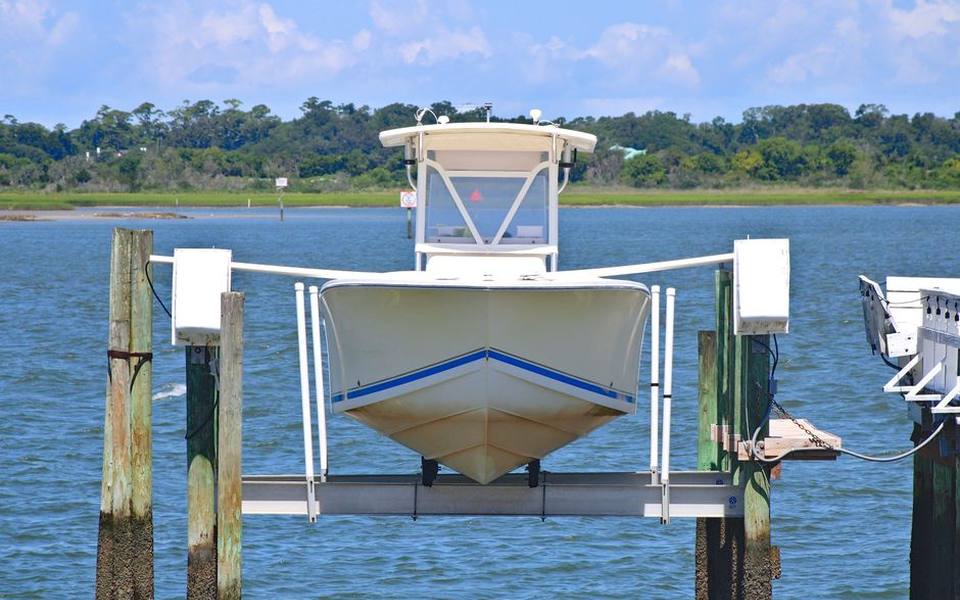 Owning
Boat Docks, Lifts, and Flotation Systems: Complete Waterfront Guide
-
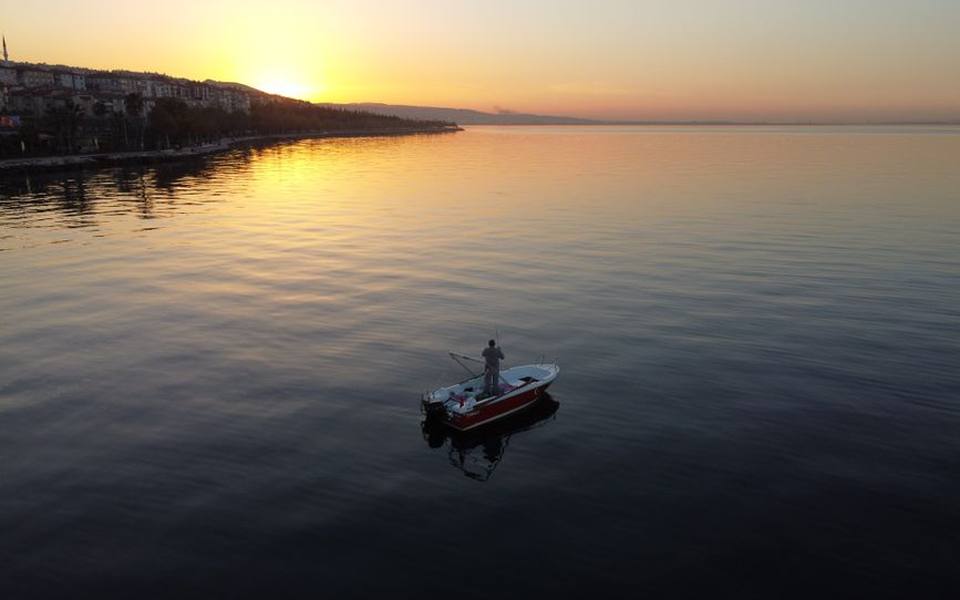 Buying
A Complete Guide to Fishing Boats, Sonar Electronics, and Rod Rigging Systems
-
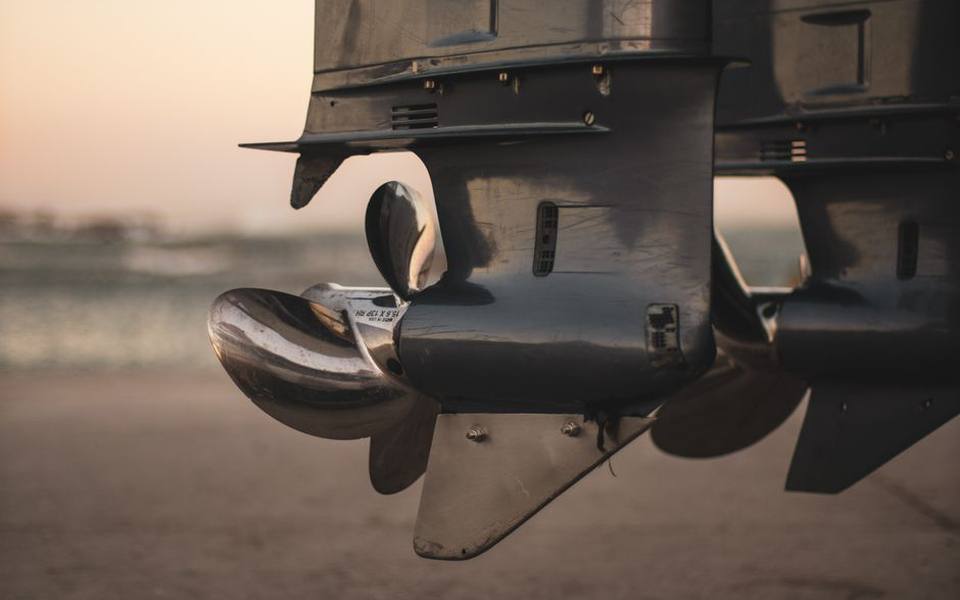 Owning
Outboard Motors, Jack Plates, and Marine Propellers: The Complete Rigging Guide
-
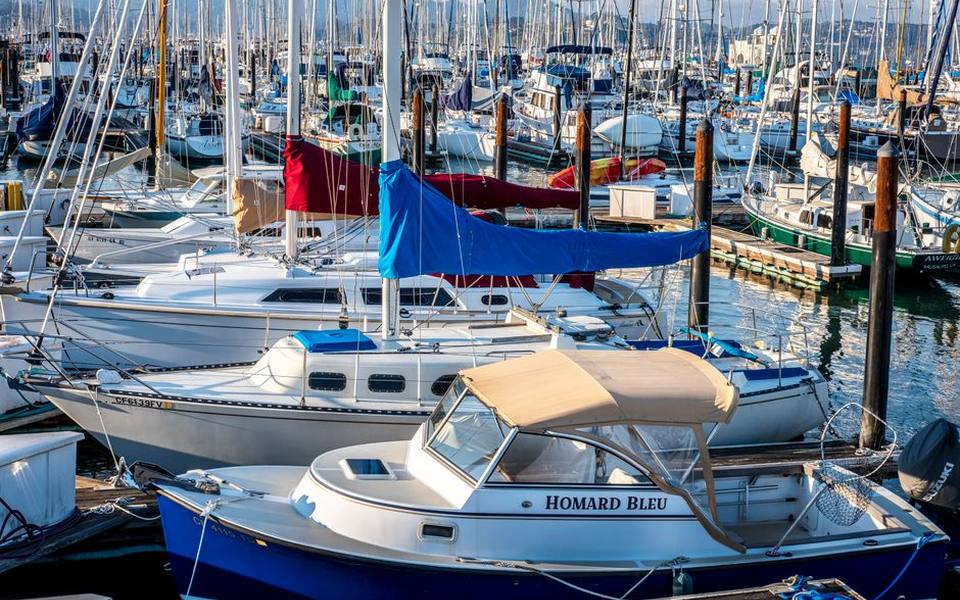 Buying
A Complete Guide to Boat Brands, Marine Brokers, and Finding the Right Dealer
-
 Money
MoneyBoat Insurance, Financing, and Title History Lookup: Complete Guide
-
 Buying
Small Boats, Kayaks, Canoes, and Inflatable Craft: Complete Buyer and Rigging Guide
-
 Owning
Marine Canvas, Bimini Tops, and Boat Covers: Selection and Care Guide
-
 Buying
Complete Guide to Boat Shows: Dates, Tickets, and Top US Events
-
 Owning
Boat Anatomy 101: Hull Parts, Steering Wheels, and Terminology