The Spectrum of Water Access: Clubs, Day Rentals, and Charters
Getting on the water no longer requires taking on a five-figure loan, paying monthly slip fees, or spending Saturdays replacing raw water impellers. The modern boating landscape offers several distinct tiers of access, ranging from one-time afternoon rentals and captained party charters to recurring memberships in shared fleets. Choosing the right path depends almost entirely on how often you plan to head out, your comfort level at the helm, and how much logistical responsibility you want to carry.
Boat hire services have diversified rapidly over the past decade. Traditional marina liveries that once only offered bare-bones aluminum fishing skiffs or sluggish pontoons now share the water with peer-to-peer digital networks, bespoke captained luxury charters, and high-end boat clubs with fleets stationed nationwide. Each model solves a specific logistical problem, but each also introduces its own set of trade-offs regarding cost, scheduling flexibility, and maritime liability.
Before swiping a credit card or signing a multi-month contract, an aspiring boater needs to look honestly at their seasonal habits. An individual who ventures out twice a summer during holiday weekends has drastically different requirements than a family wanting to fish every weekend from April through October. Navigating this ecosystem requires dissecting the mechanics of clubs, booking platforms, and charter operations side by side.
The Subscription Model: How Shared Fleets Operate
A subscription boat club operates on a simple premise: members pay an upfront initiation fee followed by ongoing monthly dues in exchange for access to a private, managed fleet of vessels. Well-known national organizations like the Freedom Boat Club and Carefree Boat Club networks have established outposts at popular marinas across the United States. Instead of maintaining a single hull, members can reserve center consoles for saltwater angling, bowriders for watersports, or deck boats for calm inland cruising.
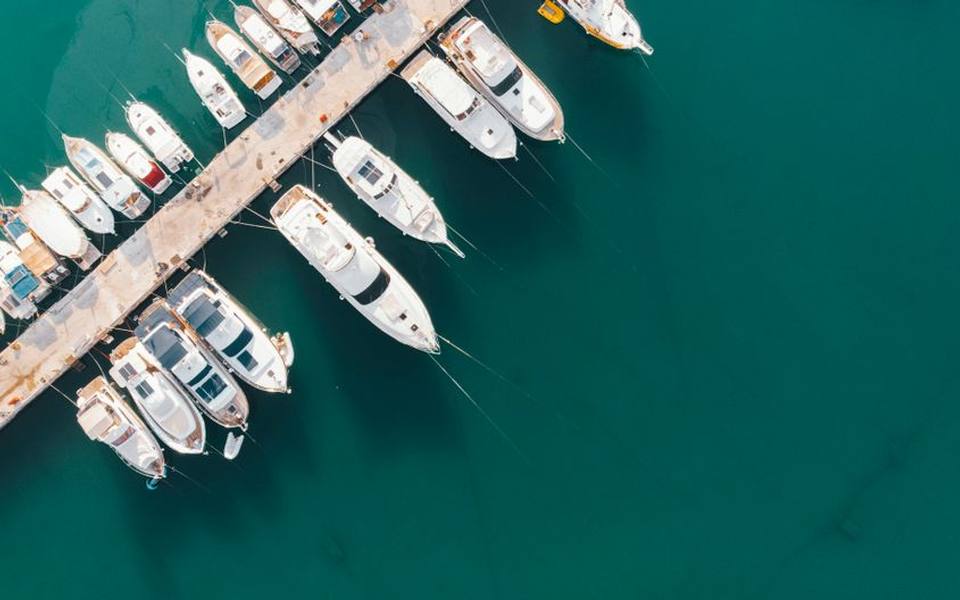
The primary appeal of the club structure is frictionless turn-key boating. When you arrive at the marina, the vessel is typically cleaned, fueled, inspected, and tied to the staging dock. When you return, a dock attendant ties off the lines, logs your engine hours, and handles the post-trip washdown, leaving the member responsible only for the replacement cost of the fuel consumed during the trip. Routine hull cleaning, winterizing, engine servicing, and dockage fees are bundled directly into the club's overhead.
However, joining a boat club is rarely casual. Initiation fees typically range in the thousands of dollars, and monthly dues continue year-round regardless of whether weather or personal obligations keep you off the water. Furthermore, access is governed by reservation rules. Most clubs use a rolling reservation system where members can hold a limited number of advance weekend bookings simultaneously, meaning spontaneous holiday outings can be difficult to secure unless planned weeks or months ahead.
Peer-to-Peer Booking Apps and Hourly Boat Hire
For boaters who prefer transactional outings without ongoing overhead, digital peer-to-peer marketplaces have fundamentally altered the rental landscape. Platforms such as Boatsetter and GetMyBoat connect private vessel owners and commercial liveries directly with prospective renters. This structure mirrors the home-sharing economy, allowing users to browse listings, filter by vessel style or horsepower, and book vessels by the hour or by the day without committing to ongoing dues.
These platforms excel at providing geographic flexibility. If you are vacationing away from home, you can easily browse local options—whether you want a wake-surf boat on an inland reservoir or a deck boat for an afternoon coastal cruise. Renters can choose between bareboat rentals, where the renter captains the vessel themselves after demonstrating basic competency, or captained bookings, where a licensed USCG master handles navigation, anchoring, and docking.
The trade-off with peer-to-peer boat hire services lies in quality variability and insurance complexity. While platform-arranged policies provide commercial watercraft liability during the booking, deductible amounts can be substantial. Vessel conditions also vary from pristine dealer-maintained craft to older privately owned boats showing cosmetic wear. Renters must conduct meticulous walk-through inspections, documenting every existing scratch, prop ding, or upholstery tear before pulling away from the dock.
Full-Service Charters and Captained Excursions
A private boat charter represents the highest tier of hands-off convenience. Unlike bareboat rentals, charter boating pairs the vessel with an experienced, certified professional responsible for vessel operation, maritime safety, localized navigation, and mechanical emergencies. Charters cover an expansive spectrum, from half-day nearshore family fishing trips to multi-day catamaran excursions through coastal barrier islands.
Hiring a captain fundamentally changes the social dynamic of a day on the water. Driving a boat in crowded or unfamiliar waters demands continuous vigilance regarding navigation markers, depths, crossing traffic, and changing weather patterns. On a charter, every guest can relax, swim, and socialize without the cognitive burden of holding anchor watch or reading a depth sounder. For anglers, charter captains provide specialized tackle, local knowledge of current honey holes, and live bait setup.
The cost per outing for full charters is naturally higher than self-captained alternatives because you are compensating both vessel depreciation and professional labor. Standard maritime etiquette also calls for tipping the captain and crew, which typically adds an extra gratuity percentage to the base fee. For infrequent boaters seeking memorable family milestones or high-stakes offshore adventures, the premium often proves well worth the eliminated liability and reduced stress.
Sandbar Gatherings, Pontoons, and Large Party Outings
In many coastal and lake communities, boating is centered around social gathering hubs rather than high-speed cruising or sportfishing. Destin, Florida is home to the famous Crab Island sandbar, where submerged sand flats draw hundreds of day-trippers. At destinations like this, pontoon boat rentals serve as floating living rooms. Prospective renters heading to tourist hubs often browse boat dealers in Florida when researching local waterway cultures or fleet standards before booking.
For larger family celebrations, bachelorette parties, and corporate team events, organized party boat hire services provide purpose-built crafts equipped with shaded tops, premium sound systems, oversized swim ladders, and expansive non-skid deck space. Many operators offer double-decker pontoons with integrated water slides. Choosing a dedicated pontoon boat rental provides superior stability, generous seating capacities, and shallow drafts that let you anchor cleanly in waist-deep water.
Operating near crowded sandbars introduces distinct challenges that make hiring a captain or booking an organized party vessel appealing. Navigating through congested anchorage zones requires precision throttle control to avoid swimmers, anchor rodes, and shallow shelves. Alcohol laws on the water are enforced strictly by marine patrol units, and the legal threshold for boating under the influence mirrors automotive DUI standards across virtually all jurisdictions.
Boutique Lake Outings and Retro Boat Cruising
Beyond standard speedboats and pontoons, a thriving niche of boutique waterway rentals has emerged on protected urban lakes and historic waterways. A notable example is the retro boat rentals popularized on Lady Bird Lake in Austin, Texas, where operators maintain lovingly restored, mid-century fiberglass runabouts retrofitted with whisper-quiet electric propulsion. Boaters exploring local offerings through boat dealers in Texas frequently discover how popular these low-speed, vintage vessels have become.
These boutique craft are intentionally engineered for calm, low-stress scenic cruising rather than heavy offshore chop or tow sports. Classic chrome accents, vintage fin tails, and pastel gelcoats provide an aesthetic backdrop for quiet dates and casual photography. Because most electric runabouts have top speeds capped at modest cruising velocities, they require minimal marine experience to handle safely along marked urban river channels.
When booking specialized or vintage watercraft, manage your expectations regarding range and speed. These vessels are built for relaxed harbor tours and protected lagoons, not for crossing open water reservoirs during heavy wind events. Weather policies tend to be strict with boutique liveries, as open cockpit runabouts without full canvas enclosures cannot safely operate through sudden convective squalls or steep lake chop.
The Math of Getting on the Water: Comparing True Costs
To evaluate which arrangement fits your financial picture, calculate your projected days on the water per calendar year. Subscription boat clubs require significant capital: initiation fees can range from several thousand dollars, accompanied by ongoing monthly payments regardless of seasonal freeze-outs. If a boater only uses a club vessel six times during the summer, each trip can realistically carry an effective cost comparable to a private captained charter.
Conversely, if you log twenty to thirty outings per year, membership clubs become remarkably economical compared to standalone daily rentals. A standard single-day rental through peer networks or traditional boat liveries can run anywhere from four hundred to well over twelve hundred dollars per outing once peer insurance, launch fees, fuel, and equipment rentals are added together. Three summer weekends on rental craft can easily approach the annual cost of a mid-tier club membership.
The comparison shifts once more when factoring in private vessel ownership. Owning involves monthly principal and interest, slip fees or trailer storage, scheduled 100-hour engine services, winterization, marine insurance, and inevitable unexpected repairs. Renting or utilizing a club effectively puts a firm ceiling on your annual marine expenditures, insulating you from catastrophic mechanical failures like blown lower units or failed electronic control modules.
Scheduling Reality: Booking Windows, Holidays, and Weather
The biggest hidden friction point with shared-access models is reservation availability. On holiday weekends such as Memorial Day, the Fourth of July, and Labor Day, boat club reservation portals often book solid within minutes of reservation slots opening. Members who fail to plan their mid-summer outings in the early spring frequently find themselves locked out of popular morning slots or left with smaller boats than their crew requires.
Peer-to-peer day rentals face a different operational risk: last-minute owner cancellations and adverse weather policies. When hiring through peer platforms, the individual boat owner typically dictates the weather cancellation threshold. If an afternoon features scattered rain or choppy winds that you find uncomfortable, the owner may still consider conditions technically navigable, resulting in forfeited deposits if you decide not to launch.
Flexibility often dictates whether a club or rental model succeeds for a family. Boaters who can take advantage of weekday afternoons, Friday sunset cruises, or early Sunday mornings will experience nearly frictionless vessel access in boat clubs. Conversely, boaters who can only operate on prime Saturday afternoons between noon and four o'clock will experience the highest levels of competition and availability constraints across every shared model.
Captaincy, Safety Certification, and Liability Boundaries
Before taking command of any rented or club vessel, operators must understand the legal obligations of the captain. Under maritime law, the person at the helm bears ultimate responsibility for the safety of all passengers, proper deployment of safety gear, compliance with navigation rules, and any wake damage inflicted on surrounding vessels or private docks. Ignorance of local navigation markers or channel depths is not a legal defense in marine collisions.
Most states require operators born after a specific cutoff date to complete a state-approved National Association of State Boating Law Administrators (NASBLA) boating safety course. Quality boat clubs mandate extensive on-water training sessions with a licensed instructor before granting members access to fleet booking portals. During this checkout, operators practice docking in tight wind conditions, anchoring protocols, and engine trim management.
When booking through peer-to-peer boat hire networks, carefully review the vessel's commercial insurance binder. Standard personal watercraft insurance policies strictly exclude commercial livery or peer-rental activities. Reliable platforms automatically provide secondary peer-rental coverage during active booking hours, but renters must confirm liability caps, personal injury protection limits, and the exact hull damage deductible they remain liable for if an underwater hazard strikes the running gear.
Knowing When It Is Time to Purchase Your Own Boat
Clubs, charters, and peer-to-peer hires provide an exceptional runway for building maritime confidence, determining your preferred boat styles, and experiencing your regional waterways. Yet for passionate mariners, there usually comes a tipping point where shared models begin to feel restrictive. The desire to customize navigation electronics, store personal fishing tackle on board, travel spontaneously at dawn, or embark on multi-day itineraries invariably leads back to sole ownership.
When shared access begins feeling like a bottleneck to your lifestyle, browsing inventory through verified boats for sale allows you to evaluate models tailored specifically to your family's needs. For those balancing budget and value, reputable used boat dealers offer turnkey pre-owned vessels that have completed thorough mechanical inspections, often accompanied by dealer-backed service histories and optional warranties.
Ownership also lets you establish stable infrastructure on your own terms. Rather than racing back to a club slip before your afternoon booking slot expires, you can secure dependable slip space or off-season dry storage through trusted facilities specializing in boat storage. Once boating shifts from an occasional hobby to a weekly lifestyle, the pride of ownership and complete operational freedom easily surpass the convenience of shared fleets.
Published 2026-09-20 · reviewed with each rebuild, last September 2026.
Find boat dealers near you
The directory lists 7,311 boat dealers by state and city — pick your state or use the “Near me” button in the header.
More guides
-
 Storage
Boat Storage and Slip Costs: Dry Storage, Mooring, and Marina Rates Guide
-
 Money
MoneyHow Much Does a Boat Engine Cost? Complete Marine Motor Pricing Guide
-
 Buying
How Much Does a Pontoon Boat Cost to Buy or Rent?
-
 Service
Cosmetic Maintenance, Surface Repairs, and Deck Restorations: A Practical Marine Guide
-
 Owning
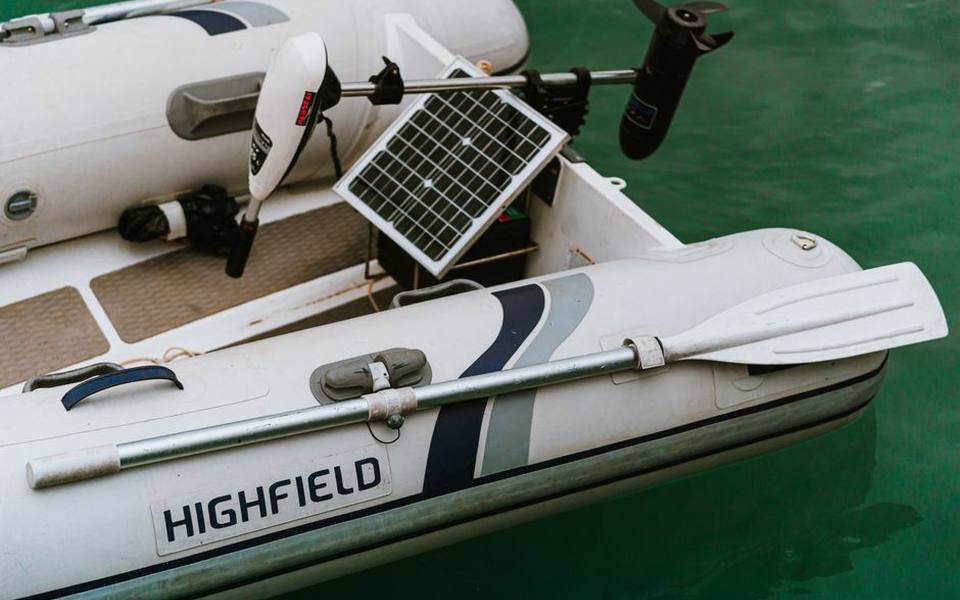
Marine Electrical Systems, Critical Hardware, and Modern Repower Planning
-
 Service
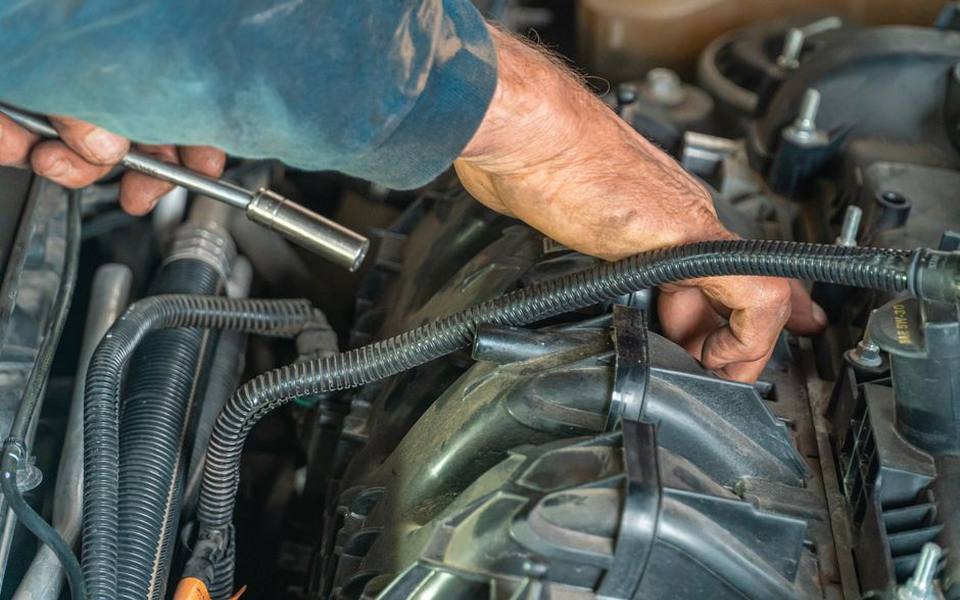
Essential Boat Mechanical Repairs: Managing Cables, Pumps, and Routine Service
-
 Owning
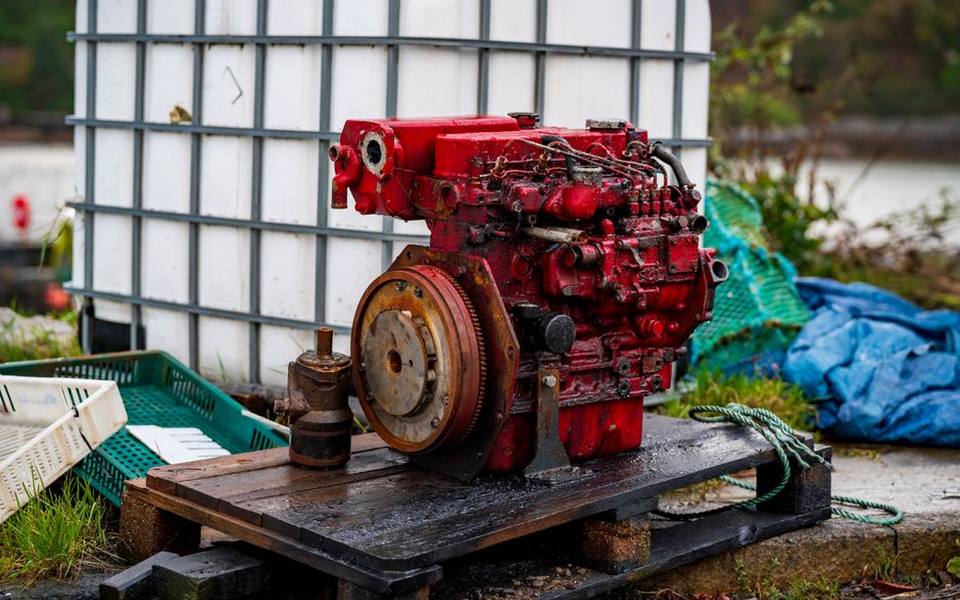
Understanding Your Boat's Plumbing, Fuel Systems, and Ownership Costs
-
 Owning
How to Handle Boat Registration, Title Transfers, and USCG Documentation
-
 Owning
Complete Off-Season Preparation: Storage Steps, Costs, and Protective Canvas
-
 Safety
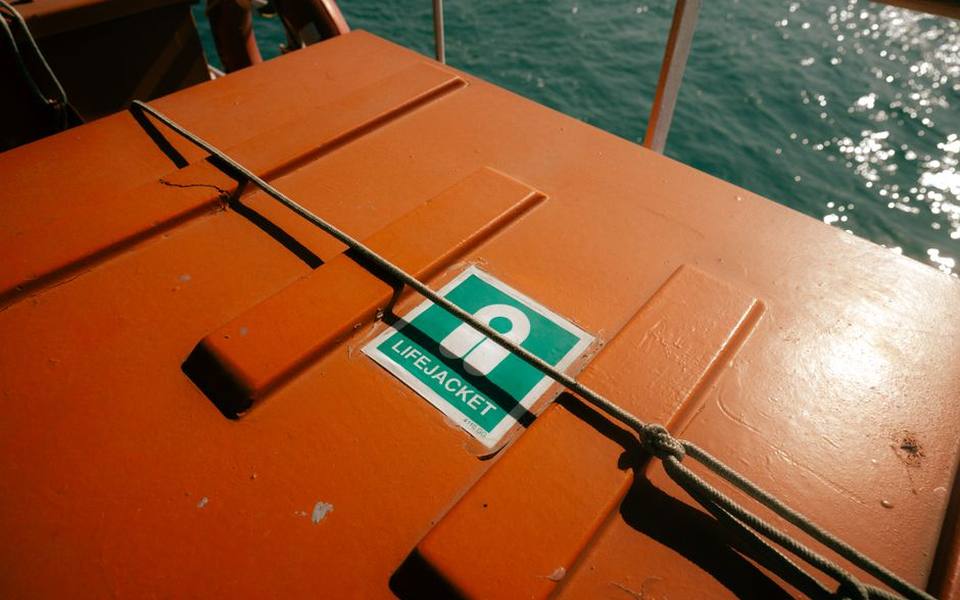
The Essential Boating Safety Equipment Checklist, Education Guide, and Ownership Budgeting
-
 Money
MoneyUnderstanding Marine Loans: Rates, Terms, and Approval
-
 Buying
Center Console vs. Bowrider Boats: Layouts, Costs, and Finding the Right Fit
-
 Safety
How to Tow a Boat Safely and Maintain Trailer Wheel Bearings
-
 Buying
What Is a Marine Survey and How Much Does It Cost?
-
Buying
Yacht Buying, Chartering, and Brokerage Guide
-
Owning
Boat Trailers, Launching, and Ramp Etiquette Guide
-
Buying
Complete Used Boat Buying Guide: Valuations, Inspection, and Bill of Sale
-
Buying
The Complete Pontoon and Tritoon Guide: Layouts, Brands, and Ownership
-
Buying
Jon Boats and Small Aluminum Fishing Boats: Complete Buyer and Build Guide
-
Buying
Bass Boats and Freshwater Fishing Boats Buyer's Guide
-
Buying
Outboard Motors Guide: Yamaha, Suzuki, Mercury Specs and Used Buying
-
Money
Navigating Boat Loans and Marine Financing: Rates, Loan Terms, and Monthly Payment Realities
-
Service
The Complete Guide to Boat Maintenance, Winter Storage, and Mechanical Repairs
-
 Safety
Boating Safety Courses, Licenses, and Certification Guide
-
Buying
Catamarans Guide: Sailing, Power, Hobie, and Buying Options
-
Owning
Marine Batteries Buyer's Guide: Deep Cycle, Lithium, AGM, and Dual Purpose
-
Buying
Electric Trolling Motors: Complete Guide for Kayaks, Pontoons, and Fishing Boats
-
 Owning
Complete Boat Rental Guide: Destinations, Types, and Rates
-
 Service
Boat Fuel Systems and Injector Care: Tanks, Filters, and Cleaning
-
 Buying
Center Console Boats: Types, Construction, and Buying Guide
-
 Owning
Boat Docks, Lifts, and Flotation Systems: Complete Waterfront Guide
-
 Buying
A Complete Guide to Fishing Boats, Sonar Electronics, and Rod Rigging Systems
-
 Owning
Outboard Motors, Jack Plates, and Marine Propellers: The Complete Rigging Guide
-
 Buying
A Complete Guide to Boat Brands, Marine Brokers, and Finding the Right Dealer
-
 Money
MoneyBoat Insurance, Financing, and Title History Lookup: Complete Guide
-
 Buying
Small Boats, Kayaks, Canoes, and Inflatable Craft: Complete Buyer and Rigging Guide
-
 Owning
Marine Canvas, Bimini Tops, and Boat Covers: Selection and Care Guide
-
 Buying
Complete Guide to Boat Shows: Dates, Tickets, and Top US Events
-
 Owning
Boat Anatomy 101: Hull Parts, Steering Wheels, and Terminology