Navigating the Pre-Owned Boat Market and Online Listings
Finding a dependable pre-owned vessel requires looking past glossy listing photos to understand what a boat has endured throughout its operating life. Buyers typically begin their journey browsing digital classifieds and aggregator portals, which present thousands of private and commercial listings across the country. While broad digital marketplaces make it simple to compare asking prices across distant regions, online listings frequently omit critical details about mechanical wear, structural moisture, and title status.
Private party listings often appeal to bargain hunters looking to negotiate directly with an owner, but they carry distinct risks that dealer transactions minimize. A private seller rarely offers mechanical guarantees, recourse for undiscovered defects, or assistance with complex state title transfers. Exploring vetted used boat dealers allows you to inspect turn-key inventory that has undergone intake evaluations, lien checks, and professional prep work.
Before scheduling viewings, narrow your focus to specific hull styles and propulsion types that match your local waterways and storage constraints. Casting too wide a net often leads to analysis paralysis, as a shallow-draft bay boat requires vastly different maintenance and trailering logistics than a deep-V offshore runabout or family bowrider. Reviewing active dealer lots alongside broad listings helps establish a realistic baseline for what your target craft actually commands in current market conditions.
How Marine Pricing Guides Determine Used Boat Values
Determining whether a seller's asking price aligns with objective market realities requires consulting dedicated marine valuation guides rather than guessing based on nearby listings. The recreational boating industry relies on standardized valuation platforms—most notably the historic National Automobile Dealers Association guides, which now operate under the J.D. Power valuation umbrella. These guides track auction transactions, dealer intake figures, and retail submissions to compile estimated values for hulls, outboards, and trailers.
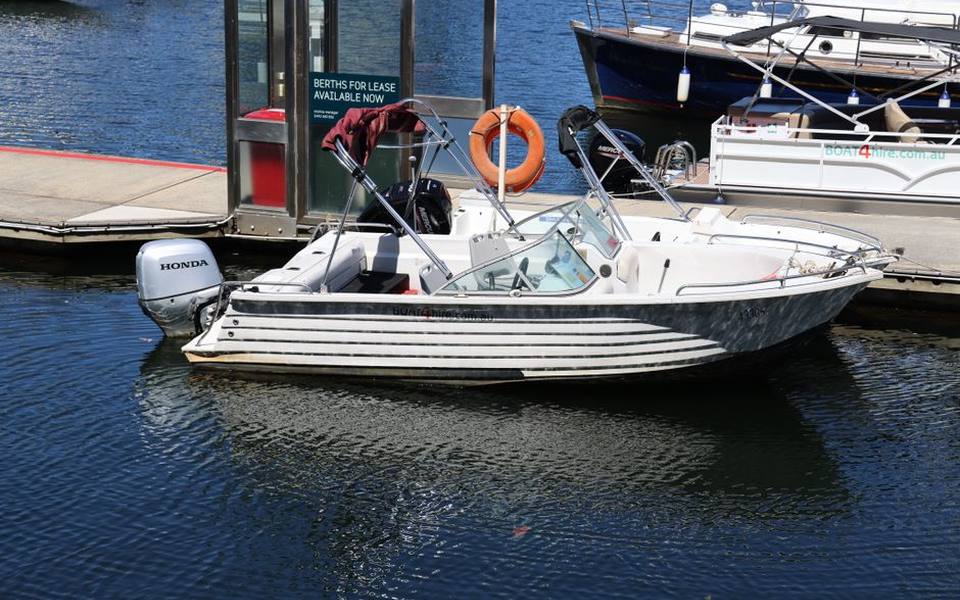
Marine pricing guides typically present two primary retail figures: Low Retail and Average Retail. A low retail valuation reflects a craft that shows noticeable cosmetic wear, older upholstery, or higher-than-normal engine hours, yet remains mechanically sound and seaworthy. Average retail assumes the vessel is in clean condition, shows evidence of regular preventive maintenance, exhibits minimal gelcoat fading, and needs no immediate repair to hit the water safely.
One common trap when reviewing these valuation sheets is artificially inflating the bottom line by checking off every optional accessory listed on the form. Standard marine guides often assume standard factory equipment is already baked into the baseline hull price. Adding line-item value for standard cleats, basic bimini tops, or entry-level stereos creates an artificially high estimate that banks and marine surveyors will quickly discount during formal underwriting.
Demystifying Blue Book Valuations in the Boating World
Automotive buyers instinctively look for Kelley Blue Book values when purchasing a used vehicle, leading many aspiring boaters to search for equivalent marine resources. However, Kelley Blue Book does not publish valuation books or pricing algorithms for recreational powerboats, sailboats, or marine outboards. While the brand remains a household name across passenger cars and certain powersports vehicles like personal watercraft, traditional powerboats fall entirely outside its appraisal databases.
When prospective buyers speak about a blue book price for a vessel, they are almost universally referring to marine trade guides published by J.D. Power, formerly known as NADA Guides, or proprietary valuation matrices like BUC Marine. Marine lenders, licensed brokers, and maritime insurance carriers depend on these specific marine databases to underwrite loans and approve agreed-value policies. Relying on unofficial third-party calculators that claim to offer car-style blue book figures can leave you with skewed estimates that lenders simply will not honor.
Understanding which appraisal model your financial institution relies on prevents disappointing surprises during the loan application stage. When you browse boats for sale across different regions, remember that a lender will calculate maximum loan-to-value ratios strictly against recognized marine appraisal guides. If a seller insists their craft matches an imagined car-style blue book metric, gently ground the negotiation in recognized marine publications.
Real-World Market Factors That Outweigh Book Values
While appraisal guides provide an indispensable starting point, physical condition and operating history invariably dictate whether a boat is worth more or less than its printed value. Two identical vessels built in the same model year can diverge in actual value by tens of thousands of dollars based on operating environments. A hull operated exclusively in clean, inland freshwater lakes will generally command a noticeable premium over a vessel run in harsh coastal saltwater, where galvanic corrosion and brine take an aggressive toll on mechanical components.
Engine hours represent another primary valuation variable, though context matters just as much as the raw meter reading. Marine engines that accumulate roughly thirty to fifty hours per season typically indicate healthy, regular operation that prevents internal seals from drying out. Conversely, an engine with unusually low hours that sat unpickled in a humid driveway for five consecutive years often presents far higher mechanical risks than a well-maintained motor with moderate, consistent hours.
Aftermarket electronics, customized wake towers, and bespoke marine decking rarely produce a one-to-one return on investment when selling. Sellers often attempt to recoup the full retail cost of advanced chartplotters, high-end stereos, and lithium trolling battery systems by tacking those figures directly onto their asking price. In practical transactions, lenders and smart buyers treat custom electronics as rapid-depreciating perks rather than fundamental value drivers.
Conducting a Thorough Structural and Hull Inspection
A boat can run reliably while hiding catastrophic structural rot beneath fresh paint and spotless upholstery, making physical hull inspection your top priority. Begin your walkaround by closely examining the transom, which absorbs tremendous torsional stress from outboard or sterndrive propulsion. Using a small composite mallet or screwdriver handle, gently tap the transom fiberglass in a grid pattern; a crisp, resonant sound indicates solid fiberglass, whereas a dull, hollow thud warns of saturated core wood or delamination.
Inside the cockpit, walk every square inch of the sole, paying particular attention to the areas surrounding floor pedestals, hatch hinges, and ski lockers. Any spongy sensation or visible flex underfoot signals that moisture has penetrated the deck core, often through unsealed screw holes. Inspect the structural stringers running along the interior bilge where accessible; rotted stringers compromise the hull's longitudinal rigidity and frequently cost more to replace than the total market value of an older vessel.
Examine the exterior gelcoat along the keel and chines for spider cracking, deep stress crazing, and osmotic blistering. Cosmetic scratches in the surface resin can be polished out, but parallel stress fractures radiating from internal bulkheads suggest severe structural impact or heavy pounding in rough seas. If the boat has been stored in wet slips for prolonged periods, look carefully for hull blisters below the waterline, which indicate water migration into the fiberglass laminate.
Evaluating Marine Engines and Powertrain Reliability
Repairing a compromised marine engine can quickly match or exceed the purchase price of an older vessel, making mechanical due diligence non-negotiable. Begin under the cowling or inside the engine bay by checking fluid conditions before turning the ignition key. Engine oil should appear clean and amber or moderately dark; a milky, frothy texture indicates water contamination from a cracked block, blown head gasket, or failing manifold. Similarly, inspect the lower unit gear lubricant for metal shavings or water intrusion.
A cylinder compression test provides the clearest window into an engine's internal health without complete teardown. Pulling the spark plugs and testing each cylinder should reveal pressures that meet factory specifications, with no more than a ten percent variance between the highest and lowest readings. Significant pressure drops in adjacent cylinders usually indicate head gasket failure or worn piston rings that necessitate an immediate, costly overhaul.
Check all rubber components, including cooling water impellers, exhaust bellows, fuel lines, and drive belts, for signs of dry rot and cracking. If the seller lacks documented proof of routine service, factor the cost of immediate impeller and fluid replacements into your acquisition budget. When evaluating technical issues or obsolete components, consulting a dealer with a dedicated boat parts inventory can help you establish realistic replacement costs before making an offer.
The Critical Steps of a Practical Water Sea Trial
Never purchase a pre-owned vessel solely based on a static parking-lot inspection or a brief engine turnover using garden hose muff muffs. An engine running without a load in a driveway behaves entirely differently than when pushing thousands of pounds against hull resistance on open water. Insist on a cold-start demonstration at the boat ramp; touch the engine manifold or outboard cylinder head prior to starting to ensure the seller has not warmed up the motor beforehand to mask cold-starting hesitations.
Once underway, monitor operating temperature and oil pressure gauges as the engine reaches normal cruising rpm. The vessel should track straight, plane without excessive bow rise or throttle hesitation, and hold a steady operating temperature within manufacturer thresholds. Run the boat at wide-open throttle for several minutes while watching the temperature gauge carefully, as a failing cooling passage or deteriorating impeller will rapidly reveal itself under maximum thermal load.
Test every system on board while the engine is running and alternating between idle and cruise. Cycle through trim tabs, hydraulic steering locks, livewell pumps, bilge blowers, anchor windlasses, and navigation lights. Mechanical vibration, heavy steering feedback, or unusual noises from the gimbal bearing on sterndrive setups are best identified while navigating light chop rather than sitting quietly alongside a floating dock.
Financing, Surveys, and Professional Mechanical Verification
Securing a marine loan involves different verification standards than securing standard automotive credit, particularly regarding older vessels. Most regional and national marine lenders require a formal Marine Survey conducted by an accredited surveyor for boats over a certain length or monetary threshold, often around ten to fifteen years of age. This independent evaluation protects both you and the lending institution by detailing structural integrity, safety compliance, and an accurate fair market appraisal.
Choosing between an accredited marine surveyor and a certified marine mechanic depends largely on the complexity of the vessel. A surveyor assesses hull soundness, electrical safety standards, fuel delivery lines, and structural compliance with federal standards. For high-horsepower outboards or complex twin-engine installations, you may also want to hire a dedicated technician from a certified boat service facility to perform computer diagnostic downloads, run leak-down tests, and scan engine computers for stored fault codes.
Financing terms for pre-owned craft typically vary based on the age of the boat and the size of your down payment. Working with established dealers offering marine financing can streamline this underwriting process significantly. Dealer finance departments maintain established relationships with specialized marine lenders who understand seasonal depreciation curves and accept recognized valuation guide figures without unnecessary administrative delays.
Drafting an Airtight Marine Bill of Sale
A comprehensive bill of sale serves as your primary legal defense against ownership disputes, undisclosed liens, and tax discrepancies during state registration. A simple handshake or a generic single-line receipt leaves both buyer and seller exposed to civil liability once money changes hands. Your formal sales agreement must clearly state the full legal names, physical residential addresses, and contact numbers of both parties involved in the transaction.
Precision in recording identification numbers is critical when documenting maritime assets. Every pleasure craft manufactured after 1972 possesses a twelve-character Hull Identification Number permanently affixed to the starboard transom. Your document must accurately record this exact hull number alongside the make, model, year, hull material, and overall length. If the sale includes an outboard motor, the motor's serial number, horsepower, and manufacture year should appear as a separate line item.
Never overlook the boat trailer, which constitutes a distinct road vehicle requiring its own vehicle identification number, title assignment, and registration paperwork. In most states, trailers are titled and taxed independently from the vessel itself, meaning a combined single-sum bill of sale can complicate title processing at the state licensing office. Clearly delineate the financial allocation between the boat hull, the outboard motor, and the trailer to simplify state sales tax calculations.
Include explicit language regarding warranty status to avoid future misunderstandings regarding post-sale mechanical breakdowns. Private transactions almost universally operate on an 'as-is, where-is' basis, meaning the buyer assumes full responsibility for any defect discovered after payment. Incorporating clear clauses stating that the craft is sold without warranties, alongside confirmation that the title is free and clear of all financial encumbrances, protects both parties once ownership transfers.
Navigating Title Transfer, State Taxes, and Registration
Closing the deal requires methodically navigating your state's maritime titling agency or department of natural resources. Before handing over final payment in certified funds, verify that the seller's name matches the certificate of title precisely and that no outstanding lienholder appears on the document face. If a bank lien exists, arrange the transaction directly at the lending institution so the title lien release can be executed concurrently with payoff.
State registration procedures vary widely across jurisdictions, with some states issuing distinct titles for both the boat and the outboard engine, while others only title the hull and register the trailer through the motor vehicle division. In most states, you are required to submit the signed title, a signed bill of sale, and proof of paid sales tax within a statutory window, typically fifteen to thirty days from purchase. Operating an unregistered vessel past temporary permit allowances risks citations from state wildlife officers.
Sales tax regulations on private versus dealer boat purchases also differ depending on your home state. Some states exempt private party sales from local sales taxes, while others collect full vehicle taxes based on either the bill of sale amount or the state agency's internal valuation guide, whichever is higher. Researching your local department of revenue guidelines beforehand ensures you budget accurately for title processing fees, registration decals, and applicable excise taxes.
Published 2026-09-20 · reviewed with each rebuild, last September 2026.
Find boat dealers near you
The directory lists 7,311 boat dealers by state and city — pick your state or use the “Near me” button in the header.
More guides
-
 Storage
Boat Storage and Slip Costs: Dry Storage, Mooring, and Marina Rates Guide
-
 Money
MoneyHow Much Does a Boat Engine Cost? Complete Marine Motor Pricing Guide
-
 Buying
How Much Does a Pontoon Boat Cost to Buy or Rent?
-
 Service
Cosmetic Maintenance, Surface Repairs, and Deck Restorations: A Practical Marine Guide
-
 Owning
Marine Electrical Systems, Critical Hardware, and Modern Repower Planning
-
 Service
Essential Boat Mechanical Repairs: Managing Cables, Pumps, and Routine Service
-
 Owning
Understanding Your Boat's Plumbing, Fuel Systems, and Ownership Costs
-
 Owning
How to Handle Boat Registration, Title Transfers, and USCG Documentation
-
 Owning
Complete Off-Season Preparation: Storage Steps, Costs, and Protective Canvas
-
 Safety
The Essential Boating Safety Equipment Checklist, Education Guide, and Ownership Budgeting
-
 Money
MoneyUnderstanding Marine Loans: Rates, Terms, and Approval
-
 Buying
Center Console vs. Bowrider Boats: Layouts, Costs, and Finding the Right Fit
-
 Safety
How to Tow a Boat Safely and Maintain Trailer Wheel Bearings
-
 Buying
What Is a Marine Survey and How Much Does It Cost?
-
Buying
Yacht Buying, Chartering, and Brokerage Guide
-
Owning
Boat Trailers, Launching, and Ramp Etiquette Guide
-
Buying
The Complete Pontoon and Tritoon Guide: Layouts, Brands, and Ownership
-
Buying
Jon Boats and Small Aluminum Fishing Boats: Complete Buyer and Build Guide
-
Buying
Bass Boats and Freshwater Fishing Boats Buyer's Guide
-
Buying
Outboard Motors Guide: Yamaha, Suzuki, Mercury Specs and Used Buying
-
Money
Navigating Boat Loans and Marine Financing: Rates, Loan Terms, and Monthly Payment Realities
-
Owning
Boat Clubs vs. Rentals and Charters: Which Waterway Option Fits You?
-
Service
The Complete Guide to Boat Maintenance, Winter Storage, and Mechanical Repairs
-
 Safety
Boating Safety Courses, Licenses, and Certification Guide
-
Buying
Catamarans Guide: Sailing, Power, Hobie, and Buying Options
-
Owning
Marine Batteries Buyer's Guide: Deep Cycle, Lithium, AGM, and Dual Purpose
-
Buying
Electric Trolling Motors: Complete Guide for Kayaks, Pontoons, and Fishing Boats
-
 Owning
Complete Boat Rental Guide: Destinations, Types, and Rates
-
 Service
Boat Fuel Systems and Injector Care: Tanks, Filters, and Cleaning
-
 Buying
Center Console Boats: Types, Construction, and Buying Guide
-
 Owning
Boat Docks, Lifts, and Flotation Systems: Complete Waterfront Guide
-
 Buying
A Complete Guide to Fishing Boats, Sonar Electronics, and Rod Rigging Systems
-
 Owning
Outboard Motors, Jack Plates, and Marine Propellers: The Complete Rigging Guide
-
 Buying
A Complete Guide to Boat Brands, Marine Brokers, and Finding the Right Dealer
-
 Money
MoneyBoat Insurance, Financing, and Title History Lookup: Complete Guide
-
 Buying
Small Boats, Kayaks, Canoes, and Inflatable Craft: Complete Buyer and Rigging Guide
-
 Owning
Marine Canvas, Bimini Tops, and Boat Covers: Selection and Care Guide
-
 Buying
Complete Guide to Boat Shows: Dates, Tickets, and Top US Events
-
 Owning
Boat Anatomy 101: Hull Parts, Steering Wheels, and Terminology